If you're managing a Florida facility right now, you probably know the pattern. One month the utility bill looks manageable. The next month it jumps, not because your operations changed much, but because weather, cooling load, rate structure, and peak usage all hit at once. That kind of volatility makes budgeting harder than it should be.
For many Florida businesses, commercial solar power systems aren't mainly about optics. They're about control. A well-planned system can turn part of your energy spend into a capital asset, reduce exposure to utility price swings, and in the right cases support backup power for critical operations. The key is planning it correctly before you ask anyone to install anything.
Moving Beyond Volatile Energy Costs
Commercial solar is no longer a fringe option for a few early adopters. The commercial and industrial solar PV market reached USD 63.2 billion in 2024 and is projected to reach about USD 164.1 billion by 2034, reflecting roughly 10.1% CAGR over that period, according to commercial and industrial solar PV market research from GM Insights. That matters because it shows businesses are treating onsite generation as a mainstream capital decision.
In Florida, that shift is easy to understand. Energy costs are a line item you feel every month. Cooling loads are heavy, occupancy patterns can stretch demand across long operating hours, and many properties run equipment that doesn't tolerate outages well. When power prices are unpredictable, your budget becomes reactive.
Solar Changes The Conversation
The mistake I see most often is treating solar like a purchase of equipment only. A facility manager gets a proposal full of panels, inverters, and projected savings, but no real discussion of tariff structure, building condition, or operational priorities. That's backwards.
A commercial solar project should start with three business questions:
- Cost control: Can onsite generation reduce purchased electricity during the hours your rate structure hurts most?
- Capital efficiency: Does the project fit your tax position, cash flow, and ownership horizon?
- Operational continuity: Do you need simple bill reduction, or do you also need resilience during outages?
Practical rule: If a proposal starts with panel count instead of your load profile, it usually starts too late in the process.
Florida businesses that approach solar strategically usually make better decisions on scope and timing. Some move forward with rooftop PV only. Some pair solar with storage. Some discover the roof or service equipment needs work first. All three outcomes can be smart if they come from real diligence.
What A Sensible Evaluation Looks Like
A useful commercial solar review in Florida usually includes:
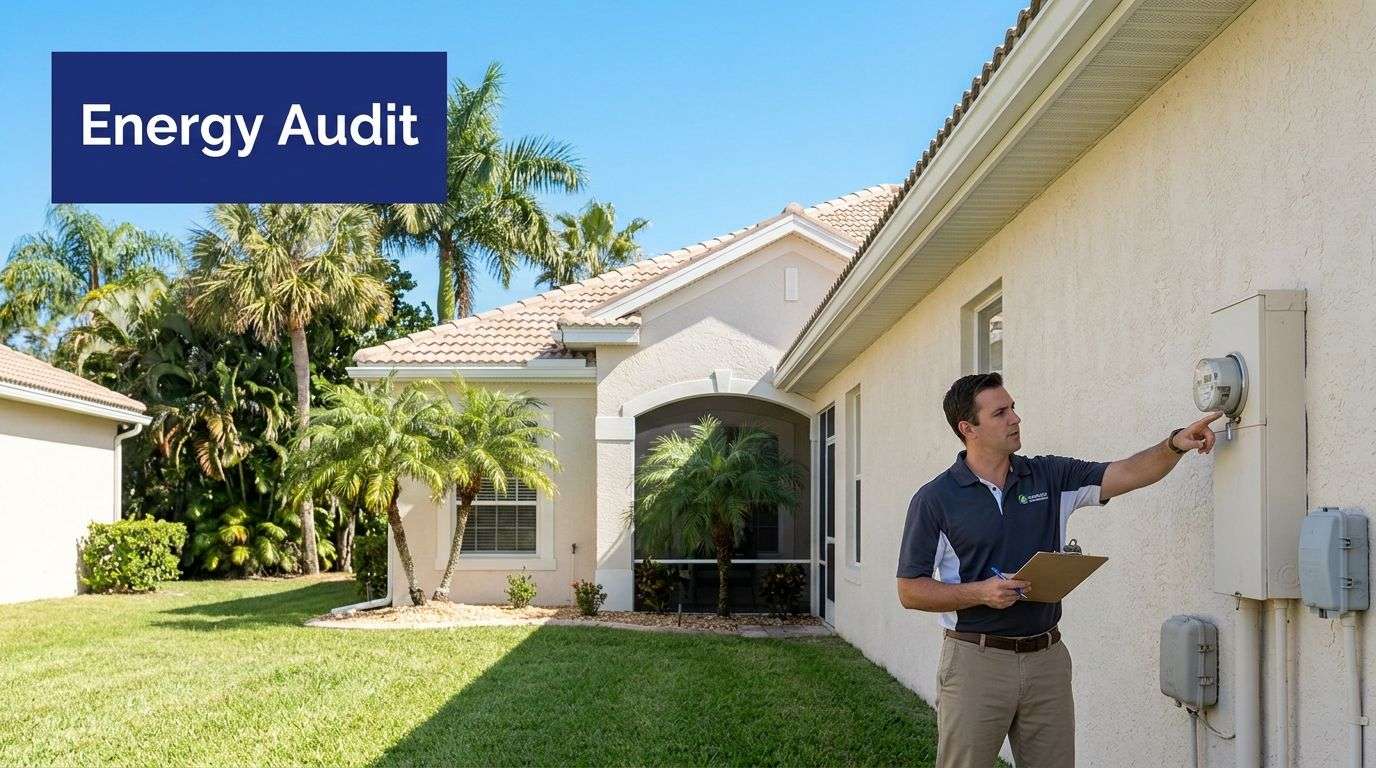
- Utility bill analysis: Look at when energy is used, not just how much is used.
- Site review: Roof age, structural capacity, shading, electrical room conditions, and space for equipment all matter.
- Procurement strategy: Decide whether you're evaluating ownership, third-party structures, or a phased approach.
- Risk screening: Interconnection, roof replacement timing, and critical-load requirements often drive the project more than panel efficiency does.
That is why the strongest solar projects don't start with sales pressure. They start with a sober look at whether the building, financial model, and operating needs support the investment.
Anatomy Of A Commercial Solar Power System
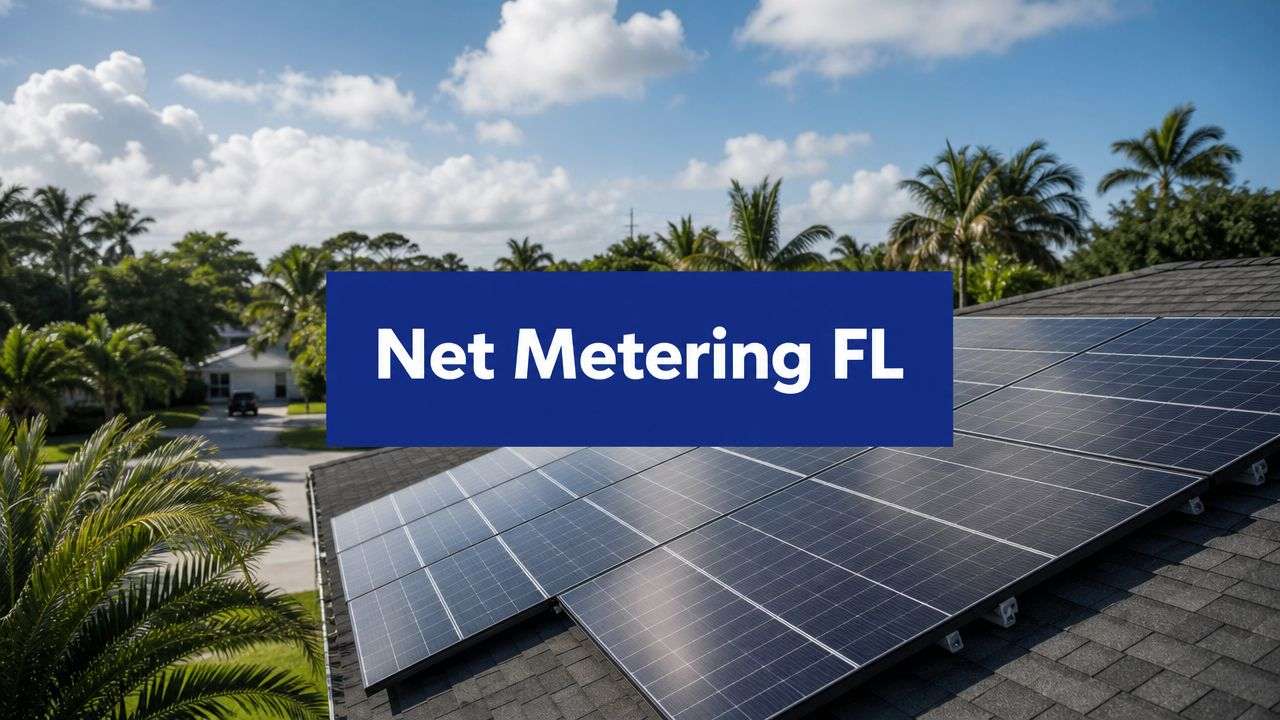
At a high level, a commercial solar power system is your building's private electricity supply chain. Sunlight comes in, equipment converts it into usable power, controls route it where it needs to go, and the utility grid stays connected as a partner or fallback.
This visual gives a simple overview of the core pieces involved.

The Core Components
A typical Florida commercial system includes these working parts:
- PV modules: These are the panels that convert sunlight into direct current electricity.
- Inverters: They convert DC power into AC power your building can use and the grid can accept.
- Mounting system: This is the structural layer that secures panels to a roof, canopy, or ground-mounted frame.
- Monitoring platform: This lets operators track production, fault alerts, and system health.
- Electrical interconnection equipment: This ties the solar system into the facility distribution system and utility service.
- Battery storage, when needed: Storage isn't mandatory, but for some Florida sites it adds load shifting and backup capability.
The interaction between those components matters more than any one component by itself. Good systems don't just produce electricity. They produce it in a way that fits the building's operating pattern and electrical infrastructure.
Why Commercial Equipment Decisions Matter
Commercial systems differ from residential systems mainly in scale, operating conditions, and coordination. In Florida, roofs often face high heat, wind exposure, salt air in coastal environments, and strict structural considerations. Equipment selection has to account for those realities.
Mounting and roofing details deserve special attention. The wrong attachment strategy can create long-term headaches even if the electrical design is solid. If you're comparing roof interface options in another climate, this overview of Colorado solar roof solutions is a useful reminder that roof type and mounting method always shape system design, even though Florida wind and weather conditions require their own local analysis.
A panel is only part of the asset. The roof, attachment method, waterproofing details, and electrical tie-in often determine whether the project stays low-risk over time.
How The Pieces Work Together On A Florida Site
Commercial solar is usually designed around the site's load profile and available area rather than a fixed system size, as explained in Coldwell Solar's overview of commercial solar PV systems. Rooftops, parking canopies, and adjacent land can all work, but feasibility depends on sunlight exposure, utility tariffs, and whether storage helps shift production into later hours.
For facility teams that want a stronger grounding in panel and system choices before procurement, this guide to solar panel technology helps clarify how module and equipment decisions affect project design without turning the discussion into a product pitch.
The takeaway is simple. A commercial system isn't one product. It's a coordinated set of structural, electrical, and software components that have to fit the building as well as the budget.
Right-Sizing Your System For Peak Performance
A lot of owners still assume sizing is simple. If the roof is large, install as many panels as possible. If the parking lot is open, add canopies. That approach sounds efficient, but it's often where commercial projects start drifting away from business reality.
The best-performing systems aren't always the biggest systems. They're the systems that match how the facility consumes power.
Roof Space Does Not Equal System Value
The highest-value solar designs are the ones that match generation to a facility's consumption pattern, and for many properties the limiting factor isn't solar production but site readiness, including older roofs, transformer limits, or interconnection delays, as noted in Paradise Energy's discussion of commercial solar installation types.
That point lands hard in Florida. A warehouse may have plenty of roof area but weak roof remaining life. A medical office may have good solar exposure but limited electrical capacity. A retail center may have decent daytime load but a tenant mix that complicates meter arrangements and savings allocation. In all three cases, panel count is not the first question.
What A Proper Sizing Review Looks At
A practical sizing exercise for commercial solar power systems usually examines these factors together:
- Load shape: When does the building use power during the day, and how much of that usage aligns with solar production?
- Demand exposure: If the utility tariff penalizes peak demand, does the design reduce that peak meaningfully?
- Physical area: Roof, canopy, or ground space must be usable, not just available on paper.
- Electrical constraints: Main service equipment, transformer capacity, and distribution layout can limit project scope.
- Future plans: If you expect tenant turnover, added HVAC, process loads, or EV charging, today's design should leave room for tomorrow.
A system that offsets expensive daytime usage can outperform a larger system that exports power inefficiently or triggers avoidable upgrade costs. That's why a measured design process usually beats a max-out-the-roof approach.
Mid-Sized Florida Buildings Need Extra Care
The most overlooked projects in Florida are often mid-sized commercial sites. Think schools, warehouses, light industrial buildings, office properties, and retail centers. They sit in the space between a simple residential-style rooftop job and a large industrial energy project.
These properties often face a cluster of practical questions:
- Can the roof support the array without forcing near-term replacement?
- Will switchgear, transformer capacity, or panelboard configuration require upgrades?
- Will the utility interconnection process affect schedule or system size?
- Does the building use enough daytime power to justify the planned capacity?
If the roof needs replacement in the near term, the right answer may be to delay solar, reroof first, or redesign the mounting plan. That's not a lost deal. That's risk management.
For teams working through those early decisions, a structured guide to how to size a solar system can help frame the conversation around load, site constraints, and usage timing instead of around generic production estimates.
What Usually Works And What Usually Doesn't
What tends to work in Florida:
- Designing to daytime load: Especially for facilities with consistent daytime occupancy or process use.
- Checking roof and electrical readiness early: This avoids expensive redesigns later.
- Using canopies selectively: They can make sense where parking shade adds operational value.
What tends not to work:
- Using annual kWh only: Annual consumption hides the specific times power is needed.
- Ignoring roof age: A good production model doesn't fix a bad roof.
- Treating interconnection as paperwork only: Utility review can shape cost, timeline, and final system configuration.
Right-sizing is less about fitting the maximum number of panels and more about fitting the right amount of generation to the building, tariff, and infrastructure you currently have.
Modeling The Financial Returns Of Florida Solar
A Florida facility can look busy, productive, and healthy on paper while its utility costs keep getting harder to predict. That is usually the point where solar moves from a sustainability idea to a capital allocation question. The right financial model helps a facility manager separate a good energy asset from an expensive distraction.
Facility managers and finance teams need more than a proposal total and a simple payback number. They need a model built around actual load shape, installed cost, tax position, procurement risk, and the practical costs that show up before and after commissioning.

Start With A Real Cost Baseline
A useful national benchmark still helps at the screening stage. According to SolarReviews' commercial solar cost benchmark, commercial systems are often discussed around $1.46 per watt installed, which puts a 100 to 250 kW project in the range of $146,000 to $365,000 before incentives. I use numbers like that to pressure-test proposals before anyone gets attached to a savings story.
Florida projects often move off that benchmark for predictable reasons. Flat roofs may need attachment or ballast decisions that affect cost. Older buildings may require electrical upgrades. Carport and canopy work can change the economics completely. If a proposal looks inexpensive, check what has been excluded instead of assuming the contractor found hidden savings.
The cleanest early comparison is cost per watt plus a written list of exclusions.
The Federal Tax Credit Changes Net Project Cost
For eligible businesses, the federal Investment Tax Credit remains one of the biggest drivers of net project cost. The U.S. Department of Energy's guide to the federal solar tax credit explains that qualified projects can claim a 30% tax credit under current federal rules. That credit can materially change the cash requirement and the return profile, especially for owner-occupied facilities buying the system directly.
Depreciation can matter almost as much. In practice, I advise clients to model the tax credit and depreciation only if their organization can use them. A spreadsheet that assumes full tax appetite when the ownership entity cannot absorb those benefits will overstate returns from day one.
Model Savings The Way The Building Actually Buys Power
Strong ROI models reflect how the facility operates, not just how much electricity it uses over a year. In Florida, value often comes from offsetting expensive daytime consumption, reducing billed demand exposure where applicable, and avoiding future utility cost growth. A system that produces impressive annual kilowatt-hours can still underperform financially if too much generation lands at low-value times.
The model should answer a short list of practical questions:
- How much solar production will be used onsite instead of exported?
- Which tariff charges are being reduced: energy, demand, or both?
- What pre-solar costs need to be included, such as roof work or switchgear upgrades?
- How long will the owner hold the property or the asset?
- How sensitive are returns to lower production, delayed interconnection, or utility rate changes?
Those are planning questions, not sales objections.
A model that leaves out reroofing, transformer work, or schedule risk can still produce an attractive payback. It just will not survive budgeting and procurement once real scope gets attached.
Compare Assumptions Before You Compare Savings
Contractor proposals often present savings in a way that makes every project look obvious. The better approach is to compare the assumptions line by line.
Review these items closely:
- Production inputs: tilt, azimuth, shading, degradation, and weather assumptions
- Utility assumptions: tariff structure, escalation rate, and export treatment
- Scope boundaries: who pays for structural modifications, electrical upgrades, and interconnection-related changes
- Operating costs: monitoring, cleaning, inverter replacement reserves, and service response
- Capital structure: cash purchase, loan, lease, or PPA, and how each option affects tax benefits and control
For teams that want to test those variables before requesting bids, a solar panel return on investment calculator for commercial planning can help frame early scenarios around system size, incentive treatment, and expected bill reduction.
Independent review matters here. Solar Energy Management LLC provides feasibility studies, ROI and financial modeling, and system design guidance for Florida commercial projects, giving owners a neutral baseline to compare against contractor proposals before procurement.
Good financial models do not try to win the job. They show the trade-offs clearly enough for the business to decide whether the project fits its capital plan, operating profile, and risk tolerance.
Building Resilience With Battery Storage And Microgrids
For some Florida facilities, solar alone is enough. If the main goal is to reduce purchased electricity during daytime operations, a grid-tied PV system may do the job well. But if outages disrupt revenue, safety, refrigeration, communications, tenant operations, or compliance obligations, the conversation has to expand.
At that point, the question isn't just how many kilowatt-hours solar can produce. It's how your facility will operate when the grid doesn't.

Storage Changes The Role Of Solar
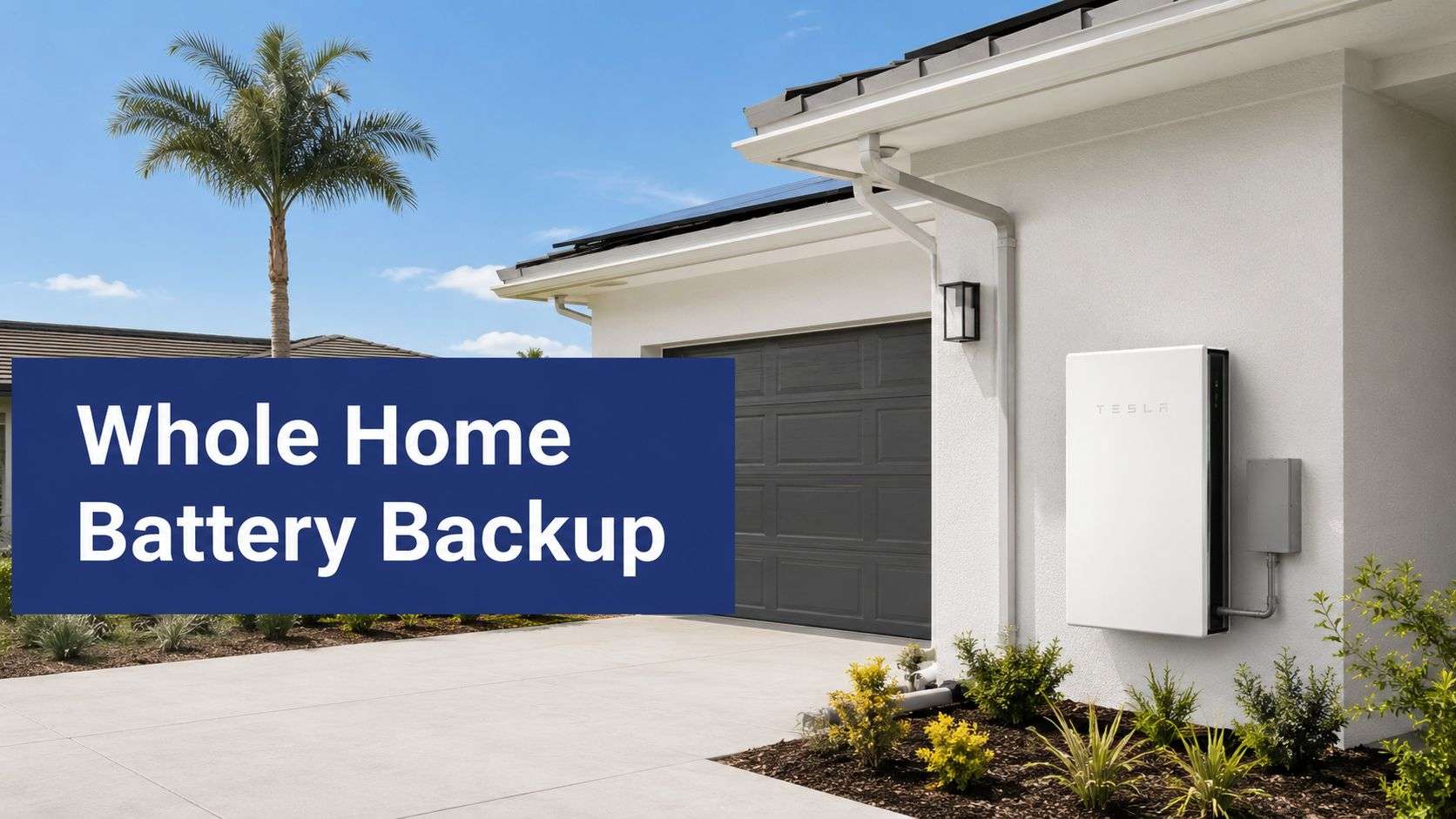
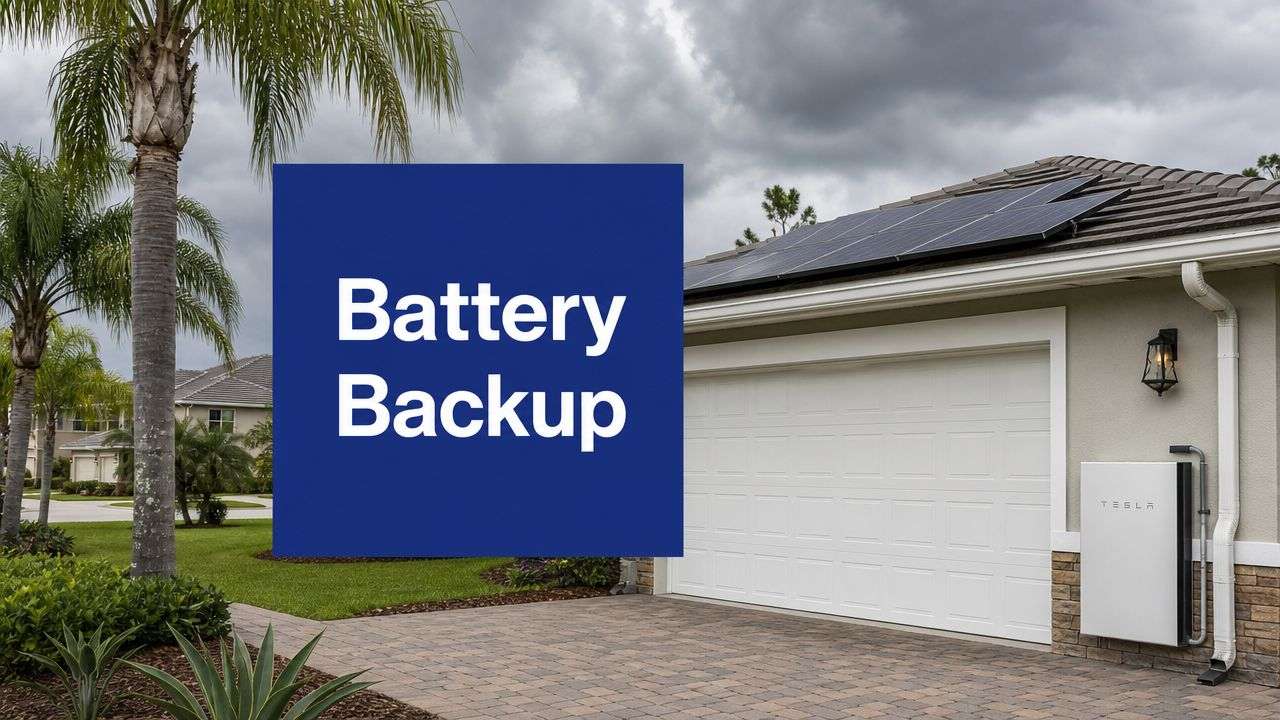
A battery turns solar from a daytime generation asset into a controllable energy resource. That matters in Florida, where storm-related outages and operational continuity concerns can carry real cost.
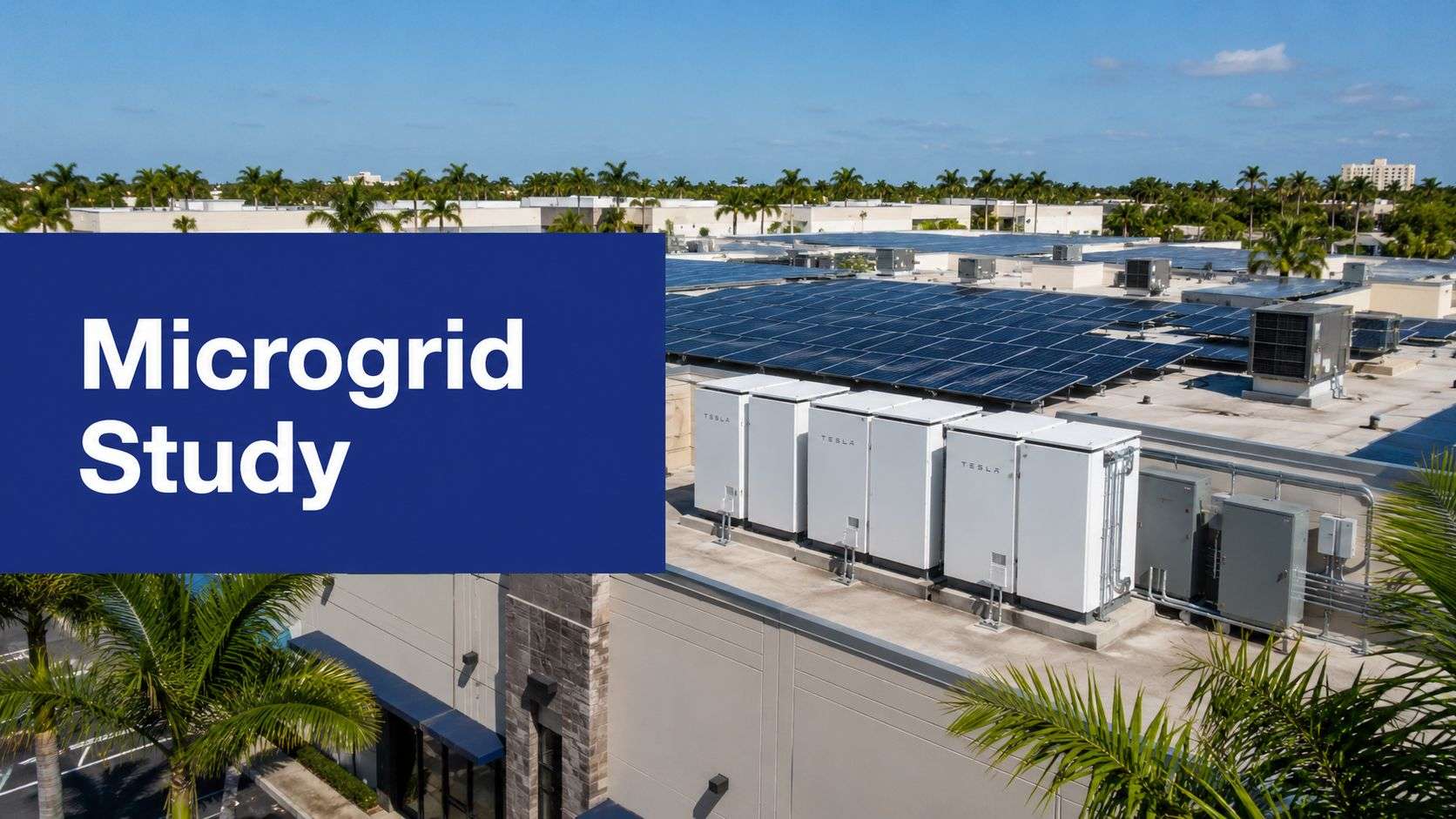
According to Enphase's discussion of commercial solar benefits, a central planning question for businesses is whether a project should prioritize kilowatt-hours, resilience, or dual-use land value, and for sites with high outage risk or demand charges, combining solar with storage to create a microgrid for backup power is increasingly economically justified.
That doesn't mean every site needs batteries. It means batteries should be evaluated based on what the business is trying to protect.
Where Storage Usually Makes Sense In Florida
Storage often deserves a hard look when a site has one or more of these characteristics:
- Critical loads: Medical equipment, refrigeration, security systems, IT rooms, emergency lighting, or process equipment can't go dark.
- Outage sensitivity: Even short interruptions create spoilage, restart costs, tenant complaints, or lost revenue.
- Demand management opportunity: Batteries may help shift load or support peak shaving strategies.
- Business continuity requirements: Some facilities need partial operation during grid outages, not just lower monthly bills.
A properly planned microgrid doesn't try to keep every load online forever. It prioritizes the loads that matter most and aligns storage capacity, controls, and solar production around those priorities.
What Owners Often Get Wrong
The most common mistake is treating storage like an automatic add-on. It isn't. Batteries improve resilience, but they also add cost, controls complexity, and operational decisions around what gets backed up and for how long.
The second mistake is trying to back up the entire facility without ranking loads. In practice, Florida businesses usually get the best outcome by defining a critical loads panel or a staged backup strategy.
During planning, ask which loads must stay on, which loads can cycle, and which loads can stay off. That one exercise usually clarifies whether storage is strategic or excessive.
If you're evaluating those options, this resource on commercial solar battery storage is a useful starting point for thinking through backup power, load shifting, and microgrid design in a business setting.
For many Florida properties, resilience is no longer a side benefit. It's part of the investment thesis.
Navigating Procurement Permitting And Interconnection
A commercial solar project can look excellent in the financial model and still stumble during execution. Most of the avoidable problems show up before construction starts. Scope gaps, unclear responsibilities, incomplete site data, and weak interconnection planning are what slow projects down and inflate cost.
That is why procurement should be treated as a risk-management process, not just a price-shopping exercise.

What Good Procurement Looks Like
A disciplined commercial solar procurement process usually includes:
Scope definition
Nail down what the project is trying to accomplish. Bill reduction only, resilience, future EV readiness, or a phased master plan.Site diligence
Confirm roof condition, structural assumptions, electrical one-lines, service equipment limitations, and access constraints before asking for final pricing.Bid structure
Issue the same core assumptions to each bidder so the proposals are comparable.Commercial review
Evaluate exclusions, milestone payments, warranty terms, performance assumptions, and change-order language.Implementation oversight
Track permitting, utility coordination, submittals, schedule risk, and commissioning requirements.
Each of those steps protects the owner's position. Without them, the lowest initial price often becomes the highest final cost.
Permitting And Utility Coordination Need Early Attention
In Florida, local permitting can vary by jurisdiction, building type, and project complexity. Roof loading documentation, electrical drawings, and equipment cut sheets all need to line up cleanly. If they don't, revisions stack up fast.
Interconnection deserves the same level of attention. Utility review isn't a formality. It can affect allowable system size, protective equipment requirements, schedule, and whether service upgrades are needed. I've seen projects with good economics get delayed because no one dealt with utility questions until after design had already advanced too far.
How To Compare EPC Responses Without Getting Lost
When commercial owners request proposals from EPC firms or installers, the documents often look similar at first glance. They rarely are.
Use a review lens like this:
- Technical fit: Does the proposed design reflect the site's actual constraints?
- Assumptions transparency: Are production, exclusions, and owner responsibilities clearly stated?
- Schedule realism: Is the timeline believable given permitting and interconnection?
- Post-installation support: Who handles monitoring, service calls, and warranty administration?
- Change-order exposure: What items are most likely to become added cost later?
A polished proposal can still hide an incomplete scope. The safest bid is usually the one that makes assumptions visible.
Independent advisory support is useful here because it separates planning from installation sales. Owners can clarify requirements, structure requests for proposal, and review competing scopes before signing with any EPC partner. That tends to produce cleaner contracts and fewer surprises during construction.
Start Your Solar Journey With A Feasibility Study
The best commercial solar projects in Florida don't begin with equipment. They begin with a feasibility study that tells you whether the building, tariff, financial structure, and resilience goals support the investment.
That first step matters because it answers the questions that drive outcomes. Is the roof ready? Does the load profile support onsite generation? Will storage improve economics or mainly improve continuity? Are utility and interconnection constraints manageable? Those are planning questions, not installation questions.
Why Feasibility Comes First
A solid feasibility study helps you make decisions in the right order:
- Validate site readiness: Roof, structure, electrical infrastructure, and usable area get reviewed before procurement.
- Model business value: The analysis focuses on cost reduction, capital fit, and resilience goals.
- Reduce procurement risk: Contractors bid against a defined scope instead of shaping the scope around what they want to sell.
- Avoid false starts: If the building isn't ready yet, you can sequence upgrades first and revisit solar at the right time.
This is especially important for Florida businesses with aging roofs, hurricane exposure, sensitive operations, or multi-tenant complexities. In those cases, planning quality often matters more than panel brand.
A Better First Conversation
If you're evaluating commercial solar power systems for a Florida property, the most productive next step is not to collect random proposals. It's to get a neutral assessment of feasibility, financial returns, storage options, and implementation risk.
A formal solar power feasibility study gives facility managers, owners, and finance teams a grounded basis for deciding whether to move forward, resize the project, phase it, or hold until site conditions improve.
That approach de-risks the process. It also puts you in a stronger position when you do engage EPC firms, because you'll know what the project needs before someone tries to package the answer for you.
If you're planning a commercial solar project in Florida and want an independent, data-driven starting point, Solar Energy Management LLC can help you evaluate feasibility, model ROI, assess storage and microgrid options, and prepare for smart procurement before you commit to an installer.