A lot of Florida property owners arrive at the same point for the same reason. The roof is crowded, aging, shaded at the wrong hours, or not where they want to place a long-term energy asset. Meanwhile, there’s usable land sitting in plain view.
That’s where ground mount solar systems start to make real sense. Not as a trendy alternative, but as a practical design choice for people who want more control over production, layout, access, and resilience. In Florida, that decision gets more serious because weather, soil, insurance, and utility economics all affect whether a system performs well over time.
For homeowners, businesses, schools, and multi-building properties, the right question usually isn’t “Can I install solar?” It’s “Where should the array go, and what setup gives me the strongest long-term outcome?” Florida rewards careful planning. The sun is abundant, but the site details matter.
Why Consider Ground Mount Solar In The Sunshine State
A Florida owner often reaches this decision after running into the same hard limits. The roof is cut up by hips and valleys, shaded at the wrong times, already carrying HVAC equipment, or too valuable to turn into a mounting surface. Meanwhile, the property has open ground that can hold a better-performing array.
That shifts ground mount solar from an alternate idea to a serious planning option.

In Florida, the appeal is not just extra placement freedom. It is the ability to place the array where the sun exposure is strongest, set the tilt for the site, and keep the system clear of roof constraints that can reduce production or complicate service. On the right property, that design control has real value over the life of the system.
Florida also changes the screening criteria. A good ground mount site has to stand up to hurricane wind exposure, local soil conditions, drainage patterns, and the way summer weather affects access and maintenance. I tell clients to treat ground-mounted solar as site infrastructure first and power equipment second. That framing leads to better decisions.
Why Ground Mounts Can Be The Better Fit In Florida
Ground mounts give owners control that many roofs cannot.
- Siting flexibility: The array can be placed for stronger sun access instead of being forced onto the building’s pitch and orientation.
- Expansion room: Open land usually gives you a cleaner path if electric loads rise later.
- Service access: Technicians can inspect, wash, and repair equipment without working around roof safety constraints.
- Roof independence: The solar asset is separated from reroof timing, membrane concerns, and roof warranty conflicts.
That last point matters more in Florida than many buyers expect. Heat, rain, salt exposure in coastal areas, and storm events all add pressure to long-term building maintenance. If the roof and the solar system are on different timelines, a ground mount can reduce future disruption.
Ground mount also fits owners who are planning beyond simple bill offset. Battery storage, outage planning, and long-term operating control are often part of the conversation. Those goals line up with the broader environmental benefits of solar energy, but for Florida properties the stronger argument is usually practical. Good siting can improve serviceability, preserve roof options, and support a more resilient system layout.
Where Ground Mounts Usually Make Sense
Ground-mounted solar is often worth serious consideration for:
- Homes with usable land and difficult roof geometry
- Properties with newer or high-end roofs owners prefer not to penetrate
- Commercial and agricultural sites with open space near the load
- Facilities considering batteries, backup circuits, or future expansion
- Owners who want easier long-term maintenance access
The main question is not whether ground mount is more attractive on paper. The question is whether your land gives you a better foundation for a 25-year energy asset than your roof does. In Florida, that is often the deciding factor.
Ground Mount Or Rooftop Which Is Right For Your Florida Property
The cleanest way to compare these two options is to stop asking which one is “better” in general. The better question is which one fits your property, your risk tolerance, and your financial horizon.
For some Florida owners, the roof is the obvious choice. For others, it becomes the wrong foundation for a long-term energy investment. A consultant’s job is to separate what’s convenient today from what will still make sense years from now.
Start With The Building, Not The Panels
If the roof is newer, well-oriented, structurally suitable, and free of shading issues, rooftop solar may be the simplest path. If the roof is older, irregular, heavily penetrated by mechanical equipment, or likely to be replaced during the life of the solar system, ground mount deserves serious attention.
That’s especially true when owners want to avoid tying solar to roofing warranties, leak concerns, or future reroof costs. Florida’s rain, heat, and storm exposure make roof integrity a bigger strategic issue than many buyers first assume.
For owners comparing those trade-offs, it helps to understand how solar and roof planning intersect before any system design gets locked in.
The Florida Resilience Test
Hurricane exposure changes the conversation. In Florida, resilience isn’t a bonus feature. It’s part of the core evaluation.
Post-Hurricane Ian analysis found that ground-mounted solar arrays were 18% less prone to damage than rooftop systems, and some property owners may see insurance premiums 10-15% lower for ground-mounts due to separation from the primary building structure, as noted in this ground array guide.
That doesn’t mean every ground mount is automatically safer. It means a properly engineered ground system can reduce some of the vulnerabilities that come with attaching equipment directly to the building envelope.
If a roof is your weather shell, any solar decision that affects it deserves a higher level of scrutiny in Florida.
Practical Trade-Offs That Actually Matter
Here’s how I’d frame the comparison for a Florida property owner.
- Choose rooftop when: the roof is in excellent condition, space is sufficient, access is manageable, and preserving yard area matters more than maximum layout freedom.
- Choose ground mount when: you have usable land, want better orientation control, want simpler maintenance access, or don’t want to build around roof constraints.
- Pause either option when: major tree growth, drainage problems, roof replacement timing, or utility interconnection questions are still unresolved.
Side-By-Side Florida Decision View
| System Type | Usually Works Best When | Main Florida Concern |
|---|---|---|
| Rooftop solar | Roof is sound and well-oriented | Roof penetrations, reroof timing, access |
| Ground mount solar | Land is available and layout flexibility matters | Site prep, zoning, trenching, foundation design |
Cost Is Only One Layer
Ground mounts often require more site work. Rooftops often look cheaper at first glance because the building already provides the raised structure. But first cost alone can distort the decision if the roof will need replacement, if access is poor, or if the layout compromises production.
A Florida owner with open land and a mediocre roof should be cautious about choosing rooftop purely because it feels more familiar. Familiar isn’t always optimal.
Essential Site Assessments For Ground Mounted Solar
A Florida site can look perfect at noon and still be a poor solar candidate. I’ve seen open acreage fail on drainage, access, setback limits, or a trench path that turns a simple layout into an expensive one.

That is why site assessment needs to happen before equipment selection. In Florida, the right question is not just whether panels fit. The question is whether the property supports a ground mount that can be built cleanly, survive local conditions, and make financial sense over time.
Evaluate The Site As A Working Project, Not Just A Sunny Area
Start with the part of the property that stays clear through the full solar window, then test whether that area still works once real-world constraints are added. A usable site needs enough room for row spacing, maintenance access, setbacks, and a trench route back to service equipment. If the owner may add a pool, detached garage, septic field expansion, or fencing later, those plans belong in the review now.
In Florida, this matters more than many buyers expect. Flat land can hide drainage problems. Attractive open areas can sit too far from the meter or panel. A spot with strong sun can also create conflicts with vehicle access, livestock movement, stormwater flow, or how the yard is used day to day.
I look for three answers first.
- Where is the best unshaded buildable area across the year? Tree lines on the south and west sides can cut production more than owners expect, especially in morning and late afternoon.
- How difficult is the electrical path? Distance to the point of interconnection affects conduit, trenching, voltage considerations, and labor.
- Can the crew build and service the array without tearing up the property? Equipment access, staging, and future mowing or vegetation control need to be realistic.
Florida Problems Usually Show Up On The Ground
A desktop layout is not enough. Walk the property after heavy rain if possible. Sandy soils may drain fast in one area and hold water in another, especially where fill was added years ago. Low spots, unstable edges, and soft ground can change where the array should go, even before foundation engineering begins.
Storm exposure also belongs in the site review. A ground mount in Florida should not sit in the path of routine standing water or in a location where debris from nearby trees becomes an obvious hurricane risk. Owners often focus on panel output first. The better sequence is to confirm the site can support construction, storm durability, and maintenance with manageable cost.
That approach mirrors good preconstruction discipline. The same planning logic used in risk management in the construction industry applies here. Identify physical constraints early, price them accurately, and avoid fixing preventable mistakes after permits or procurement.
A productive solar site in Florida needs sun, buildable ground, drainage control, code compliance, service access, and a practical path to the utility connection.
A Practical Site Review Checklist
Use this filter before you pay for detailed design:
- Check shade beyond midday. Early and late obstructions often matter more than a quick noon observation suggests.
- Inspect drainage patterns. Water movement affects constructability, maintenance, and long-term reliability.
- Confirm setbacks, easements, and local placement limits. Ground mounts are treated like site structures, not temporary equipment.
- Walk the trench route to existing electrical equipment. The shortest distance on a sketch may not be the easiest or least disruptive route in the field.
- Review future property plans. Solar should not block planned additions, septic work, access lanes, or drainage improvements.
- Compare available land with the owner’s energy target. For larger offset goals, a planning reference like what a 10,000 kWh solar system might imply helps frame whether the site and usage target align.
Strong ground mount projects start with restraint and clear screening. If the site has unresolved conflicts, fix those on paper before the first post location is marked in the field.
Choosing The Right Foundation For Florida's Environment
A ground mount array is only as reliable as what holds it in place. In Florida, foundation selection isn’t a background engineering detail. It directly affects storm resilience, corrosion risk, schedule, and long-term maintenance.
The state’s conditions force a more careful approach than generic solar guides usually suggest. Sandy soils, high water tables, salt exposure near the coast, and frequent lightning all shape the right structural answer.
Why Geotechnical Work Isn’t Optional
For ground mounts in Florida, soil geotechnical analysis is critical. The soil's bearing capacity should exceed 2,000 psf to prevent settlement, and its electrical resistivity should be greater than 1,000 ohm-cm to ensure effective grounding against lightning, according to this ground-mount design reference.
That one point alone changes how serious owners should be about pre-design work. A beautiful layout means very little if the soil can’t support the structure properly or if grounding performance is compromised in a state where lightning is a persistent threat.
The Main Foundation Paths
Most Florida ground mount projects end up considering three broad approaches: driven piles, ballasted systems, and concrete piers. Each can work. None is universally right.
| Foundation Type | Best For | Florida Considerations |
|---|---|---|
| Driven piles | Sites with suitable soil and a preference for faster installation | Soil conditions must support embedment performance and long-term stability |
| Ballasted systems | Locations where excavation is limited or undesirable | Weight, drainage, and site-specific structural planning matter more |
| Concrete piers | Projects needing a robust custom foundation response | Cure time, excavation conditions, and water table issues can affect schedule |
What Usually Works And What Often Doesn’t
Driven piles can be attractive on the right site because they reduce wet work and can streamline field installation. But in inconsistent or problematic soils, they can become harder to justify. If refusal, corrosion concerns, or geotechnical uncertainty show up, the apparent simplicity starts to disappear.
Ballasted systems solve a different problem. They can be useful where deep penetration isn’t practical or desired, but they demand disciplined structural thinking. In Florida, I’d be cautious about treating ballast as an easy shortcut. Water movement, settlement behavior, and site exposure still need serious review.
Concrete piers are often the conservative answer when conditions call for a structural response specifically designed for the site. They add excavation and sequencing considerations, but they can provide confidence on difficult sites when properly engineered.
Practical rule: Foundation choice should follow geotechnical findings, not the other way around.
Florida-Specific Material Concerns
The environment doesn’t stop at the soil line. Florida humidity and coastal air create a corrosion conversation that inland owners sometimes underestimate. Galvanized steel, aluminum selection, hardware compatibility, and coating quality all matter more when the array is expected to sit outside for decades.
I’d also look closely at maintenance access around the foundation zone. A design that works structurally but creates drainage headaches, mowing obstacles, or standing-water issues will cost more frustration over time.
Questions Owners Should Ask Before Approving A Foundation Plan
- What did the geotechnical review find?
- How does this foundation respond to wet conditions and long-term settlement risk?
- What corrosion protections are built into the structure?
- How will grounding be handled for Florida lightning exposure?
- Will this choice make maintenance harder later?
If those answers are vague, the design isn’t ready. Ground mount solar systems in Florida succeed when the structure below grade gets as much attention as the modules above it.
Maximizing Energy Production With Tracking vs Fixed-Tilt Systems
A Florida owner with open land usually gets to ask a question rooftop projects rarely allow. Should the array stay fixed in the best year-round position, or should it follow the sun and chase more production through the day?
That choice affects more than output. It changes maintenance planning, storm exposure, control systems, and the economics of each extra kilowatt-hour.

Fixed-Tilt For Simplicity
Fixed-tilt systems are the standard choice on many Florida ground mounts because they keep the project simpler. Fewer moving parts usually means fewer service calls, fewer failure points, and less concern about how motors, bearings, and controls hold up over years of heat, humidity, salt air, and storm cycles.
They also make production modeling more stable. Once the tilt and azimuth are set, owners can evaluate expected output with fewer operational variables. That matters for residential projects, agricultural properties, and small commercial sites where the priority is dependable generation and straightforward ownership.
Tracking For Higher Yield
Tracking can increase energy harvest by keeping modules better aligned with the sun across the day. On the right site, that added production has real value, especially when land area is tight or daytime electric demand is consistently high.
In Florida, though, I would not treat tracking as an automatic upgrade. The gain in output has to cover added equipment cost, added maintenance, and a more complex storm preparedness plan. A tracker that looks great in a proposal can become a weaker asset if the site is in a high-wind exposure area, if corrosion risk is increased, or if local service support for the tracking hardware is limited.
Florida sun conditions also shape the decision. The state has strong solar resource, but afternoon cloud build-up and summer storm patterns can narrow the practical advantage of tracking compared with cleaner, drier western markets. That does not make tracking a bad option. It means the production model needs to reflect Florida weather, not generic national assumptions.
A Better Decision Framework For Florida Owners
Use these questions to decide which approach fits the property:
- What is the value of extra midday and late-afternoon production on this utility account?
- Does the owner want the simplest system to maintain over 25 years, or are they prepared for more active equipment management?
- Is the site exposed to hurricane-force wind conditions that make a simpler structure more attractive?
- Will the system be paired with batteries, irrigation loads, EV charging, or other daytime uses that improve the value of higher daytime output?
- Is the production gain large enough to justify the added capital and service requirements?
One sentence matters here. More production only helps when those extra kilowatt-hours are worth enough to pay for the added complexity.
That is why utility billing details matter. If the project depends on offsetting daytime purchases or getting full value for exported energy, reviewing how TECO net metering works for solar customers can sharpen the fixed-versus-tracking decision.
What Usually Makes Sense
For homes and many small commercial properties, fixed-tilt is usually the better fit in Florida. It is easier to own, easier to service, and easier to harden against long-term weather exposure.
Tracking deserves a serious look on larger properties with strong daytime loads, limited usable land, or a clear financial case for every increment of added production. In those cases, the right question is not which system produces more on paper. The right question is which system produces the best long-term return under Florida conditions.
Navigating Costs Incentives And ROI In Florida
A Florida property owner can get two very different outcomes from the same solar wattage on paper. One project produces steady bill savings for decades. The other looks attractive in the proposal, then loses ground because of difficult soil work, storm hardening costs, weak utility bill alignment, or a system size that exceeds the property’s best use case.
That is why quote price is only one part of the decision.
Ground mount solar in Florida usually carries more upfront site cost than rooftop solar. The added expense often comes from clearing, grading, trenching, foundation work, and longer electrical runs. In exchange, owners can gain better panel orientation, easier service access, and more freedom to build around future needs such as batteries, irrigation loads, workshops, or EV charging.
The right financial question is simple. What does each installed dollar buy over the life of the system under Florida conditions?
What Usually Changes The Return
I look at five financial drivers first:
- Installed cost by site condition: Sandy soil, muck, drainage issues, and long conduit paths can change the job cost fast.
- Energy value by utility bill structure: A kilowatt-hour used on site is often worth more than one sent back to the grid.
- Storm and maintenance exposure: Simpler layouts often cost less to own over 20 to 30 years.
- Tax treatment and incentives: Federal incentives and business depreciation can shift the numbers in a meaningful way.
- Future load growth: Pool equipment, barns, cold storage, EVs, and home backup plans can improve the case for a larger array.
Florida projects reward accurate modeling. They punish assumptions.
A common mistake is sizing the system around annual consumption alone. That can miss how the property uses power during the day, how the utility credits excess production, and whether backup power matters to the owner. I have seen smaller systems deliver a better return because they matched daytime load more closely and avoided lower-value excess generation.
Incentives Matter, But They Do Not Rescue A Weak Design
Incentives improve a sound project. They do not fix a poor one.
For homeowners, the federal residential clean energy credit can reduce net project cost if the owner qualifies. For commercial properties, depreciation can be just as important as the tax credit. Those benefits should be reviewed with the owner’s tax advisor and modeled alongside financing terms, expected production, and the useful life of the site.
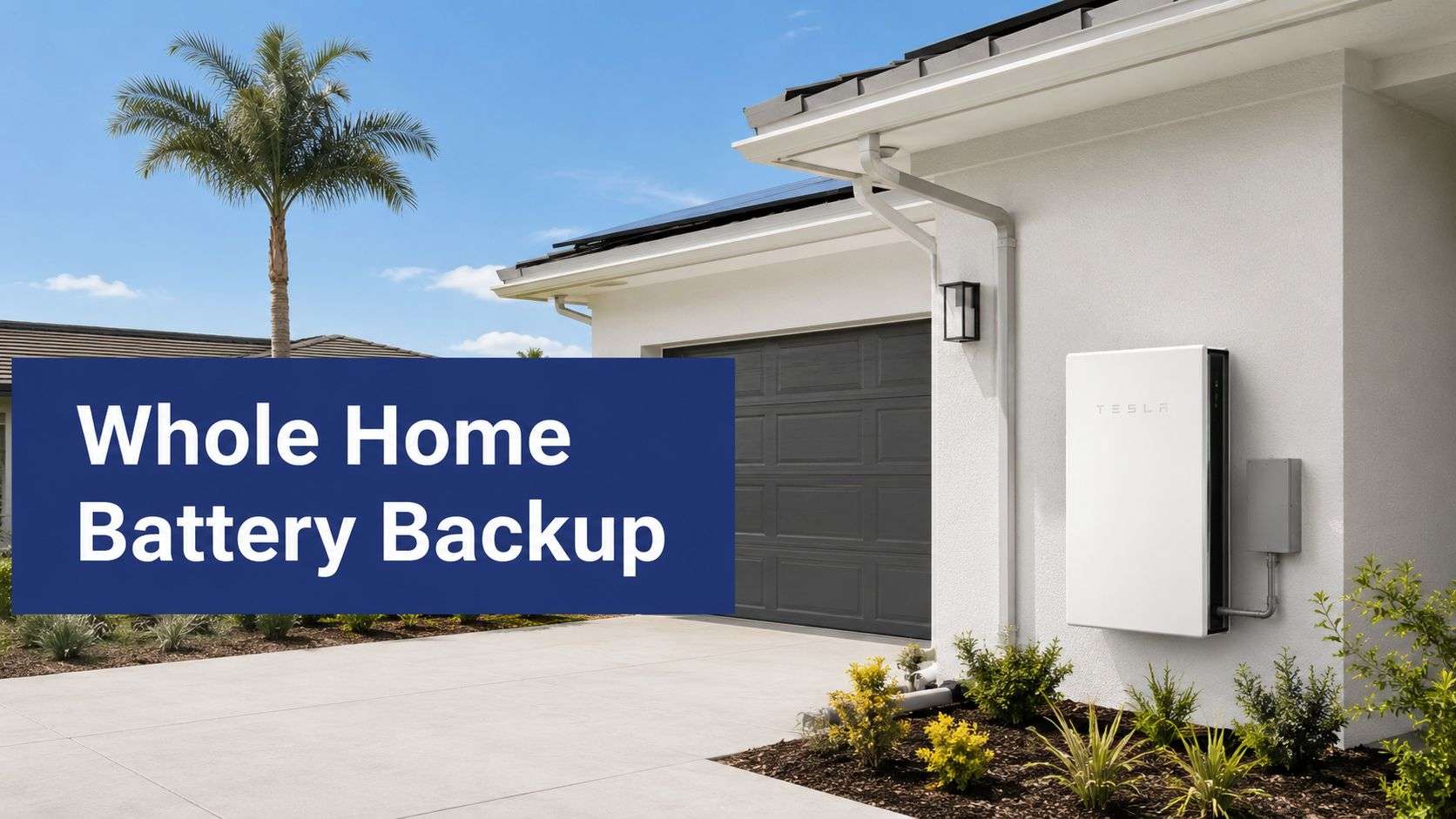
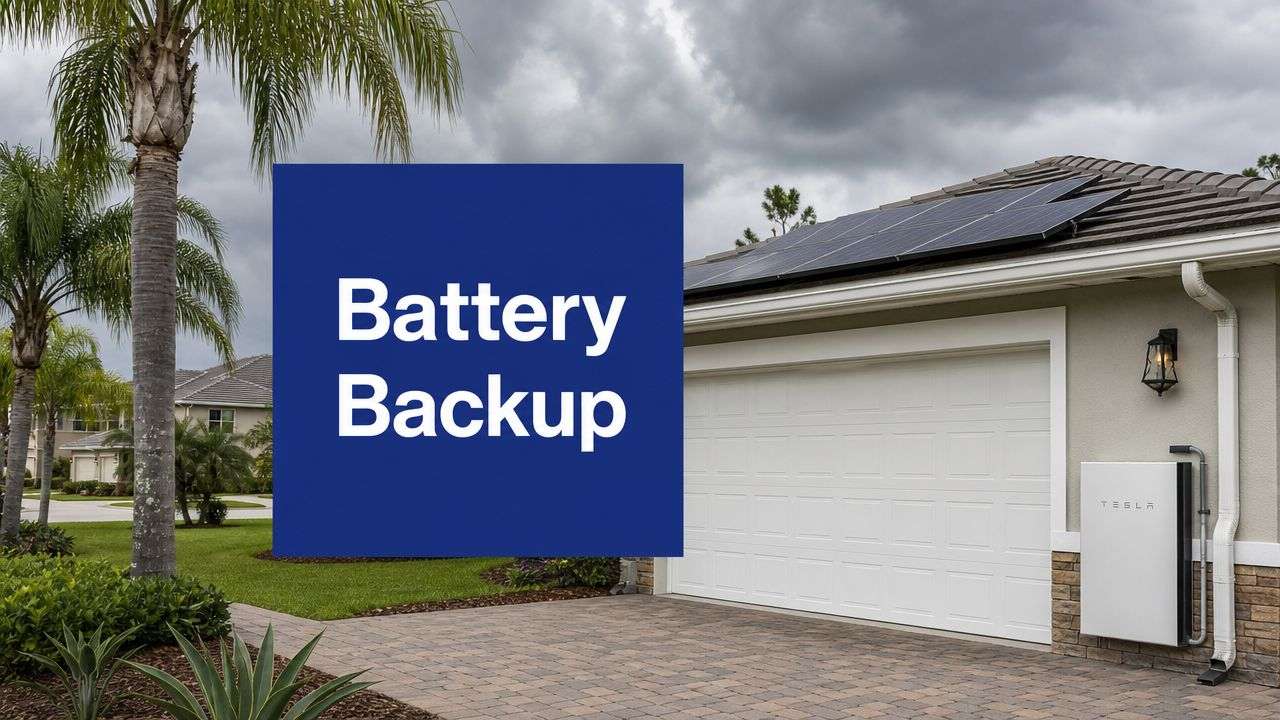
Cash flow also changes if the system is paired with storage. For some Florida owners, battery value comes from outage protection more than bill reduction. Food service, medical needs, agricultural operations, and home offices often place real value on continuity. Owners considering storage should review the equipment and planning requirements for a Tesla Powerwall 2 installation in Florida before assuming the battery economics are universal.
A Practical ROI Framework
A single payback number does not tell the full story for a ground mount system. A better review looks at the project from four angles:
Net cost after incentives
Start with the installed price, then account for tax benefits and financing costs.Usable energy value
Measure how much solar production offsets purchased power at the times that power is most expensive or most important.Ownership friction
Include likely maintenance, vegetation control, cleaning access, and post-storm inspection needs. Owners who want to understand the maintenance side can review a complete how-to guide for solar panel cleaning.Property fit over time
Check whether the array still makes sense if the owner adds load, changes occupancy patterns, or keeps the property for the long term.
This approach usually produces a better decision than chasing the largest offset percentage.
Ground mounts can be a strong investment in Florida, especially on properties with open land and stable long-term use. The best results come from matching system size, foundation cost, utility billing rules, and resilience goals before the contract is signed.
Permitting Interconnection And Long-Term System Management
Once the design direction is chosen, the work shifts from concept to execution. During this transition, many owners underestimate the administrative side of a Florida solar project.
Ground mount systems often face closer review than people expect because they function as site structures, not just energy equipment. Local zoning, setbacks, structural review, electrical permitting, and utility interconnection all need to line up. Owners should expect plan review, field inspections, and utility coordination rather than assuming the process is quick.
What To Stay On Top Of During Approval
A disciplined checklist helps:
- Verify local land-use rules: Ground arrays may trigger setback or placement requirements that don’t apply the same way to rooftops.
- Confirm utility submission requirements: Interconnection paperwork should align with the final electrical design, not a preliminary sketch.
- Keep structural documents organized: Florida projects benefit from clean documentation because weather exposure raises the stakes.
- Plan O and M before commissioning: Owners should know who monitors performance and who handles field maintenance.
For properties pairing solar with storage, early planning matters even more. Backup loads, equipment placement, and utility coordination should be considered alongside Tesla Powerwall 2 installation planning or any comparable battery strategy.
Long-Term Care In Florida Conditions
Ground mounts are easier to access than roof systems, but they aren’t maintenance-free. Vegetation control, drainage observation, hardware checks, and periodic cleaning all affect long-term output.
If an owner wants a practical maintenance reference, this complete how-to guide for solar panel cleaning is a useful starting point for understanding when and how cleaning should be approached. In Florida, pollen, dust, salt exposure, and storm residue can all justify periodic inspection.
A ground mount should be managed like outdoor infrastructure. If nobody owns the maintenance plan, performance usually drifts before anyone notices.
What Good System Management Looks Like
Strong long-term management usually includes:
- Production monitoring: Catch underperformance early.
- Site housekeeping: Keep vegetation and drainage from becoming system problems.
- Post-storm review: Inspect structure, wiring visibility, and array condition after major weather.
- Scheduled electrical and structural checks: Don’t wait for visible failure.
Ground mount solar systems reward owners who stay organized. The system should feel boring to own. That’s usually the sign it was planned well.
If you’re evaluating ground mount solar systems anywhere in Florida and want an independent second opinion before committing, Solar Energy Management LLC helps homeowners, businesses, schools, and developers assess feasibility, model ROI, plan storage, and make clear data-driven decisions. Their consulting approach is built for Florida conditions, with guidance that helps you compare options, reduce procurement risk, and move into installation with confidence.