Your electric bill lands, you look at the total, and the same question comes up again. Is solar finally worth doing in Florida, or will the financing wipe out the savings?
That's the right question. Many homeowners focus on panels first and money second. We do the opposite. If you want to know how to finance solar panels wisely, start with the economics of your property, your tax position, your cash flow, and your outage risk. The financing product comes after that.
In Florida, solar isn't just an equipment purchase. It's a long-term energy asset. If the numbers are built correctly, it can hedge utility costs, improve operating predictability, and support backup power planning. If the numbers are built badly, you can lock yourself into years of mediocre returns.
Your Guide to Florida Solar Financing
Florida owners usually come to us at the same moment. They're tired of rising power costs, they want more control, and they're staring at a project price that feels too large to pay in one shot.
That sticker shock is real. The U.S. Consumer Financial Protection Bureau reported that average residential solar installation cost is about $25,000, which helps explain why only 19% of at-home residential solar purchases were cash in 2023, while 58% used loans and 23% used leases or power purchase agreements, according to the CFPB's solar financing report.

That matters because it changes the conversation. Solar in Florida is no longer a cash-only upgrade for a small group of buyers. Financing has made ownership possible for many households and property owners who want to keep liquidity available for roofing, insurance, business operations, or reserve funds.
Why Financing Isn't the Real First Decision
The first decision isn't loan versus lease. The first decision is whether the project economics work for your property.
A solid financing plan answers questions like these:
- What are you trying to offset: A full annual electric load, only daytime use, or selected critical loads for resilience?
- What's your ownership horizon: Are you staying in the property long enough to benefit from ownership?
- Can you use incentives directly: If yes, ownership usually deserves a hard look. If no, third-party structures may matter more.
- How much payment variability can you tolerate: Some clients care more about lowest lifetime cost. Others care more about preserving monthly cash flow.
Practical rule: If you start with a payment quote instead of a financial model, you're letting the financing company define your project for you.
The Florida Lens We Use
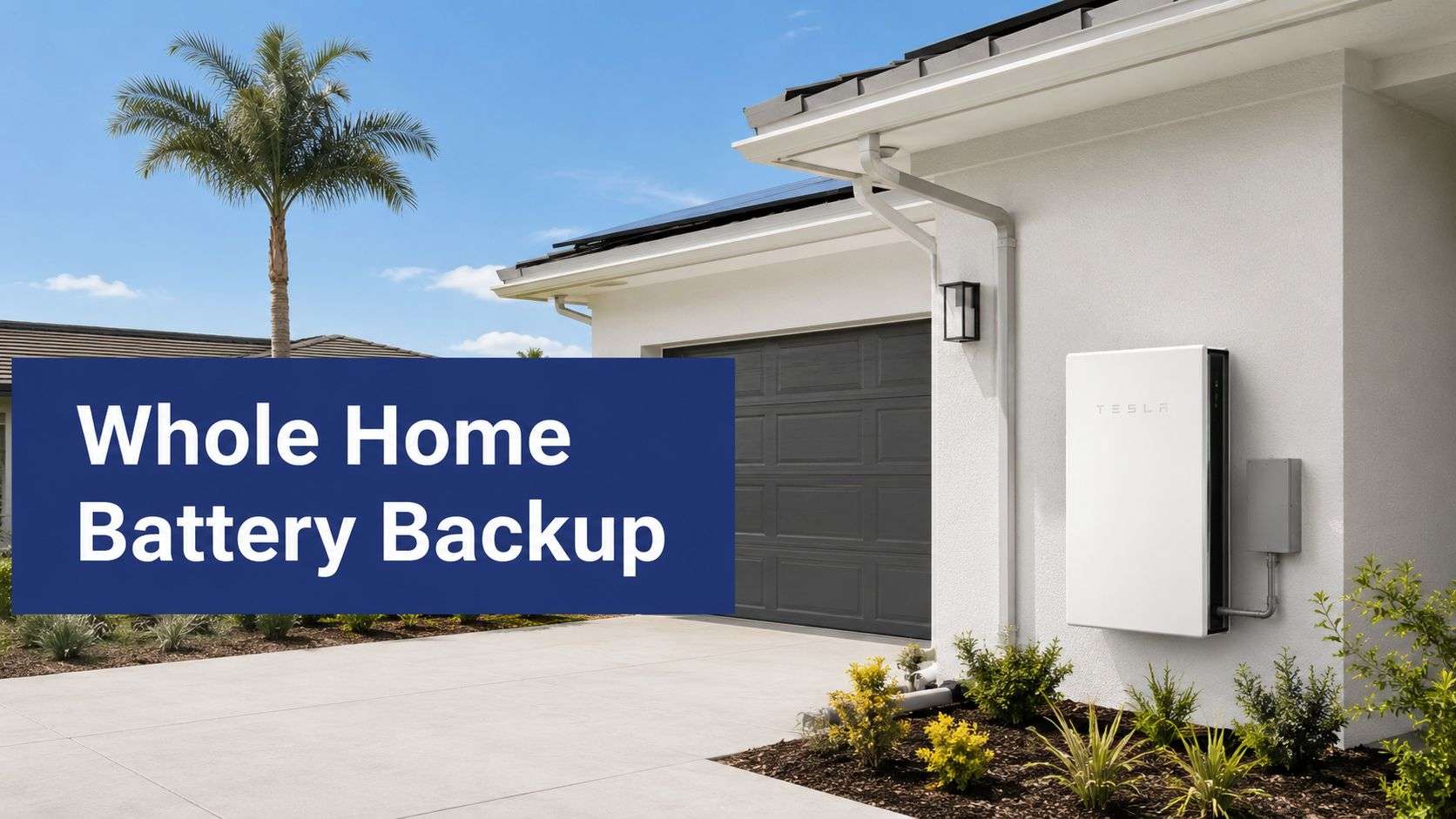
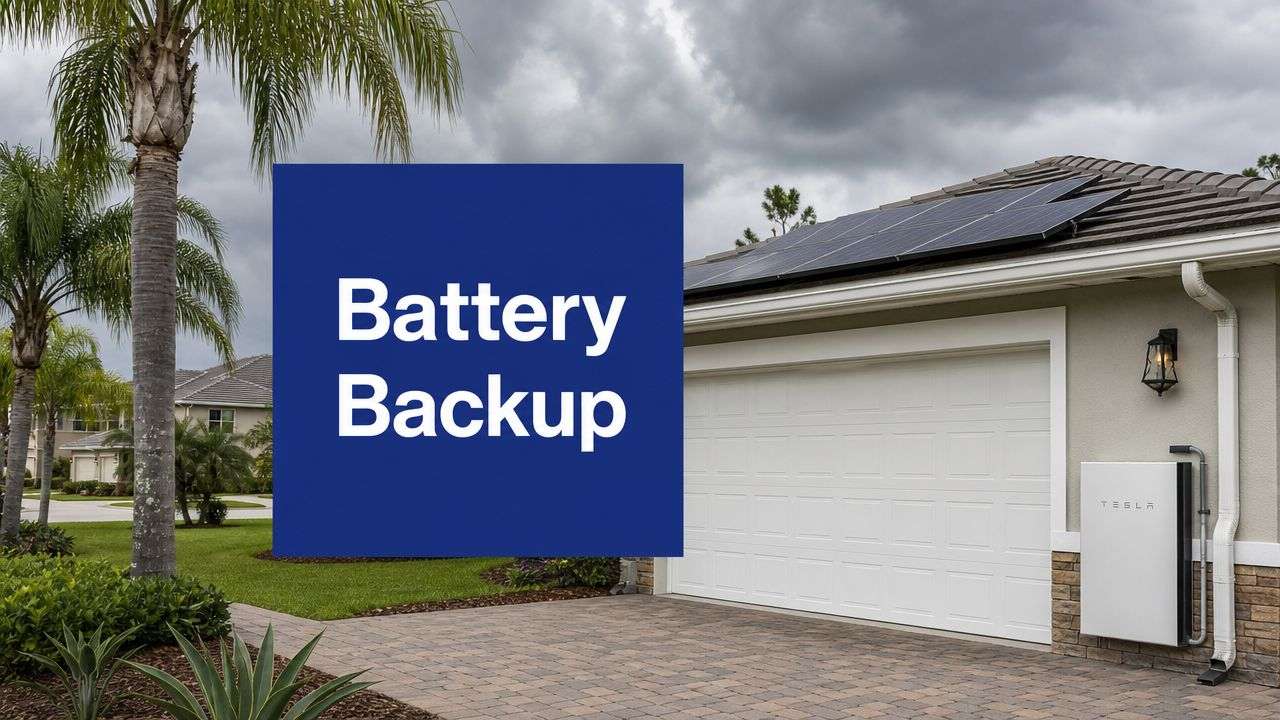
In Florida, homeowners must also consider hurricane resilience, battery backup priorities, insurance-related roof timing, and the fact that not every property has the same path to monetizing incentives.
For homeowners, the right structure often comes down to whether ownership creates enough long-term value to justify borrowing. For businesses, nonprofits, schools, and municipalities, the issue is more complicated. Tax status, depreciation access, and contract structure can change the answer fast.
Our position is simple. Good solar financing doesn't begin with a lender. It begins with pre-decision modeling. That's how you avoid buying a payment instead of building a return.
First Steps Before Seeking Financing
Most bad solar financing decisions happen before anyone fills out an application. They happen when the project scope is vague, the load analysis is sloppy, or the buyer lets an installer size the system around a financing pitch.
Start with your energy use, not with equipment.
Read Your Usage Like an Analyst
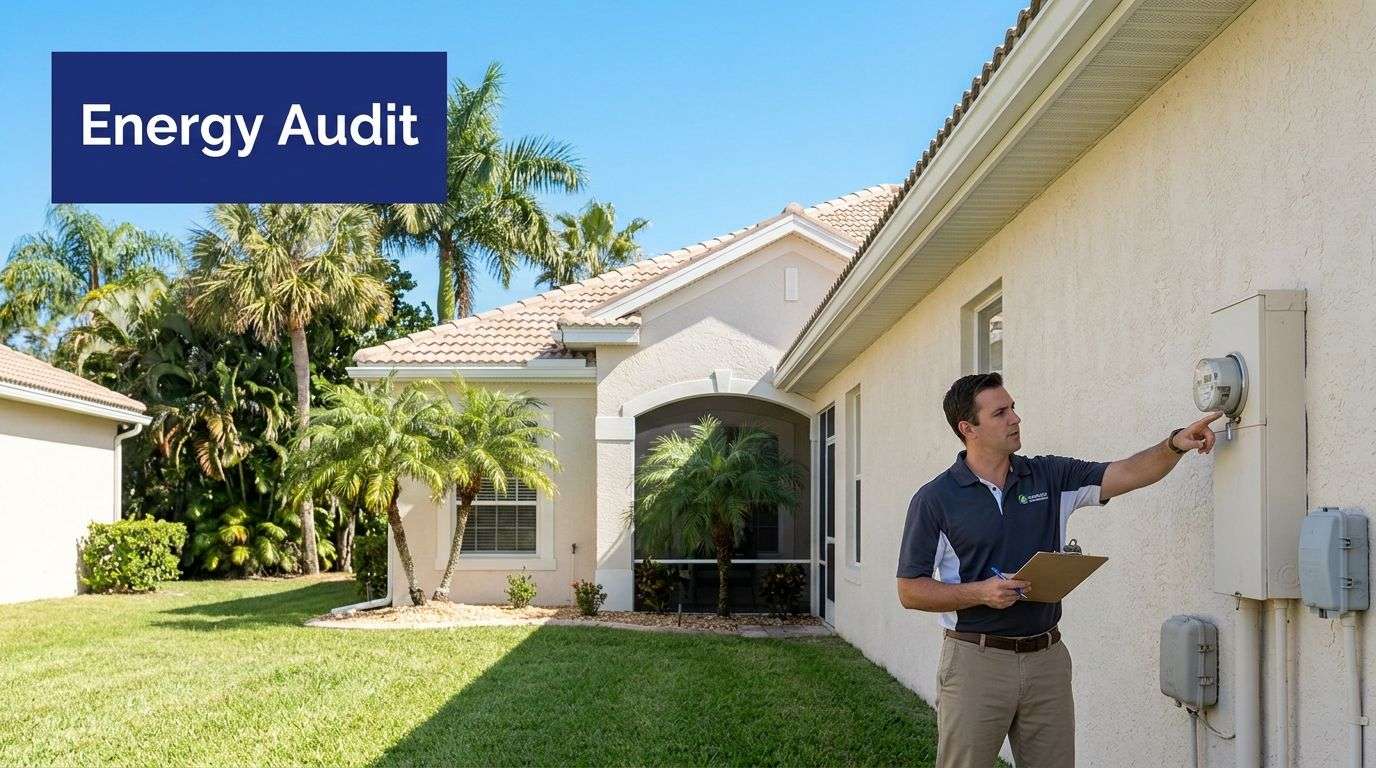
Your monthly bill doesn't tell the full story. We want to see how electricity is used across the year, when peaks happen, and whether your biggest loads are constant or seasonal.
For a Florida home, that often means looking hard at air conditioning, pool equipment, water heating, and any planned battery backup loads. For a commercial property, we also care about operating hours, tenant usage patterns, refrigeration, process loads, and demand-related cost drivers.
Use this short checklist before discussing financing:
- Pull recent utility bills: You need a clean view of seasonal usage, not one unusually hot month.
- Identify critical loads: If you want backup capability during outages, list the circuits or equipment that must stay on.
- Flag future changes: New EV charging, a roof replacement, business expansion, or HVAC replacement can change system sizing.
- Separate wants from needs: Whole-property offset and critical-load resilience are different design goals.
A financing conversation without a load profile is just sales talk with paperwork attached.
Residential and Commercial Aren't the Same Decision
A St. Petersburg homeowner and a Tampa warehouse operator should not be using the same financing logic. Property type and tax status change everything.
The U.S. Treasury guidance makes that clear. Homeowners often use home equity loans, installer financing, or bank loans, while commercial, nonprofit, and municipal buyers may need entirely different capital stacks, including specialized structures, as outlined in the Treasury guide before you buy solar panels.
That's why we model the project before we compare products. If you're trying to estimate project scope first, our breakdown of solar panel costs in Florida is a useful starting point for framing realistic budget ranges.
Build a Preliminary Scope Before You Shop
Before you talk to lenders, define four things:
Estimated system size
A rough size range keeps financing discussions grounded in reality.Target ownership structure
Decide whether you want to own the asset, preserve capital, or offload performance responsibility.Battery or no battery
In Florida, this question isn't theoretical. Storm resilience can materially affect design and financing needs.Project timing
Roof age, insurance concerns, and construction schedules can make “wait six months” the smartest financial move.
A lot of buyers rush into financing because they're motivated. Motivation is good. Premature commitment is expensive. We'd rather see you spend more time on pre-decision planning and less time trying to unwind a contract that was wrong from the start.
Calculating Your Florida Solar Payback and ROI
A Florida homeowner approves a solar proposal because the payment looks manageable. Six months later, they realize the loan fees stretched payback, the tax credit timing was misunderstood, and the project still works, just not as well as it should have. We prevent that mistake by modeling the economics before anyone signs financing papers.
Monthly payment is only one line item. The central decision is whether the project produces strong returns after incentives, financing costs, system performance assumptions, and timing are all accounted for.

The Benchmark Most Florida Homeowners Need to Know
For many Florida buyers, a reasonable target is simple. The system should reach payback on a timetable that still leaves many years of clear economic benefit after the financing burden has eased. If a proposed structure pushes too much cost into dealer fees, interest, or a long repayment period, returns get weaker fast.
We want to see three things early. How soon the project recovers its net cost. When annual cash flow turns positive. How much lifetime value remains after financing charges are included.
That is the difference between a system that merely looks affordable and one that performs well financially.
What We Model Before Recommending Any Financing
We build the model before we compare the products because the financing product should fit the economics, not control them.
A proper Florida solar analysis should include:
- Net installed cost after incentives: Ownership structure determines who receives tax benefits and whether those benefits are usable.
- Simple payback: The point when cumulative savings recover the buyer's net outlay.
- Year-by-year cash flow: A project can be profitable overall and still create a bad near-term cash position.
- Return profile: Commercial projects need a closer examination of tax position, depreciation, and capital allocation.
- Battery economics and resilience value: Backup power may justify part of the investment even when utility bill savings alone do not.
We also test whether efficiency work should happen first. A buyer who reduces demand may need a smaller solar system, a smaller loan, and less financial risk. If you are comparing broader ways to reduce energy costs in Carson City, the same principle applies in Florida. Lower consumption usually improves solar economics.
Incentives Matter. Structure Decides Whether You Benefit
The federal tax credit can materially improve returns for buyers who own the system and can use the credit. That does not mean every buyer gets equal value from it. A retired homeowner with limited tax appetite, a nonprofit, and a taxable business will each see a different result from the same project cost.
Commercial owners may also improve returns through depreciation. Tax-exempt entities need a different structure because the value cannot flow through the same way. This is why pre-decision modeling matters so much in Florida solar consulting. We need to know where the economic benefits land before we tell you which financing path deserves consideration.
Bad advice usually sounds simple. “Your utility bill goes down, so the loan makes sense.” That is sales talk, not analysis.
Our standard is higher. If an advisor cannot show your all-in economics before you choose the financing product, they are not advising you. They are steering you.
For a fuller explanation of how we evaluate long-term project returns, review our breakdown of solar power ROI and payback analysis.
Comparing Your Solar Financing Models
A Florida owner gets three proposals for the same house. One shows the lowest monthly payment. One promises ownership. One avoids upfront cost. The wrong choice can erase years of expected savings, so we compare structure first and payment second.
Seller-friendly financing is common in solar. That is why we push clients to examine four things before they pick a product: who owns the asset, who gets the tax benefits, how much contract flexibility remains, and what the full cost looks like over time.

Cash Purchase
Cash is the simplest structure and usually the cheapest on a pure cost basis. You own the system, avoid interest expense, and keep the economic upside.
That does not make cash the automatic winner. If paying cash drains reserves, delays roof replacement, or tightens business working capital, you can hurt your broader financial position just to save on financing charges. We want cash buyers to test opportunity cost before writing a check.
Best fit for:
- Owners with available capital
- Buyers who can use ownership-related incentives
- Clients prioritizing maximum long-term savings over liquidity
Solar Loan
A loan is the ownership path many Florida buyers should examine first. You keep more cash on hand, still capture ownership benefits, and can match debt service against expected utility savings if the terms are clean.
The problem is rarely the concept of a loan. The problem is bad loan structure. Dealer fees, rate buydowns, prepayment assumptions, and re-amortization after the tax credit can all distort the comparison. A low payment can hide a high total project cost.
We recommend comparing lenders on all-in borrowing cost, not teaser payment size. Borrowers who already understand the impact of deferred interest on credit usually spot these traps faster because they know attractive monthly terms can conceal expensive mechanics.
Our view: A well-structured loan often gives Florida owners the strongest balance of liquidity, control, and long-term return.
Solar Lease
A lease lowers upfront commitment and simplifies participation. You make scheduled payments to use the system, but the ownership value stays with the lessor.
That trade can work. It usually makes the most sense when the buyer cannot use ownership-based tax benefits, does not want asset responsibility, or cares more about predictable monthly costs than long-term wealth creation. Still, we rarely recommend a lease before modeling an ownership option first, because leases often leave too much value on the table.
Best fit for:
- Buyers who can't or don't want to claim ownership-related tax benefits
- Clients focused on simplicity more than long-term upside
- Properties where preserving capital matters more than maximizing asset returns
Power Purchase Agreement
A PPA shifts the structure again. You pay for the electricity produced, while the provider owns and manages the system asset.
For some commercial, municipal, and nonprofit projects, that is exactly the right answer because it solves a tax monetization problem that direct ownership cannot solve cleanly. For many homeowners, long contract terms, escalators, and transfer questions deserve close review before signing. Our guide to how solar power purchase agreements work explains where PPAs fit and where they do not.
Our Direct Recommendation
For Florida buyers who can support ownership and use the incentives, we usually start with cash or a well-structured loan. Those two models keep more of the project value with the property owner.
For tax-exempt entities, some nonprofits, some municipalities, and certain commercial properties, third-party ownership can be the better structure because it places the economic benefits where they can be used.
This is why pre-decision modeling matters. Before procurement, firms such as Solar Energy Management LLC run feasibility and financial comparisons that test ownership against lease and PPA scenarios based on project economics, tax position, and capital constraints instead of installer preference.
Preparing for Underwriting and Securing Your Funds
A financing approval can fall apart even after you choose the right loan or ownership structure. The usual reason is not the solar concept. It is weak prep, unclear project scope, or bad timing between lender approval and actual construction.
That is why we treat underwriting as part of the financial modeling process, not a paperwork chore at the end. Before you submit anything, make sure the lender sees a project that is sized correctly, priced clearly, and matched to your repayment profile. If the numbers only work because the proposal is vague, underwriting tends to expose it.

What To Gather Before You Apply
Start with documents that answer the lender's real questions: What is the project, what does it cost, and can the borrower carry the obligation?
For homeowners, that usually means:
- Recent utility bills: These support load review and help confirm the system is not oversized.
- Income documentation: Pay stubs, tax returns, or other proof of stable income.
- Property details: Mortgage information, insurance details, and any roof replacement plans that could affect timing.
- A defined project proposal: Scope, equipment, pricing, and expected installation schedule.
Commercial underwriting is tougher by design. Expect requests for business financial statements, formation documents, property records, signer authority, and a clear explanation of who receives the economic benefit from the system.
What Lenders Actually Care About
Credit matters. So does cash flow. But lenders also care whether the project itself makes sense.
A sloppy proposal creates problems fast. If the system size does not match the property load, if pricing changes from one document to the next, or if major site issues are still unresolved, the file looks riskier than it should.
This is why we tell clients to clean up the model before they apply. Underwriting moves faster when the financing amount, expected production, and project scope already hold up under scrutiny.
Timing Approval With the Real Project Schedule
Do not treat funding as a green light to start figuring out the rest. Your roof condition, contractor schedule, permit path, and interconnection timeline should already be lined up.
Payment obligations can begin before the project is producing the savings you modeled. That timing mismatch hurts returns and creates stress that was avoidable. We prefer to map the funding timeline against actual construction milestones so the borrower is not paying for a stalled project.
If you are still screening contractors, review these Florida solar installer selection factors before you lock in financing. Installer quality affects schedule risk, change orders, and the odds that your financed project performs the way it was sold.
Underwriting advice: Submit a clean file with a realistic project scope and a schedule that matches real execution. That is how you avoid late surprises, delayed closings, and bad financing decisions.
Your Final Decision Checklist and Next Steps
Before you sign anything, slow down and run a final screen. Expensive mistakes get caught at this stage.
Use This Checklist Before Committing
- Confirm your energy goal: Bill reduction, resilience, or both.
- Verify the system scope: Make sure sizing reflects actual usage and future changes.
- Check ownership fit: If you can benefit from ownership, don't default to third-party structures without modeling both.
- Compare multiple offers: You want competing financing terms, not one installer's preferred lender.
- Review all fees: Dealer fees, origination charges, and contract mechanics matter.
- Test the payoff timeline: Financing should support the project economics, not drag them down.
- Read transfer terms carefully: This matters if you may sell, refinance, or change property use.
- Model the all-in return: Monthly payment is only one line item in the decision.
For many buyers, the smartest next move isn't applying for financing. It's pressure-testing the assumptions first. If you want a solid list to use during vendor review, these are strong questions to ask a solar company before you commit.
The right project should make financial sense before the first signature. If it only looks good after aggressive assumptions and selective math, walk away.
Frequently Asked Questions on Solar Financing
Is financing solar in Florida better than paying cash
Not automatically. Cash usually avoids financing charges, but that doesn't mean it's always the stronger decision. If keeping capital available for reserves, roof work, or business operations matters, a well-structured ownership loan can be the better move.
Are leases or PPAs bad deals
Not necessarily. They're often less effective for buyers who could benefit from ownership and tax-related value, but they can fit properties where direct ownership isn't practical or where a third-party structure solves a tax or cash-flow issue.
Should I include battery storage in the financing
Only if backup power is a real priority and the numbers still work. In Florida, hurricane-related outages make storage more relevant than in many other markets, but batteries should be modeled separately so you know what portion of the project is savings-driven versus resilience-driven.
Can I finance solar if I own a business or nonprofit
Yes, but the structure may be very different from residential financing. Businesses, nonprofits, and public-sector entities often need financing customized to tax status, ownership goals, and contract flexibility.
What's the biggest financing mistake you see
People compare payments instead of comparing total cost and ownership value. That's how they end up in contracts that look easy now and underperform for years.
If you want an independent review before you commit, Solar Energy Management LLC helps Florida property owners model solar, storage, ROI, and financing strategy before installation contracts get signed. That gives you a cleaner decision, stronger negotiating power, and a project built around your numbers instead of someone else's sales process.