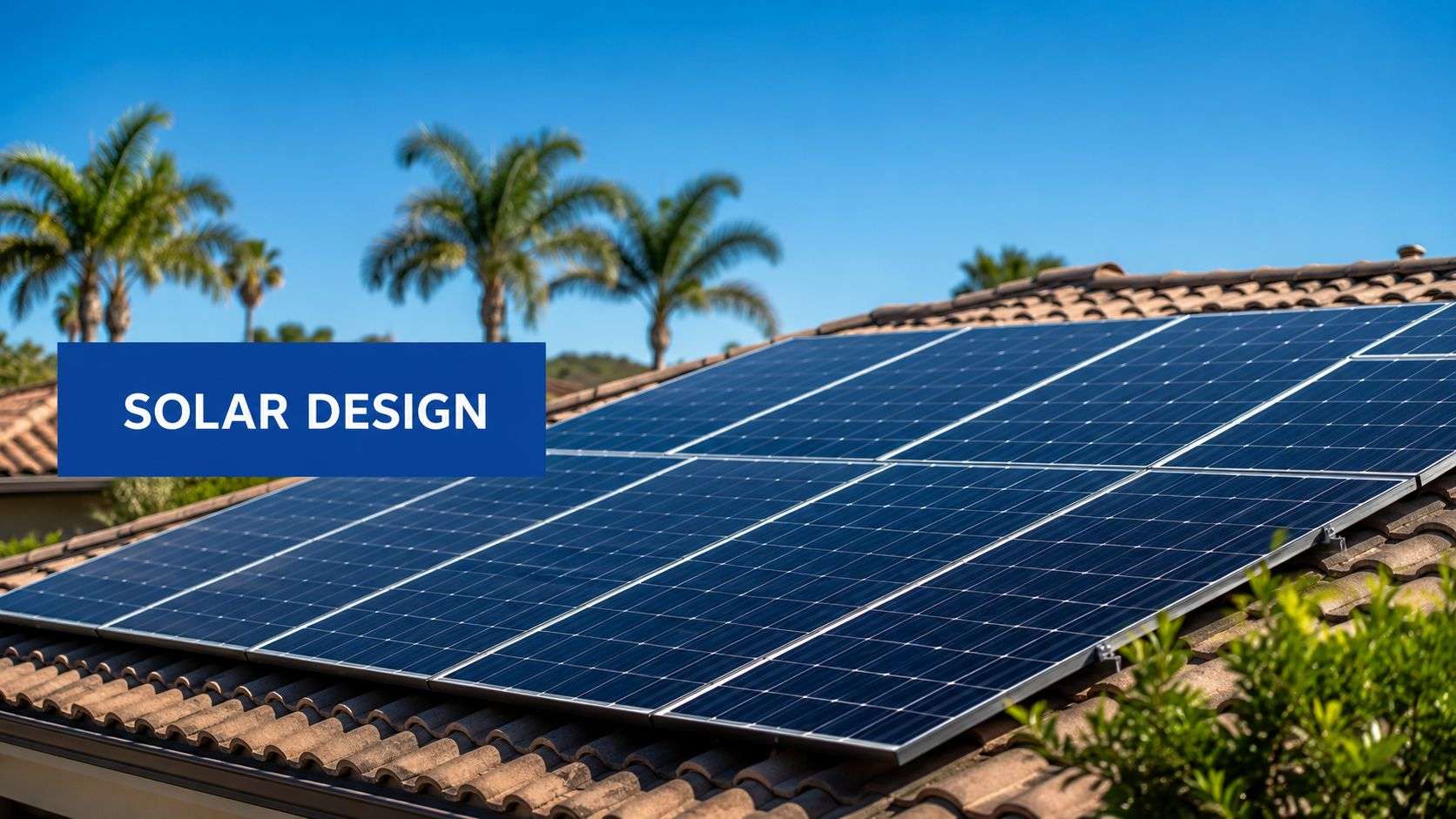
Your July power bill shows up. The AC has been running hard, rates feel like they never move in your favor, and now rooftop solar starts looking less like a nice idea and more like a serious home investment.
That's the right way to think about it in Florida. Solar isn't just about putting panels on a roof. It's a long-term decision that affects your roof, electrical system, insurance conversations, permit process, resilience plan, and future resale value. The homeowners who do best with solar usually aren't the ones chasing the fastest pitch. They're the ones who slow down early, ask better questions, and plan the project like they would any major upgrade to the house.
A lot of people search for how to install rooftop solar panels when what they really need is a clear picture of how a Florida solar project should be evaluated before anyone drills a single hole. That's what matters most here. In this climate, with heat, storms, salt air, and strict building requirements, smart planning prevents expensive mistakes.
Your Guide To A Florida Solar Installation
Your summer bill lands after a stretch of 95 degree days, the AC barely shuts off, and the solar ads start to sound reasonable. That is usually the moment Florida homeowners stop asking whether solar is interesting and start asking whether it is worth doing at their house, on their roof, under their utility rules, and for their long-term plans.
That shift matters. A Florida solar project should be evaluated like a major home upgrade, not a quick equipment purchase. The questions that shape a good outcome show up before installation day. Is the roof worth building on for the next 20 to 30 years? Does the main electrical service support the design? Will the system be built for bill reduction, storm resilience, or both? Homeowners who understand the connection between the roof and the array usually make better decisions, which is why I often tell clients to review the basics of how solar and roofing work together on the same project before they compare proposals.
Florida has seen strong residential solar interest, and for good reason. Homeowners are looking for lower utility dependence, more predictable operating costs, and better control over how the house performs during peak cooling season. But interest alone does not make a project sound. A good installation starts with planning, risk review, and a clear target for what the system is supposed to do.
Think Like An Owner, Not A Shopper
Solar is a property decision with long consequences. The panel brand matters, but the bigger issues usually involve roof life, attachment method, inverter strategy, insurance questions, battery expectations, and contractor quality.
I see the same fork in the road often. One homeowner wants the lowest possible monthly bill. Another wants enough backup capacity to keep refrigeration, internet, lights, and a few circuits running after a storm outage. Those goals can lead to very different designs, equipment choices, and budgets. If the contractor is not asking about your priorities early, the proposal is probably being built to sell fast rather than fit the house.
Practical rule: If you cannot explain what success looks like for your home, you are not ready to approve a solar design.
What A Good Process Looks Like
A well-run Florida solar project usually follows this order:
- Confirm feasibility first: Review roof condition, usable sun exposure, structural considerations, and electrical capacity before discussing final pricing.
- Set the project goal: Decide whether the priority is offsetting utility usage, adding battery backup, protecting against future rate changes, or balancing all three.
- Choose a design that fits Florida conditions: Attachment details, wind resistance, corrosion exposure, and water management need as much attention as panel wattage.
- Handle permits and utility approvals carefully: A clean install can still stall for weeks if the paperwork is sloppy or incomplete.
- Commission the system only after approvals are in place: Panels on the roof do not mean the project is finished.
The objective is a system that produces reliably, keeps the roof watertight, holds up in Florida weather, and performs the way it was sold. Homeowners also benefit from looking at related efficiency upgrades, especially in hot attics, and Airtight Spray Foam Insulation's guide is a useful reference when ventilation and heat load are part of the bigger energy plan.
Is Your Florida Home Solar Ready
A Florida roof can look perfect from the driveway and still be the wrong place to install solar.
That is why this stage matters so much. Before a homeowner compares panel brands, tax credit estimates, or loan terms, the house needs a real feasibility review. In my experience, the expensive mistakes usually start when someone treats solar as a product purchase instead of a roof, structural, and electrical project tied to a home that has to perform for decades in heat, rain, salt air, and hurricane conditions.

The First Checklist That Matters
Start by judging the house, not the sales proposal.
- Roof age and remaining life: If the roof may need replacement within the solar system's early years, handle that first. Removing and reinstalling panels later adds cost, risk, and scheduling headaches.
- Roof material: Asphalt shingle, tile, and metal each call for different attachment methods, flashing details, and labor skill. In Florida, water management matters as much as production.
- Sun exposure across the usable roof planes: A roof does not need perfect southern orientation to work well, but it does need enough unshaded area to justify the investment.
- Tree and structure shading: Morning and late-day shade can reduce output enough to change the financial case, even if the roof looks sunny at midday.
- Attic and ventilation conditions: Solar lowers purchased power, but attic heat still affects cooling demand and roof durability. Homeowners reviewing whole-home efficiency often get useful context from Airtight Spray Foam Insulation's guide.
Structural review deserves its own line item because it gets skipped too often. Installers need to know what they are fastening into, how the rafters are spaced, what shape the decking is in, and whether the roof assembly is a good candidate for the attachment plan. In Florida, that is not paperwork. It is risk control.
Questions To Ask Before You Spend Money
A serious solar readiness review should answer a few plain questions before any contract is signed:
- Is the roof new enough to avoid a remove-and-reinstall bill in the near future?
- Has someone verified framing and decking condition, not just estimated it from photos or satellite views?
- Which roof sections are worth using, and which ones look available but produce poorly because of shade or layout constraints?
- Does the roof geometry leave enough clean space after setbacks, ridges, hips, valleys, vents, and fire access requirements?
- Will this project stay roof-only, or is it smarter to coordinate roofing and solar as one planned investment?
That last point affects cost more than many homeowners expect. If a reroof is even a reasonable possibility, review solar and roof planning guidance before treating them as separate jobs. Coordinating both scopes early can prevent duplicate labor, change orders, and finger-pointing between contractors.
Do not let a proposal serve as the feasibility study. The house has to qualify first.
Solar readiness in Florida comes down to three things. The roof has to last, the structure has to support the system, and the usable sun has to justify the money. If any one of those is weak, the smart move is to fix the weak point before moving ahead.
Designing Your System And Navigating Florida Permits
Once the home passes the reality check, the project becomes a design problem. Not a brochure problem. Design means translating your household goals into equipment, layout, and paperwork that can get approved and installed cleanly.

Design Follows The Goal
Two Florida homeowners can use the same amount of electricity and still need different systems.
One may want the strongest possible bill offset with a straightforward grid-tied system. Another may care most about storm resilience and keeping critical loads powered. That second homeowner should think about batteries, backup circuits, and future expandability before the panel layout is finalized. Retrofitting those decisions later is usually messier than planning them up front.
The equipment conversation usually centers on a few core choices:
- Panel layout: This depends on usable roof area, setbacks, vents, and shaded zones.
- Inverter strategy: String inverters, microinverters, and optimizer-based systems each fit different roof conditions and monitoring preferences.
- Critical load planning: If backup matters, decide early which appliances and circuits need to run during an outage.
For homeowners who want independent guidance before installers start steering the conversation, Florida solar energy consultant support can help sort design priorities before bids are compared.
Permits Are Part Of The Design
Many homeowners underestimate the process at this point. The permit set is not admin fluff. It's a technical package that has to make sense to the local Authority Having Jurisdiction and the utility.
Typical submittals may include site plans, attachment details, equipment specifications, and a single-line diagram showing how the system ties into the home's electrical infrastructure. If the design isn't internally consistent, the project can stall before installation is even scheduled.
A good permit package tells the reviewer that the system has already been thought through. A weak package tells them to start asking questions.
In Florida, permit coordination also has to respect local code interpretation, wind-loading requirements, and utility interconnection rules. That's why the best project managers don't separate design from permitting. They build them together. When the paperwork reflects the actual roof, the actual panel, and the actual electrical setup, the job moves faster and with fewer surprises.
The Installation Process Mounting The Foundation
Homeowners often focus on the panels because they're visible. Professionals focus on the attachment system because that's what protects the house and keeps the array on the roof when weather gets serious.

What Proper Roof Attachment Looks Like
On Florida roofs, one of the most important steps is finding the rafters accurately and anchoring the racking with lag bolts and proper flashing. Done correctly, this approach helps prevent water intrusion and supports wind uplift resistance up to 140 mph. It also helps avoid leaks in 95% of cases and keeps detachment rates in high-wind events below 2%, according to this step-by-step mounting reference.
That should immediately tell you what not to accept. Mounts should never be treated like generic roof penetrations. On a shingle roof, flashing has to be integrated correctly with the roofing layers, not just smeared with sealant and covered over. Sealant is part of the defense, not the whole defense.
The sequence matters. The attachment point must hit structure. The flashing must shed water correctly. The rail system must be aligned so loads distribute the way the engineering intended.
What To Watch For During Installation
Homeowners don't need to direct the crew, but they should know what quality looks like.
- Rafter verification: Installers should confirm structural attachment points rather than guessing based on shingle layout.
- Flashing discipline: Each penetration needs a real waterproofing strategy tied to the roof type.
- Clean rail alignment: Crooked rails can signal rushed layout work and poor load distribution.
- Roof condition awareness: If brittle shingles, damaged decking, or weak areas show up during install, the job should pause and address them.
If your roof is already near replacement age, it's smart to evaluate solar roof replacement timing before installation day. Pulling off a new array because the roof was misjudged is one of the most avoidable mistakes in residential solar.
The panel is the easy part. The mount is the part that protects your house.
When people ask how to install rooftop solar panels, the answer frequently becomes very Florida-specific. The mounting system is not just support hardware. It is a structural and waterproofing system that has to work for years in heat, rain, and storms.
Powering Up Electrical Batteries And Grid Connection
Once the array is mounted, the project shifts from roofing discipline to electrical discipline. The solar installation thereby transforms into an operating power system instead of a construction project.

The Electrical Side Has No Room For Sloppiness
The panels feed DC power to the inverter, and the inverter coordinates the conversion and connection to the home's electrical system. In a code-compliant setup, the inverter connects to the main panel through a backfed breaker. Grounding and wire management are not minor details here. According to this overview of solar electrical installation and safety, improper grounding is responsible for 25% of solar-related fires.
That's why clean conduit runs, correct terminations, listed components, and verified grounding paths matter so much. Good electrical work often looks boring. That's a compliment.
Why Batteries Belong In The First Conversation
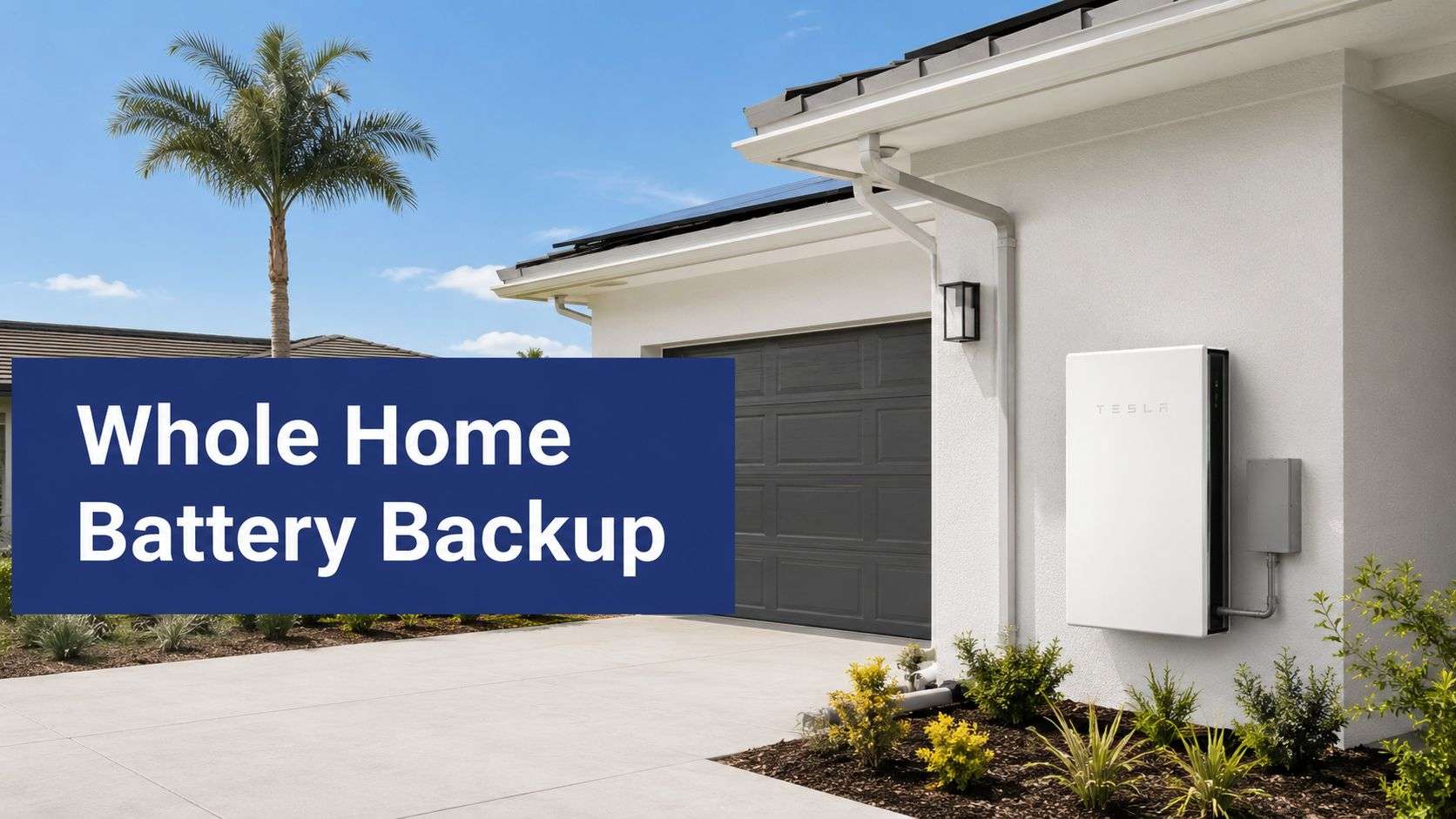
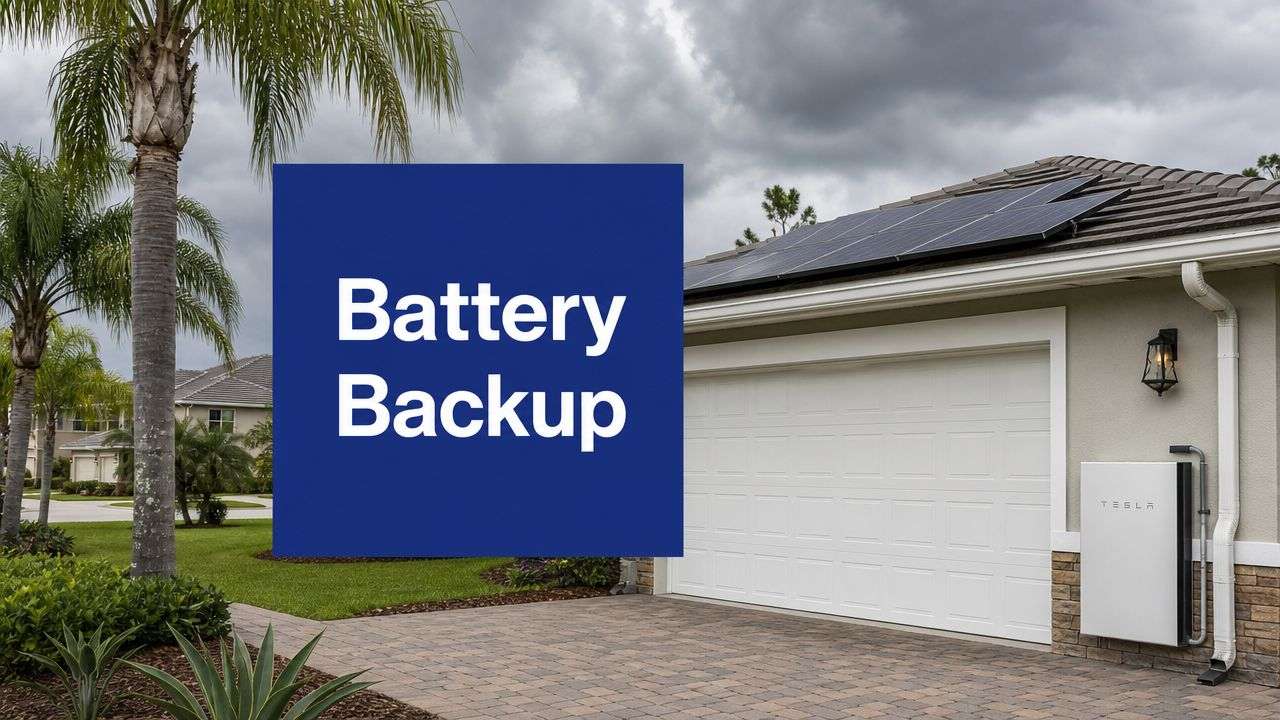
In Florida, storm resilience changes the value of solar. A standard grid-tied array can lower bills, but without storage it usually won't keep the house powered during a utility outage. Homeowners who care about continuity should evaluate battery integration at the start, not after the solar design is finalized.
The same Lowe's reference notes that integrating battery storage can boost ROI by 22% while providing backup power during outages. That doesn't mean every home needs the same battery setup. It does mean battery planning should happen while the inverter architecture, critical-load panel, and interconnection strategy are still flexible.
Here's the practical distinction:
- DC-coupled thinking: Often makes sense when battery storage is part of the original design.
- AC-coupled thinking: Can work well in retrofit scenarios or when existing solar is already in place.
- Critical load selection: Decide what must stay on. Refrigeration, communications, lighting, garage access, and selected outlets often matter more than trying to back up everything.
Battery planning also requires serious attention to safety. If you're comparing lithium storage options, understanding thermal runaway risks is useful background because enclosure placement, protection systems, and emergency planning all matter.
For homeowners exploring storage options in Florida homes, battery storage system planning can help frame the trade-offs before equipment is chosen.
Backup power isn't created by solar panels alone. It comes from a coordinated design that includes storage, controls, and the right electrical configuration.
The Final Steps Inspection Commissioning And PTO
A lot of homeowners think the project is done once the panels and inverter are installed. It isn't. The last phase determines whether the system can legally and safely operate.
Inspection Comes Before Activation
The first checkpoint is usually the local inspection. Depending on the jurisdiction and project scope, the building department, electrical inspector, or both review the installation to confirm it matches the approved plans and local code requirements.
That review often looks at attachment methods, equipment placement, labeling, disconnects, breaker configuration, and overall workmanship. If something on the roof or at the service equipment doesn't match the permit package, correction notices can follow. This is one reason clean documentation matters as much as clean installation.
Commissioning Is The Functional Test
After the installation is physically complete, the system still needs to be tested. Commissioning is where the installing team confirms that components communicate correctly, the inverter starts up properly, shutdown behavior works as intended, and monitoring is functioning.
From a homeowner's point of view, this is the stage where you should ask for a practical handoff, not just a signature. You should understand:
- What the monitoring platform shows
- Which breaker or disconnect controls the system
- What normal operation looks like
- Who to call if the system reports a fault
Don't judge handoff quality by how fast the crew leaves. Judge it by whether you understand what was installed and how it behaves.
PTO Is The Utility's Green Light
The final utility approval is usually called Permission to Operate, or PTO. Until PTO is issued, the system generally should not be treated as an active grid-connected asset.
The utility typically wants the signed inspection results and completed interconnection paperwork before granting that approval. If forms are incomplete or equipment data doesn't line up with the application, the clock can slow down quickly. Homeowners feel that delay as lost time between project completion and actual savings.
When this phase is handled well, activation feels orderly. When it's handled poorly, the project can sit in limbo even though everything looks finished from the driveway.
Smart Solar Investment Hiring Financing And ROI
A Florida solar project can look great on paper and still turn into an expensive mistake. I see that happen when homeowners focus on panel count and monthly payment before they pressure-test the contractor, the financing terms, and the assumptions behind the production estimate.
By this stage, the question is no longer whether solar works. The question is whether this specific project works for your roof, your budget, your insurance situation, and your long-term plans for the home.
How To Vet The Team
The contractor selection drives more financial outcome than many homeowners expect. A polished proposal matters less than clear answers, realistic assumptions, and a written scope that holds up once the job hits permitting, roofing details, and utility requirements.
Ask direct questions:
- Who is responsible for engineering, permits, and utility coordination: Get names, not vague promises.
- How was your production estimate built: It should reflect roof orientation, shading, usable roof area, and your actual consumption pattern.
- What roof issues would pause the project: An experienced Florida installer should identify age, attachment risk, and any reason to repair or replace roofing before solar goes on.
- What equipment is being quoted and why: Panel brand, inverter type, monitoring platform, warranty terms, and battery compatibility should all be spelled out.
- Who handles service after install: Sales disappears fast on weak projects. Service structure matters.
If you are still sorting through price ranges and ownership options, this guide to rooftop solar panel costs in Florida gives you a solid baseline before you sign anything.
Financing Choices Change The Outcome
Cash, loans, leases, and power purchase agreements create very different results over the life of the system. Cash usually produces the strongest long-term savings because there is no lender margin and no third party claiming part of the value. Loans can still work well, but the details matter. Dealer fees, interest rate structure, prepayment terms, and whether the payment jumps after a tax credit deadline all affect the project more than the headline monthly number.
Third-party ownership can reduce upfront cost, but it also changes who controls the asset and who receives the tax benefits. That can matter if you refinance, sell the house, or need to make roof decisions later.
Read the contract like you would for a kitchen remodel or a re-roof. Solar is a home improvement project with a 20-plus-year tail, not a gadget purchase.
ROI Depends On Assumptions You Can Defend
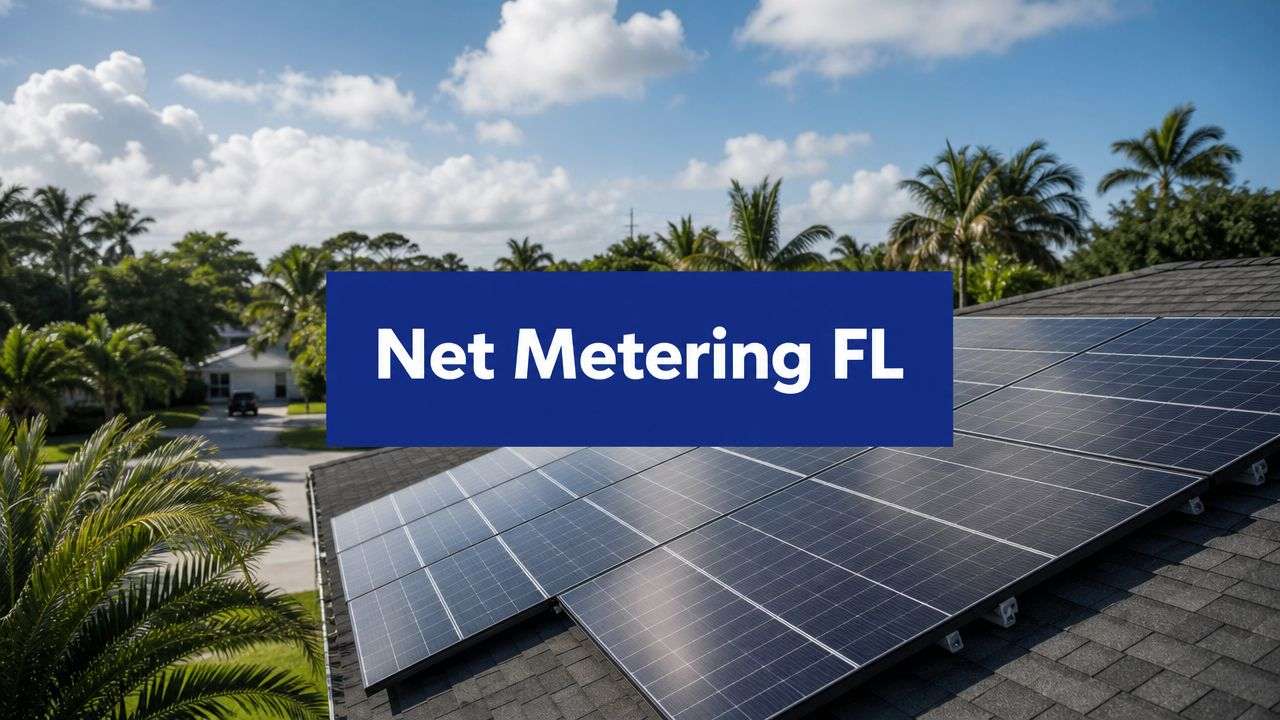
Return on investment starts with system design, but it gets shaped by several other factors. Electric rate structure, financing cost, expected time in the home, insurance implications, roof age, and battery goals all matter. Net metering policy matters too, because the value of excess production depends on your utility rules and how your usage lines up with solar output.
The 30% federal residential clean energy credit remains one of the biggest factors in homeowner economics for eligible purchased systems. Tax credits help, but they should never be used to justify a weak project. If the roof is near replacement, the production model is inflated, or the contract leaves too much ambiguity around change orders and service, the spreadsheet can look better than the actual outcome.
The Best Return Comes From Good Decisions
The best ROI usually comes from disciplined planning. Match the system size to the home's load profile. Match the financing to how long you expect to own the property. Match the installer to the difficulty of the roof and the complexity of the electrical work.
That approach matters in Florida. Heat, storms, salt exposure near the coast, insurance scrutiny, and backup power expectations all shape whether solar performs like a durable asset or becomes one more project you have to manage.
A good system lowers bills. A well-planned system lowers risk at the same time.
If you want expert help evaluating your roof, modeling ROI, planning battery backup, or reviewing solar proposals before you commit, Solar Energy Management LLC provides independent Florida solar consulting built around feasibility, risk reduction, and long-term performance.