You're probably in one of two places right now. You either have a stack of solar proposals on your kitchen counter, or a salesperson has already told you their design is “all you need” and that you should move quickly before pricing changes. In Florida, that's how a lot of projects start. It's also how a lot of bad decisions get locked in.
The problem usually isn't solar itself. The problem is buying a system before anyone has done independent work on your roof, your utility bill, your usage profile, your interconnection limits, your resilience goals, and the way you want the investment to perform over time. A contractor sells and builds. A consultant evaluates, models, pressures tests, and helps you decide whether the project deserves to move forward at all.
That difference matters when the investment is large, the utility rules are specific, and the wrong design can leave money on the table for years. In Florida, independent solar advice is often the step that protects the budget before you ever sign an installation agreement.
Why Independent Solar Advice Is Your First Smart Investment
A Florida homeowner in this market can get three quotes and hear three different stories. One installer says to fill the roof. Another says to keep the system smaller for utility reasons. A third pushes battery storage without clearly explaining whether the battery improves economics, backup capability, or both.
That confusion isn't unusual. It's the result of mixing sales, design, financing, and construction into a single conversation before the buyer has an independent framework for judging any of it.

Independent renewable energy consulting services sit upstream of procurement. The consultant's job is not to sell a specific panel, inverter, or financing product. The job is to determine whether the project fits the property and the owner's goals, then define what a good project should look like before a builder is selected.
That's one reason this category has matured into a real market. The renewables energy consulting service market was valued at USD 695.70 million in 2025 and is projected to reach USD 1.69 billion by 2036, according to Future Market Insights' renewables energy consulting service market analysis. That matters because it shows specialized advisory isn't fringe support anymore. It's part of how serious projects get developed.
What Independence Changes
When advice is independent, the questions get better:
- Is the project even viable: Not every Florida roof should get solar in its current condition. Age, shading, insurance implications, and service panel limitations can change the answer.
- What is the actual objective: Lower bills, backup power, demand management, long-term hedging against utility costs, or property value support are not the same goal.
- What should the contractor be asked to build: That's where an owner benefits from a clear scope before comparing bids from a Florida solar installer.
Practical rule: If the first serious conversation is about equipment brand or monthly payment, the process is already out of order.
A strong consulting engagement can stop a bad project, resize an oversized one, or justify a more capable system that a sales proposal missed. That's real value. Not because consulting adds complexity, but because it removes expensive guesswork.
Unpacking Renewable Energy Consulting Services
The term “consulting” often brings to mind the idea of paying for general advice. In a good solar project, that's not what's happening. You're buying analysis, documentation, and decision support that reduce the odds of a costly mistake.
The cleanest way to think about renewable energy consulting services is this. The consultant is the architect. The installer is the builder. If the blueprint is weak, even a competent builder can only deliver a flawed result.

Feasibility And Assessment
Here, the project earns the right to continue.
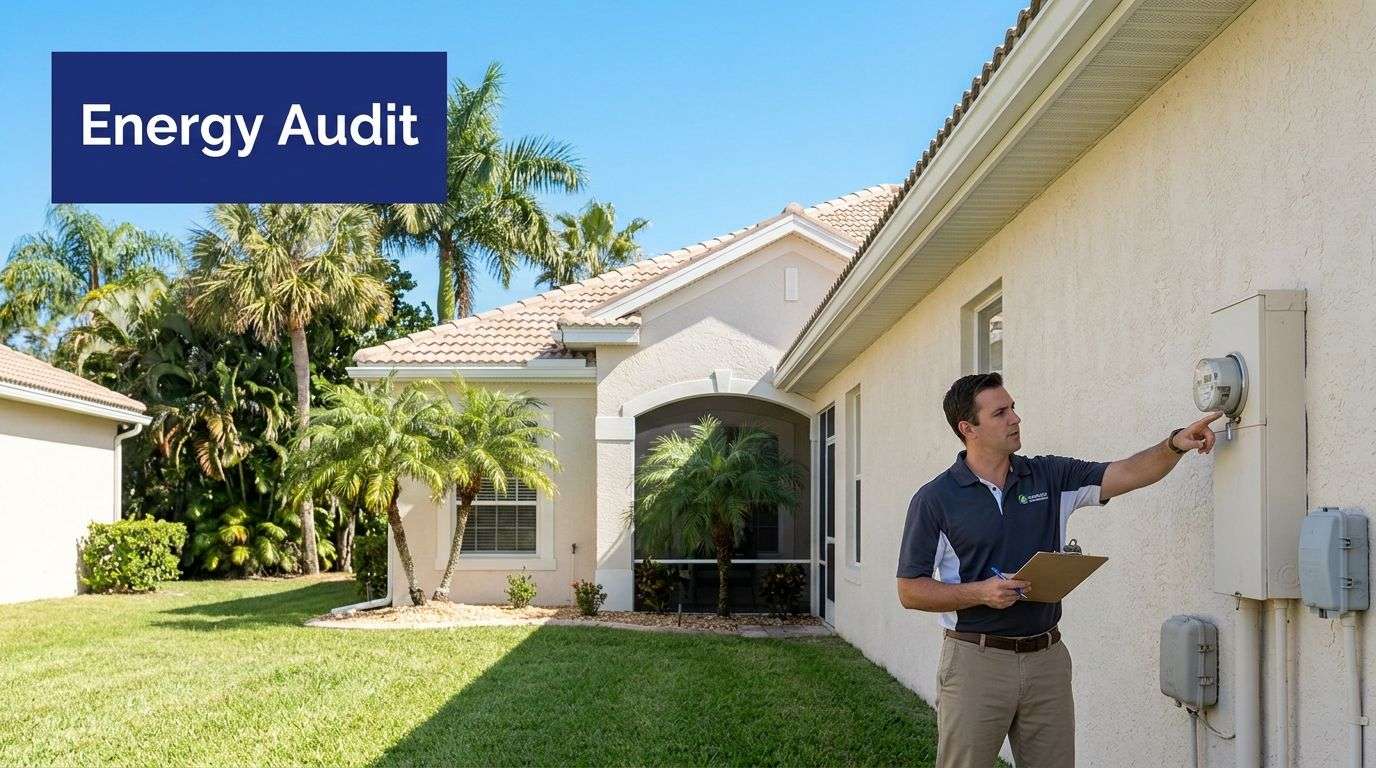
A proper feasibility review looks at more than whether sunlight hits the roof. It should include site conditions, usable roof area, shading, electrical constraints, building usage patterns, and whether the property's consumption profile supports a sensible solar design. On commercial sites, interval data can change the conversation because when you use power can matter as much as how much you use.
A formal solar power feasibility study is often the most important document in the process because it forces decisions to rest on evidence instead of optimism.
Design Guidance And Technical Due Diligence
A consultant doesn't have to be the installing party to provide design guidance. In fact, independence often improves the quality of the design brief.
That work can include:
- System sizing: Matching production potential to the property's real load, not solely maximizing panel count.
- Equipment path selection: Comparing inverter architecture, monitoring needs, and battery compatibility based on the project's purpose.
- Constraint review: Flagging roof setbacks, structural concerns, export limitations, and service upgrades before they become change orders.
The market demand behind this work is growing. Demand for renewable energy consulting is growing at a 9.3% CAGR, driven by services such as feasibility studies, technical due diligence, regulatory compliance, and financial advisory that reduce execution risk before capital is committed, according to Dataintelo's renewable energy consulting market report.
Financial Modeling And Incentive Strategy
Many Florida buyers often receive incomplete answers from sales proposals. A quote may show estimated savings. That's not the same as a financial model.
A useful model tests the project under realistic operating assumptions and compares ownership paths. It should ask what happens if production is lower than expected, if usage changes after HVAC upgrades, or if a battery solves a bill issue that solar alone does not. For commercial properties, the model should also align with accounting and tax planning rather than treating the system as a simple utility purchase.
A solar project is not “good” because it has a decent payback on paper. It's good when the assumptions survive scrutiny.
Procurement And Owner Representation
Consulting often continues after the analysis phase. That's where many owners save the most frustration.
A consultant can help compare bids line by line, normalize scope differences, flag soft-cost padding, review warranty language, and make sure the installer is pricing the same system objective. If one proposal includes backup for critical loads and another does not, those quotes are not comparable even if the total price looks close.
One Florida option in this category is Solar Energy Management LLC, which provides feasibility studies, ROI modeling, system design guidance, battery planning, and coordination support before implementation. That role is different from an installation contractor because the work is centered on project evaluation and owner-side decision support.
Your Project Roadmap With A Solar Consultant
The best consulting engagements follow a sequence. They don't start with equipment. They start with decisions.
When the process is structured, the owner knows what information is being gathered, what gets analyzed, and what must be resolved before a contractor receives the final scope.

Phase One With Goals First
The first step is clarifying what success means on your property.
For a homeowner, that might be lower utility bills plus backup for refrigeration, communications, and select cooling loads. For a business owner, it might be operating cost reduction, resilience for key circuits, or a project structure that fits cash flow. Those objectives change the design.
A useful kickoff usually covers:
- Energy history: Utility bills, usage trends, known peak periods, and planned changes in consumption.
- Property conditions: Roof age, available area, electrical service, and any restrictions from the site.
- Capital priorities: Cash purchase, financing, or a structure aligned with broader business planning. A guide on how to finance solar panels can help frame those options before vendor quotes muddy the conversation.
Phase Two With Analysis That Tests The Deal
Once the goals are clear, the technical and financial work begins.
This phase usually produces the numbers and assumptions that matter most. Production estimates, system size ranges, battery use cases, expected operating behavior, and incentive pathways all get pressure tested here. On commercial properties, it's also where the consultant should examine whether the utility rate structure supports a straightforward solar project or whether storage and controls deserve a closer look.
The main deliverables often include:
- A recommended system concept: Not a generic “bigger is better” plan.
- Scenario modeling: Different system sizes, storage options, and ownership structures.
- Risk notes: Any issue likely to affect permitting, interconnection, scheduling, or budget.
Phase Three With Vendor Vetting
At this point, many buyers make the mistake of shopping too loosely. They ask three installers for “a quote” and then compare whatever comes back.
That rarely works. A consultant helps issue a defined scope so bidders are pricing the same objective. This sharpens procurement and makes proposal review much more useful.
Owner-side discipline wins here. If each bidder is solving a different problem, the lowest price tells you very little.
Vendor vetting should include experience with the local utility, documentation quality, warranty structure, responsiveness, and whether the team can deliver the project that was modeled.
Phase Four With Oversight During Implementation
Even when the design is sound and the contractor is qualified, projects can drift during execution. Equipment substitutions happen. Layouts shift. Schedules slip. Scope language suddenly matters.
Owner-side consulting support during implementation often includes reviewing submittals, responding to field deviations, checking that the final installation aligns with the approved design intent, and verifying that post-install performance is being evaluated correctly.
For Florida property owners, that oversight is often the difference between “installed” and “installed as planned.”
Navigating Florida's Solar Incentives And Regulations
A Florida solar project can look strong on a proposal and still run into trouble because the local rules weren't handled correctly. In such cases, independent consulting quickly earns its fee. The design has to fit the property, but the economics also have to fit Florida's incentive framework, utility requirements, and local approval process.
The Financial Side In Florida
For many buyers, the first question is whether incentives materially improve the decision. In Florida, they often do, but only if they're incorporated correctly into the plan and timing.
A consultant typically helps review issues such as:
- Sales tax treatment: Solar equipment may benefit from Florida's sales tax exemption, which affects upfront project cost.
- Property tax treatment: The state's property tax exemption for qualifying solar improvements can matter for owners who don't want assessed value changes to create a tax penalty.
- Federal incentive coordination: Especially for commercial property owners, timing, ownership structure, and accounting treatment need to be aligned before procurement.
A local breakdown of Florida solar incentives is useful, but the actual work is applying those rules to your specific ownership and project structure.
Utility Rules And Interconnection Reality
Florida is not one utility territory with one process. It's a patchwork of service areas, forms, review timelines, and operational requirements.
That means a consultant should be asking practical questions early:
- Will the system size trigger additional review?
- Are there utility-specific constraints that affect export or equipment configuration?
- Does the battery strategy need to be modeled for backup, bill management, or both?
- What documentation will the local authority having jurisdiction expect during permitting?
These details shape schedule risk as much as project cost.
HOA And Local Approval Friction
Homeowners often focus on panels and overlook administrative friction. In practice, HOA review, roof replacement timing, and municipality-specific permitting standards can create more delay than the solar design itself.
Commercial owners deal with a different version of the same problem. Existing roof warranties, landlord-tenant allocation questions, structural certification, and insurance coordination can slow a project if nobody is managing them from the owner side.
A consultant helps bring those issues forward before the installer mobilizes. That doesn't make the process glamorous. It makes it controllable.
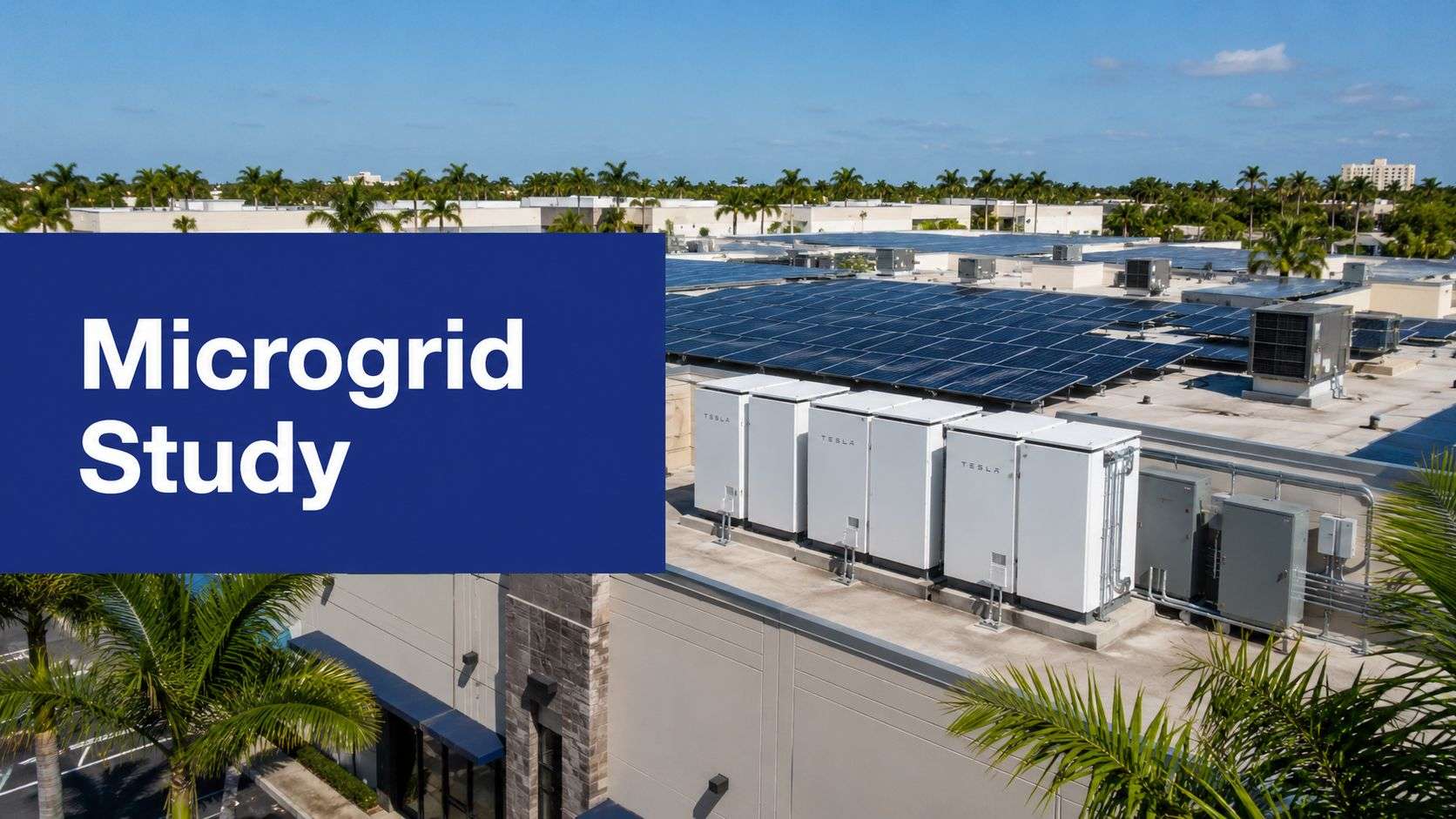
Planning For Battery Storage And Microgrids
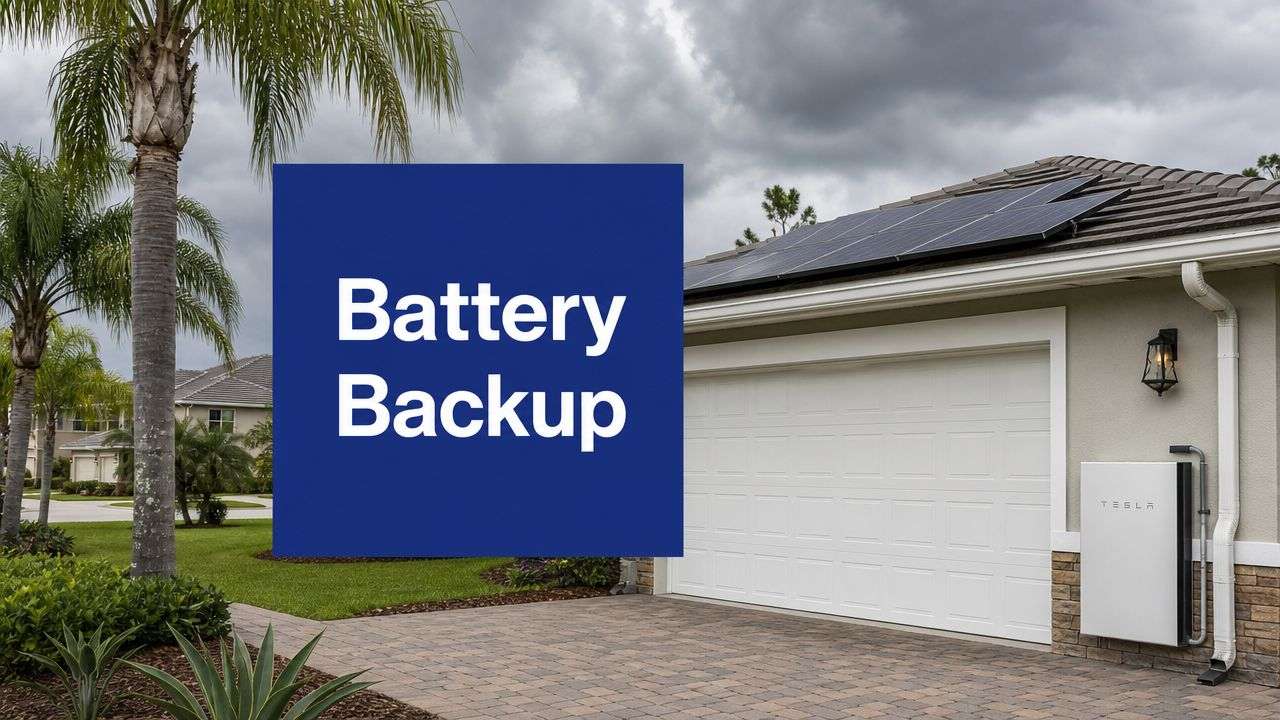
In Florida, battery storage is often discussed as a storm backup product. That's only part of the picture.
For some properties, a battery is primarily a resilience tool. For others, it's a design response to rate structure, export limitations, or a requirement to support critical loads in a more controlled way. Those are different use cases, and they should not be priced or justified the same way.
When A Battery Solves A Real Problem
A battery can make sense when the owner has a clear operational objective.
For homeowners, that may mean keeping refrigeration, lighting, communications, garage access, medical devices, or selected cooling circuits online during outages. For commercial properties, the answer may be more strategic. Storage can support continuity for critical equipment, reduce exposure to service interruptions, or help shape how the facility uses power across the day.
Experienced modeling matters. As Capstone Energy's discussion of renewable energy consulting notes, storage may be justified by export limits or demand charges, not just backup power needs. That distinction is important for Florida owners dealing with utility-specific rules and different resilience goals.
Why Microgrid Planning Is Different
A microgrid is not “solar plus a bigger battery.” It's an operating strategy.
On larger properties, the consultant has to define what the microgrid is expected to do. Should it isolate critical loads only, support a broader portion of the facility, or coordinate multiple buildings? Should it prioritize fuel reduction, business continuity, tenant protection, or life-safety support? The technical answer follows the operational answer.
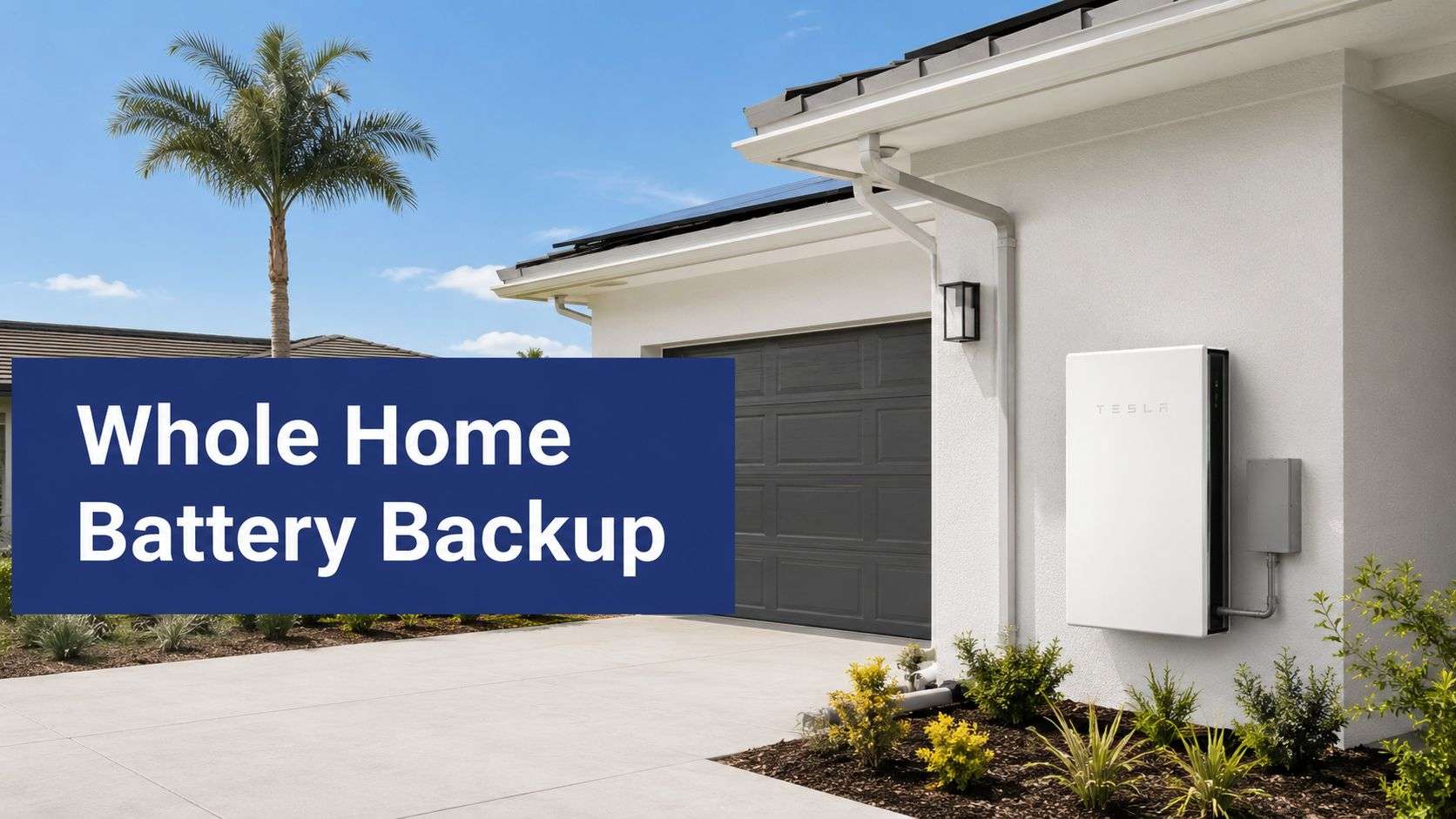
For resilience-focused buyers, solar battery backup for power outages is a useful starting point, but a serious design still needs site-specific control logic, load selection, and financial review.
Storage should be sized to the problem you're solving. Oversizing is expensive. Undersizing creates false confidence.
In practice, Florida projects go wrong when storage gets added late in the sales cycle as a premium upgrade instead of being planned from the start around outage behavior, load priorities, and utility interaction.
Sample ROI Scenarios For Florida Properties
The most useful solar models aren't generic. They're tied to the owner's actual constraints and priorities. Since every property is different, the examples below are illustrative rather than predictive. They show how an independent consultant frames the decision before anyone starts chasing signatures.

A Homeowner Focused On Bills And Backup
A homeowner in coastal Florida wants lower monthly utility costs, but their primary concern is outages. The family doesn't need whole-home backup. They need refrigeration, internet, lighting, garage access, and a few critical circuits to stay online after storms.
The wrong approach would be a sales-led package that maximizes panel count and adds a battery without reviewing critical loads. The better approach is to define the backup panel, determine how much solar production is likely to support daily use, and decide whether the battery is being purchased for outage duration, bill optimization, or both.
That analysis often changes system design in practical ways:
- Battery scope gets narrower: Critical-load coverage may be more valuable than whole-home ambition.
- Solar sizing becomes more disciplined: More modules aren't always the best financial move if usage patterns don't support them.
- Roof timing becomes part of the investment decision: If replacement is near, delaying or sequencing the project may protect the long-term return.
A Commercial Owner Focused On Operating Costs
A commercial property owner in Florida usually starts with utility spend. But a good consulting process goes beyond the current bill and asks how the project fits tenant arrangements, financing preference, depreciation planning, backup priorities, and procurement risk.
In one common scenario, the consultant finds that the project works, but not in the simple way the original quote suggested. Solar may reduce purchased energy, while storage handles a narrower operational issue such as demand-related cost exposure or continuity for key systems. The result is a project that is more targeted and easier to defend internally.
What owners usually need from the model is not hype. They need a decision memo in plain English:
- What does the system solve financially
- What risks could erode the return
- What assumptions need to hold true
- What should the installer be required to deliver
That last point matters. A project can look attractive in concept and still underperform if procurement is sloppy or execution drifts from the modeled design.
Key Questions To Ask Your Solar Consultant
If you're interviewing consultants, don't ask broad questions like “How long have you been in business?” first. Ask the questions that expose whether the person is independent, technically disciplined, and capable of protecting you during procurement.
Questions That Reveal Independence
Start here:
- How are you compensated: You want to know whether the consultant's fee changes based on the equipment or installer you choose.
- Will you recommend against the project if the numbers don't work: A real advisor has to be willing to say no.
- What deliverables do I receive: Ask for examples of feasibility findings, design criteria, bid comparison formats, or financial models.
Questions That Reveal Execution Judgment
Consulting isn't only about design. It's also about whether the plan can be built by the market that exists now.
McKinsey estimates the renewables sector will need an additional 1.1 million blue-collar workers for construction and 1.3 million more white-collar workers by 2030, which is why McKinsey's analysis of renewable energy talent gaps makes a practical question unavoidable: how does the consultant vet an installer's capacity to deliver on schedule?
Ask directly:
- How do you evaluate whether an installer can deliver this project on time
- How do you compare bids when scopes are inconsistent
- What do you review during implementation to make sure the built project matches the modeled project
- What experience do you have with my Florida utility and local permitting environment
A good consultant doesn't just know solar. They know how projects fail, and they build the process to catch those failures early.
The right answers won't sound theatrical. They'll sound organized, specific, and owner-focused.
If you want an independent review before choosing an installer, Solar Energy Management LLC works with Florida homeowners, businesses, and organizations to evaluate solar and storage projects from the owner's side. That includes feasibility studies, ROI and financial modeling, system design guidance, battery and microgrid planning, and support comparing contractor proposals before you commit.