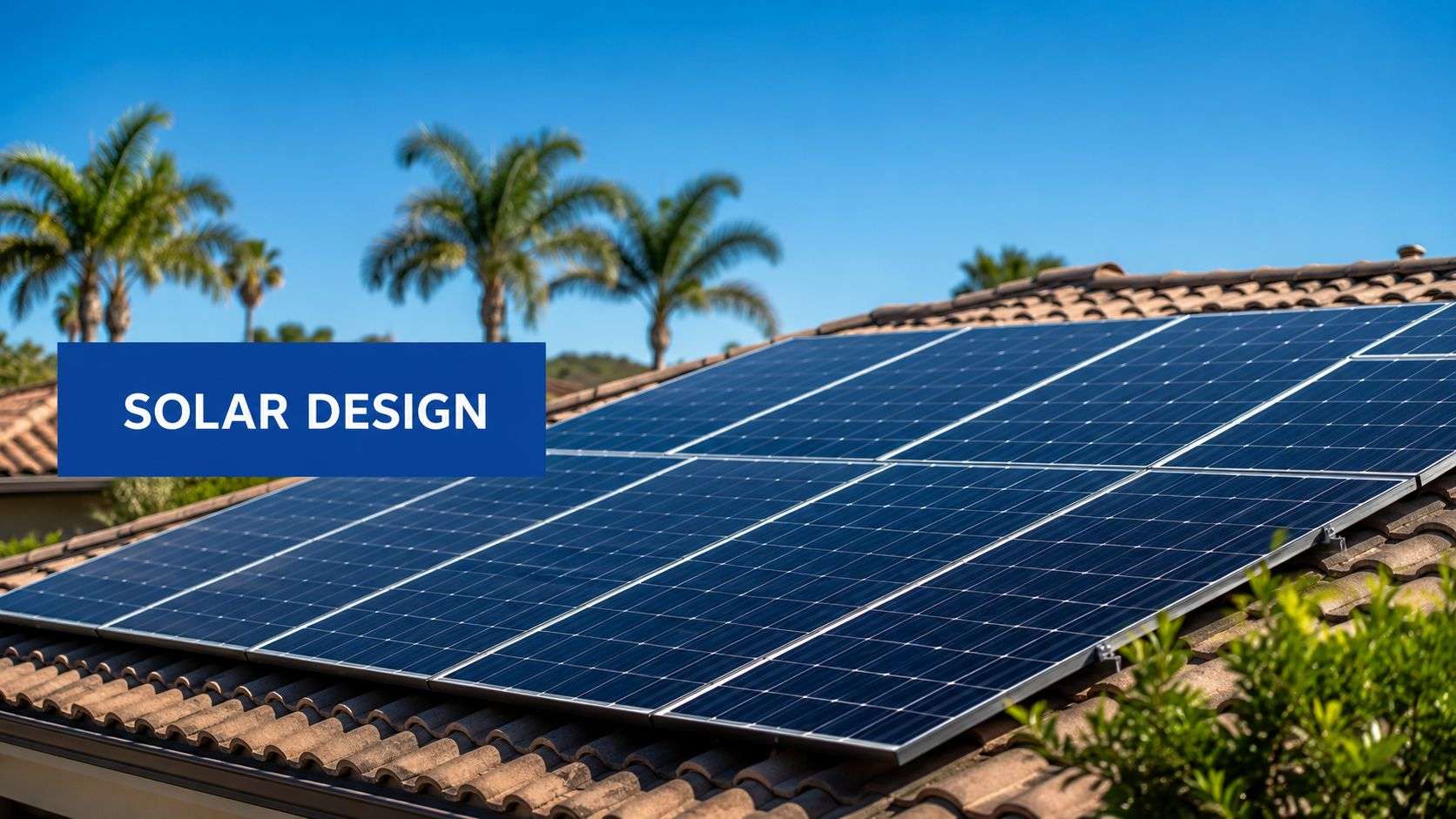
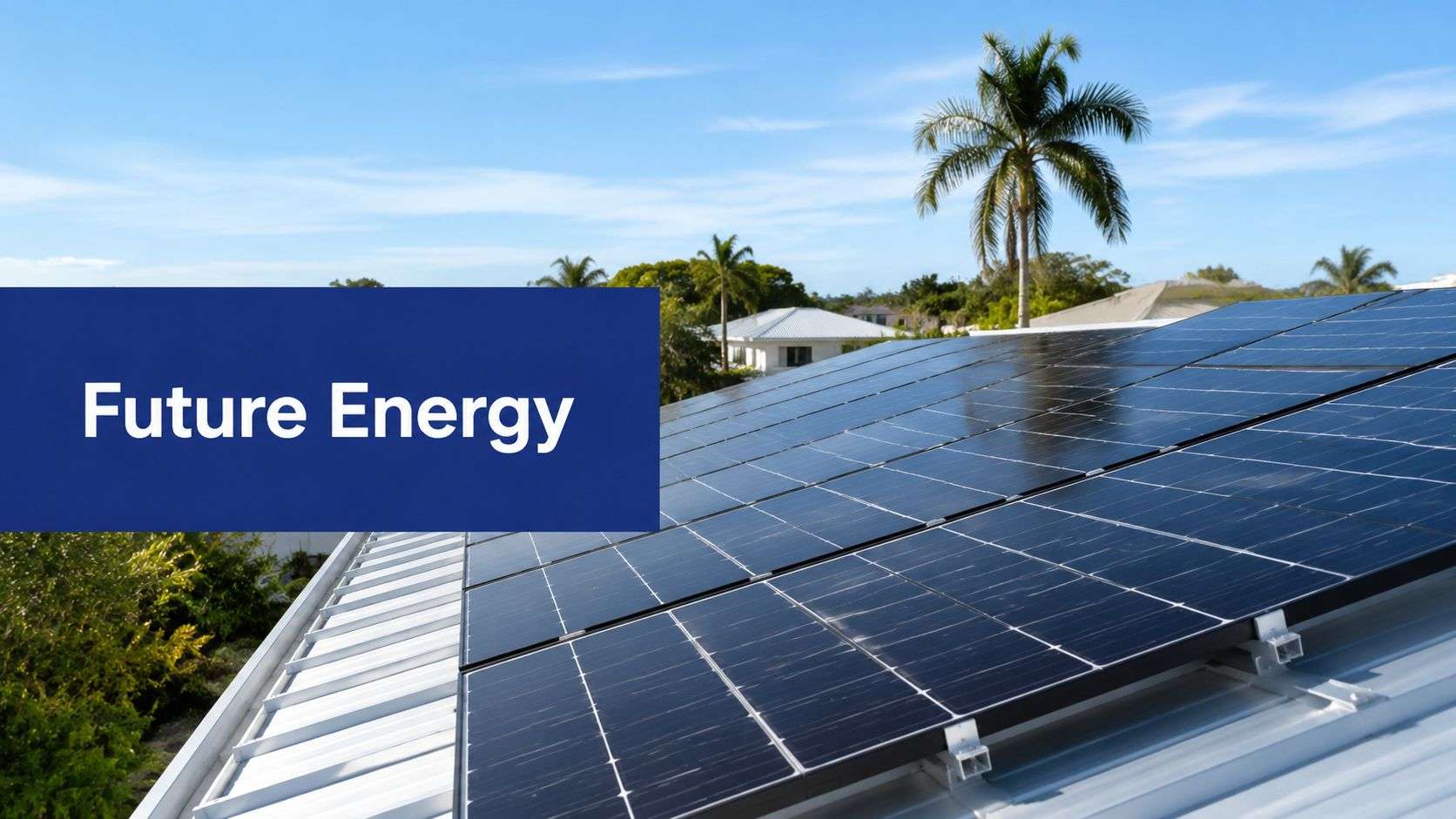
You’re looking at the same thing many Florida property owners look at every month. A high electric bill, a big roof, and a simple question: can that roof do more for me?
It can. But the wrong starting point is shopping for panels first. The right starting point is your roof.
In Florida, solar and roof decisions are tied together more tightly than anticipated. A strong solar project isn’t about module brand, panel count, or an attractive proposal. It’s about whether the roof can carry the system, resist our wind exposure, stay watertight, preserve warranties, and keep performing for decades.
That’s where many projects get de-risked or become expensive problems. A roof that looks “good enough” from the ground can still be the weak link. An owner can approve a solar design that pencils out on paper, then discover the roof needs major work, the mounting plan conflicts with waterproofing details, or the warranty language was never reviewed.
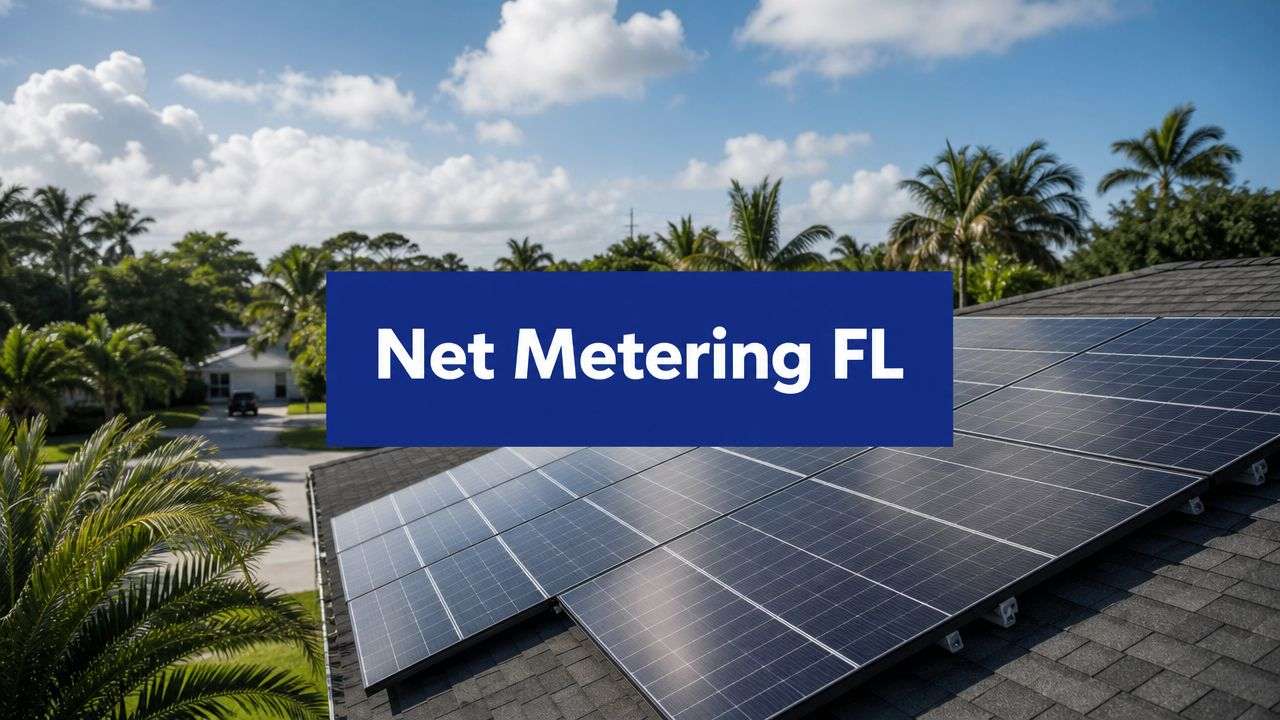
Florida owners are not alone in making this move. As of early 2025, nearly 4.7 million U.S. households have solar panels, and that figure is projected to double by 2030. Small-scale solar capacity also expanded 25% in 18 months, showing that rooftop solar is no longer niche but a mainstream energy choice that Florida property owners can approach strategically.
The Critical Link Between Your Solar Ambitions And Your Roof
A Florida homeowner in Clearwater sees a clean south-facing roof and assumes the hard part is over. A warehouse manager in Tampa sees thousands of square feet of flat roof and assumes solar is automatic. Both are starting with the right instinct and the wrong assumption.
Your roof is not the place where the solar system sits. It is the structural base, the waterproofing layer, the wind-exposed surface, and the asset that has to coexist with solar for decades. If the roof and array are not planned together, the project starts compromised.

That’s why a consultant’s view of solar and roof planning is different from a sales-first conversation. The first questions are not “How many panels fit?” or “What’s the payment?” The first questions are about roof age, condition, structure, drainage, penetrations, warranty status, and whether the owner wants simple bill reduction or outage resilience.
For homeowners, the roof-first approach avoids a common regret. For facility managers, it prevents a capital project from colliding with deferred maintenance. For both, it creates a cleaner path to ROI because fewer surprises appear after engineering starts.
A good project has these traits from the beginning:
- The roof and solar timelines match: The owner isn’t putting a long-life system on a short-life roof.
- The structural review happens early: Wind exposure, attachment zones, and loading are checked before layout assumptions harden.
- The warranty review happens before procurement: The owner knows what approvals or endorsements are needed.
- The energy goal is defined: Savings, backup power, peak demand reduction, and future battery integration do not lead to the same design.
Practical rule: If the roof condition is still a question mark, the solar proposal is still preliminary no matter how polished it looks.
Florida has strong solar potential, but that doesn’t erase issues like heat, humidity, salt exposure in coastal areas, and storm risk. Those conditions make roof due diligence more important, not less.
If you want a broader look at how rooftop solar performs in this state, this overview of the effectiveness of solar panels on Florida roofs is a useful starting point. Then come back to the roof itself, because that’s where the project either gains durability or loses it.
Evaluating Your Florida Roof’s Solar Suitability
A roof can look perfect from the driveway and still be the wrong place to put a 25-year solar asset. I see that in Florida all the time. The sales proposal looks strong, the production estimate looks fine, and then the detailed roof review starts uncovering brittle shingles, poor drainage, broken tile inventory, or shade that the satellite view missed.
That is why roof suitability has to be checked before anyone gets attached to system size, savings numbers, or battery add-ons. The roof is not a backdrop for solar. It is part of the system’s long-term risk profile.

Start With Roof Material
Roof type changes installation cost, attachment detail, maintenance access, and future repair difficulty.
Asphalt shingle roofs are common in Florida and often workable, but age matters. Shingles that are curling, brittle, or losing granules can still hold for a while as a roof, yet become a poor candidate once penetrations and installer foot traffic enter the picture.
Metal roofs give designers more flexibility, especially on profiles that allow attachment without excessive roof disturbance. The catch is profile compatibility. Standing seam is different from exposed-fastener metal, and the wrong hardware choice creates avoidable leak risk.
Tile roofs can support solar, but they require patience and a realistic budget. Fragility, replacement tile matching, and flashing execution all matter. On some homes, the roof can support solar structurally while still being a poor practical candidate because every future service call becomes slower and more expensive.
Flat and low-slope commercial roofs can be strong candidates when the membrane is in good condition and drainage is under control. For these buildings, insulation compressive strength, walkway planning, and the remaining life of the roof assembly matter as much as available square footage. The design community has documented how reflective roof membranes and appropriate insulation can help control roof temperature and support rooftop solar planning in commercial applications (commercial roof design guidance).
Age And Condition Matter More Than Most Owners Think
Owners ask whether the roof still has “a few good years left.” That is not the right threshold.
The better question is whether the roof is likely to stay serviceable for the expected life of the solar installation, or at least long enough to avoid an early tear-off and reinstall. If the answer is uncertain, the project still carries preventable risk. Anyone weighing that risk should also understand the labor and cost consequences of a later solar panel roof replacement.
A practical screening review should cover:
- Surface condition: cracked shingles, loose tiles, open seams, punctures, soft spots, and repeated patching
- Leak pattern: isolated historic repair versus recurring water entry in the same zone
- Drainage behavior: ponding, clogged drains, or water paths that could be blocked by racking
- Access and congestion: HVAC units, vents, skylights, hatches, and code-required pathways that reduce usable area
- Serviceability: whether technicians will have room to inspect and repair the roof after the array is in place
One sentence rule. If a roofer and a solar designer would give different answers about the roof’s remaining life, pause the project and resolve that gap first.
Orientation And Shade Determine Production Quality
A sound roof can still produce mediocre solar results. Orientation, tilt, and shading decide whether the output justifies the installed cost.
South-facing planes usually perform well in Florida, but east-west layouts can still make sense depending on utility rate structure, building load shape, and available roof geometry. For commercial sites, layout decisions balance total annual production against wind exposure, setback requirements, maintenance paths, and the need to avoid self-shading. The National Renewable Energy Laboratory’s PV system guidance remains a useful reference for evaluating orientation, shade, and site-specific performance assumptions (NREL PV system performance resources).
Shade review needs to be grounded in the actual site. Trees grow. Adjacent construction happens. Parapets and mechanical screens cast longer shadows than many owners expect, especially in morning and late afternoon hours. A clean satellite image is not enough for final decision-making.
For homeowners comparing whether the project still makes financial sense after all of these roof constraints are accounted for, this overview of the top benefits of solar panels in Florida is a useful next read. The key is to connect those benefits to the actual roof you have, not the ideal roof shown in a proposal rendering.
The Reroof Decision When To Replace Before You Install
Here, owners try to save money and accidentally increase lifetime cost.
If the roof is old enough to make you hesitate, that hesitation means something. Solar systems are built for a long service life. If you install one on a roof that is on borrowed time, you are stacking future labor, scheduling friction, and warranty complications into a project that should have been simpler.

Why Waiting Often Costs More
Owners frame reroofing as an extra cost. The better way to frame it is risk reduction.
Once panels, rails, wiring, and attachments are in place, reroofing becomes more disruptive. The system may need to be removed, stored, and reinstalled. That means multiple trades, more coordination, more potential for damage, and more time where your solar asset is offline.
The roof itself also changes under solar. A solar installation can add 3 to 4 lbs per square foot of dead load and increase roof temperatures, which can accelerate wear in materials such as asphalt shingles and may affect manufacturer warranties if the owner does not secure the right endorsement (roof and warranty considerations).
That detail matters in Florida because sun exposure and storm seasons already push roofing systems hard.
When Replacement Before Solar Makes Sense
A pre-solar reroof is the prudent move when any of the following are true:
- Repairs are recurring: A roof with a pattern of leaks is a poor candidate for a long-term mounted system.
- The roofing material is aging unevenly: Localized weak spots tend to become access headaches later.
- You’re already planning major work: Combining roof replacement and solar planning reduces rework.
- Warranty language is restrictive: Some manufacturers require specific approvals when rooftop solar is added.
For owners sorting through the logistics, a practical outside resource on solar panel roof replacement can help you think through sequencing and the removal-and-reinstall issue before you commit.
The cheapest way to handle an old roof is rarely the least expensive way to own a solar system over time.
For Florida homes, this is especially important with shingle roofs that have already seen years of UV, rain, and thermal cycling. For commercial buildings, deferred roof work comes back during procurement, when the structural engineer or roofing consultant flags issues that should have been addressed first.
If your project is residential, this Florida residential solar planning page is a useful reference for aligning the roof timeline with the solar timeline before equipment decisions harden.
Understanding Mounting Methods And Waterproofing
A Florida roof can carry a solar array for decades, or become a service headache in the first rainy season. The difference usually comes down to attachment design, roof-specific detailing, and whether the installer treated waterproofing as part of the engineering package instead of a field fix.
Mounting method starts with the roof assembly, not the panel brand.
On shingle roofs, installers typically use flashed penetrations anchored into framing. The key question is whether the attachment and flashing detail are approved for that roof type and installed in a way that sheds water naturally. A neat bead of sealant does not replace proper flashing.
On metal roofs, the correct approach depends on the panel profile. Standing seam roofs may allow clamp-based attachments that avoid penetrations in many cases. Exposed-fastener metal roofs are different. They require details that account for existing fastener lines, gasket condition, and long-term water entry risk.
On tile roofs, breakage risk changes the whole labor plan. Good crews use tile-specific mounts, replacement tile strategies where needed, and attachment details that protect both the underlayment and the finished roof surface. Tile jobs cost more to do correctly, and that is money well spent.
On flat commercial roofs, the decision is between mechanically attached and ballasted systems. That choice affects roof warranty terms, structural loading, wind design, and how the roofing contractor will service the membrane later. In Florida, wind exposure pushes projects toward more engineered attachment strategies and tighter coordination between the solar contractor, structural engineer, and roofer.
Waterproofing Is Built Into The Detail
Waterproofing should be shown in the plans and attachment package before the first crew gets on the roof. If the proposal only says penetrations will be “sealed,” the design is still incomplete.
Proper waterproofing depends on flashed assemblies, compatible materials, correct attachment spacing, and layout discipline. Placement matters. Attachments should avoid known weak areas, ponding zones, blocked drainage paths, and locations that make future roof repairs harder than they need to be.
I tell owners to ask for the attachment detail sheets before signing, not after install day is scheduled. That single step filters out a lot of weak proposals.
Use these questions during review:
- Where do attachments land? They should line up with structure and respect the roof system below the surface.
- What is the flashing method for each roof penetration? The answer should identify the actual hardware and detail, not a generic promise.
- Who confirms compatibility with the existing roof warranty? That responsibility needs a named party.
- How will roof drains, curbs, HVAC units, and service paths stay accessible? Maintenance access should be preserved on day one.
- What is the plan if a roof repair is needed later? Owners should know whether sections can be removed and reinstalled without major disruption.
Panel count gets too much attention. Serviceability matters just as much. A slightly smaller array with clear access lanes and better attachment spacing is a better long-term asset, especially on commercial roofs that will need inspections, drain cleaning, HVAC work, and periodic membrane service.
For owners comparing rooftop solar with storage, controls, and site-wide energy planning, this solar energy platform overview helps connect roof attachment decisions to the broader system architecture.
Navigating Florida’s Codes Permits And Warranties
A rooftop solar project in Florida is a construction project first and an energy project second. If that sounds backwards, it’s not. The roof, the structure, the plans, and the approvals all shape what can be built.
Codes And Permits Drive The Engineering
Florida jurisdictions do not permit rooftop solar on trust. They expect calculations, drawings, equipment information, and roof-specific details.
On commercial buildings, code compliance requires structural review, electrical review, fire access considerations, attachment details, and wind design assumptions that fit the building and its location. On homes, the package is smaller, but the same principle applies. If the permit set is weak, the field work gets weak too.
In practice, owners should expect these items to be addressed before work starts:
- Structural documentation: The roof must be shown capable of handling the proposed system.
- Electrical documentation: Equipment and interconnection details have to match the property’s electrical setup.
- Roof layout: Panels cannot be placed without regard to setbacks, service paths, and rooftop equipment.
- Municipal review: Local permitting requirements vary, and timelines can affect project sequencing.
For facility managers, the permit process reveals issues that sales proposals hide. Existing rooftop conditions, prior modifications, undocumented repairs, and equipment conflicts tend to surface once the formal review begins.
Warranties Need To Be Read Before Work Begins
The warranty side of solar and roof planning is where owners get surprised.
There may be a roof manufacturer warranty, a roofer workmanship warranty, equipment warranties for modules and inverters, and a separate workmanship warranty from the installation side. Those documents do not automatically work together.
Questions worth asking before signature:
- Does the roof manufacturer require approved attachment details or endorsements?
- Will a third party need to inspect the roof before or after solar work?
- Who owns leak responsibility if a problem appears near an attachment area?
- Are there restrictions on traffic, penetrations, or mounting method?
If nobody on the project has reviewed the roof warranty language line by line, assume there is still risk on the table.
This is also where independent review helps. A consultant can assess whether the proposed system fits the roof, the codes, and the warranty framework before field crews ever arrive. That is very different from trying to sort out responsibility after a leak claim or permit revision.
In Florida, owners who treat permits and warranties as paperwork end up revisiting them as cost items. Owners who treat them as design constraints make cleaner decisions earlier.
Pairing Solar With Storage For A Resilient Florida Future
Most Florida property owners begin with bill savings. That makes sense. But the more strategic question is what you want the property to do when the grid is unstable or down.
That question changes the system design.
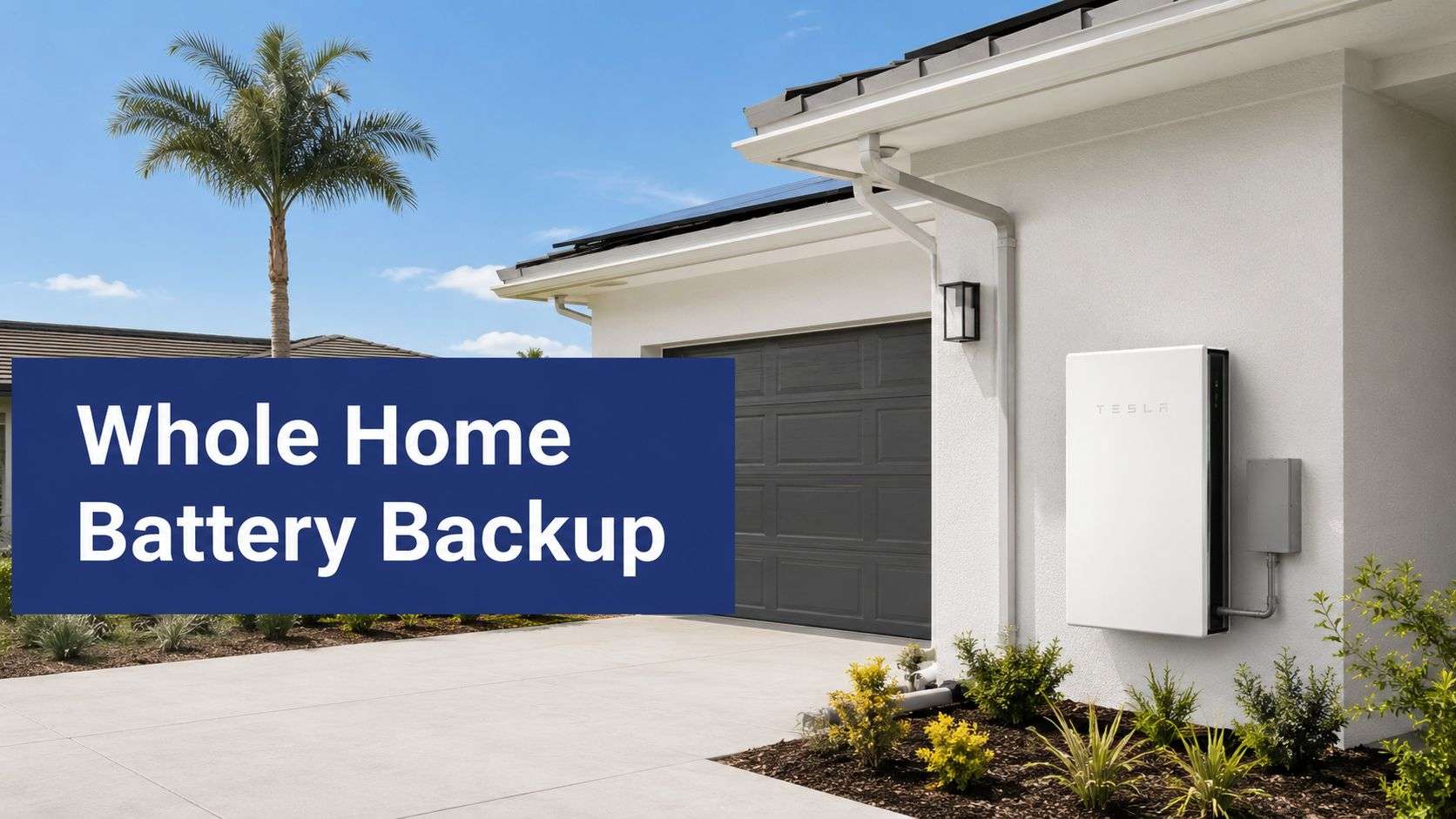
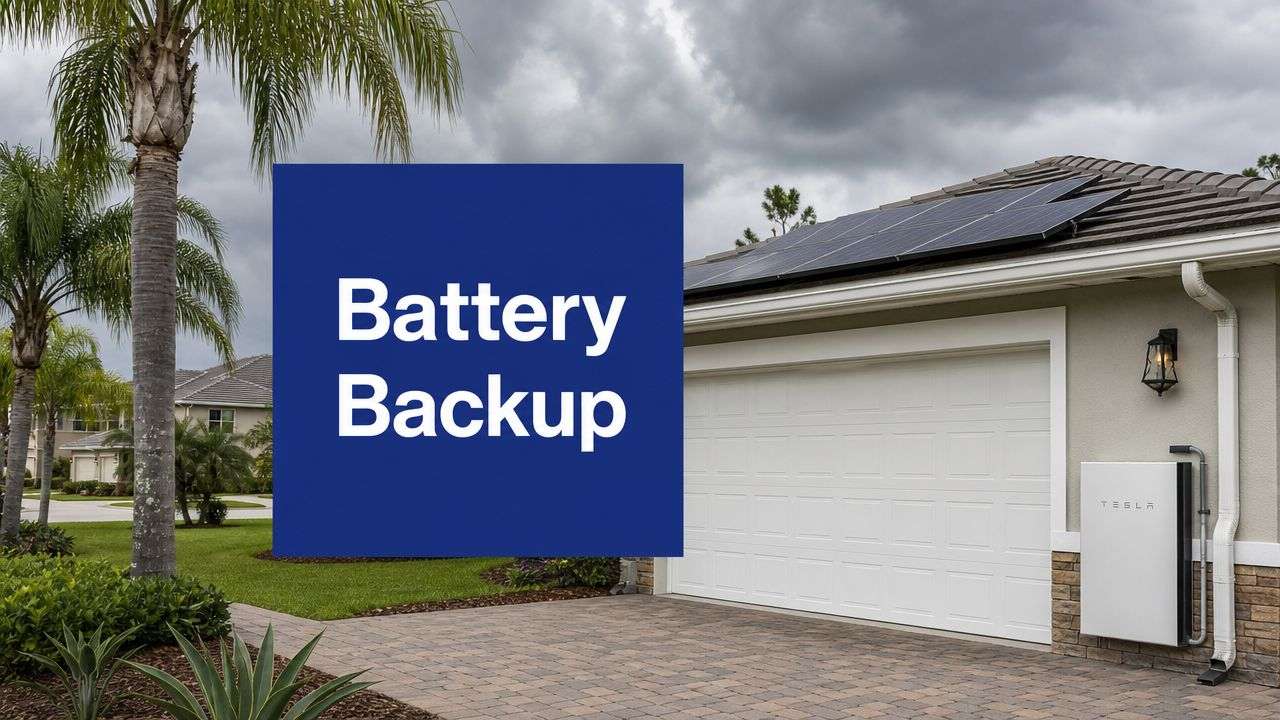
A standard grid-tied rooftop system can lower utility dependence. A solar-plus-storage system can also support critical loads during outages, depending on how the system is designed and what loads the owner chooses to back up. For homeowners, that may mean refrigeration, communications, lighting, and selective circuits. For businesses, it can mean preserving operations, protecting inventory, or keeping key systems online.
Why Resilience Changes The Value Equation
In Florida, resilience is not a niche preference. It’s part of energy planning.
Battery storage lets owners decide what matters most. Some want whole-home comfort for a limited period. Others want a focused backup strategy that protects only the essential circuits. Commercial clients care less about comfort and more about continuity, security systems, refrigeration, tenant support, and restart capability after an outage.
That difference matters because the roof system, electrical design, and storage strategy need to align. If an owner may want batteries later, the solar design should leave room for that path now.
A rooftop array that only saves energy is useful. A rooftop array designed for resilience becomes part of the property’s risk management plan.
For Commercial Properties The Roof Becomes Strategic Infrastructure
Commercial and industrial buildings in Florida have a large opportunity because so much viable rooftop area sits idle. Only about 3.5% of U.S. commercial and industrial buildings currently have rooftop solar, leaving 96.5% untapped. Full use of that roof space could add about 145 GW of solar capacity nationwide, according to Earth Finance and NREL analysis (commercial rooftop solar potential).
That matters in Florida because businesses don’t buy solar to offset consumption. They can use rooftop solar and batteries as the foundation for a more resilient operating model.
Examples include:
- Distribution facilities: Keep loading, communications, and key equipment functioning during outages.
- Multi-tenant commercial buildings: Support critical common-area loads and improve continuity planning.
- Industrial sites: Build toward a microgrid strategy where rooftop generation, storage, and controls are coordinated.
- Schools and nonprofits: Strengthen emergency readiness while reducing exposure to utility volatility.
For owners exploring that path, this resource on microgrids for homes and energy savings is useful because it frames resilience as a planning choice rather than an add-on purchase.
One practical note from the consulting side. Storage should not be bolted onto a roof-first discussion at the end. It should be considered early, alongside load priorities, electrical constraints, and where future equipment will live.
Your Florida Solar And Roof Action Plan
By this point, the main takeaway should be clear. A Florida solar project starts with roof intelligence, not panel shopping.
Owners who move carefully at the front end avoid the expensive surprises that show up later in engineering, permitting, or warranty disputes.

A Practical Checklist Before You Approve Anything
Use this sequence before you commit to an installation agreement.
- Collect your recent utility bills
You need a real usage baseline before anyone talks credibly about system size, savings, or storage. - Get a professional roof assessment
Confirm condition, remaining life, drainage concerns, prior leak history, and any weak areas. On commercial buildings, include structural review and roof documentation. - Decide whether reroofing belongs in phase one
If the roof timeline and solar timeline don’t match, address that now rather than after design is complete. - Define the project goal clearly
Decide whether your priority is bill reduction, backup power, demand management, future battery readiness, or some combination. - Review upgrade needs beyond the roof
Some properties need electrical panel work or enabling repairs before solar becomes practical. Federal initiatives like the EPA’s $7 billion Solar for All program are designed to cover enabling upgrades, including roof repairs and electrical panel enhancements, which can lower barriers for Florida property owners (Solar for All discussion). - Ask for designs, not just pricing
A serious proposal should reflect roof realities, not sales assumptions. - Plan for operations after commissioning
Monitoring, access, roof service, storm response, and cleaning all affect long-term performance. If you’re sorting out post-install upkeep, this guide on do solar panels need cleaning for peak performance is a practical maintenance reference.
What To Keep Monitoring After Installation
Once the system is live, owners should keep managing the roof and solar system as one asset.
Watch these items over time:
- Roof access control: Limit unnecessary foot traffic.
- Drainage and debris: Keep drains and water paths clear.
- Attachment-area inspection: Include these in routine roof checkups.
- Performance monitoring: Unexpected production drops should be investigated, not ignored.
- Future rooftop changes: Any new equipment or roof work should be coordinated with the solar layout.
If you want independent help with feasibility studies, roof-solar planning, ROI modeling, battery strategy, or coordinating with licensed implementation partners, Solar Energy Management LLC provides Florida-focused consulting for homeowners, businesses, and organizations that want to make data-driven solar decisions before committing to installation.