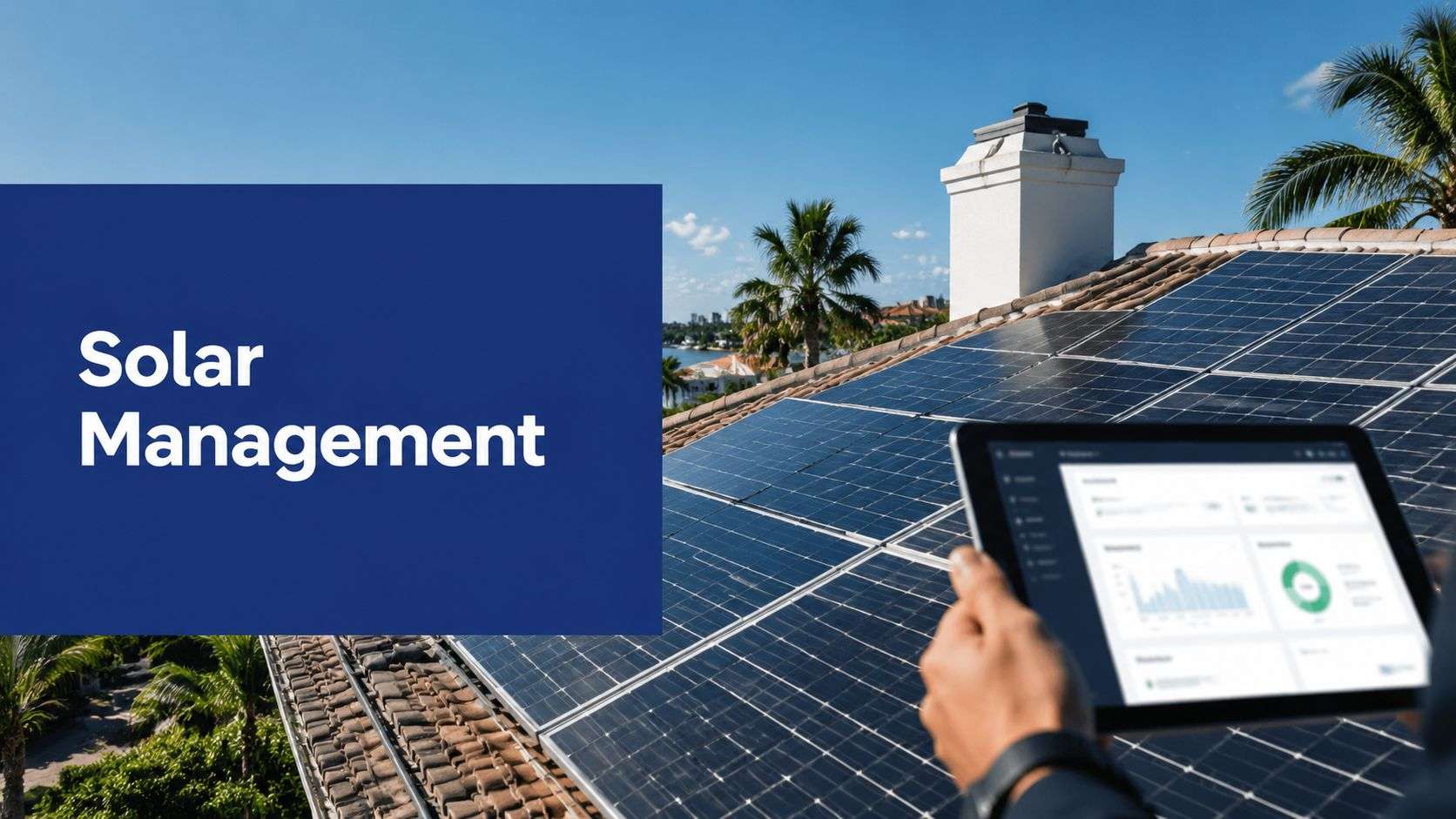
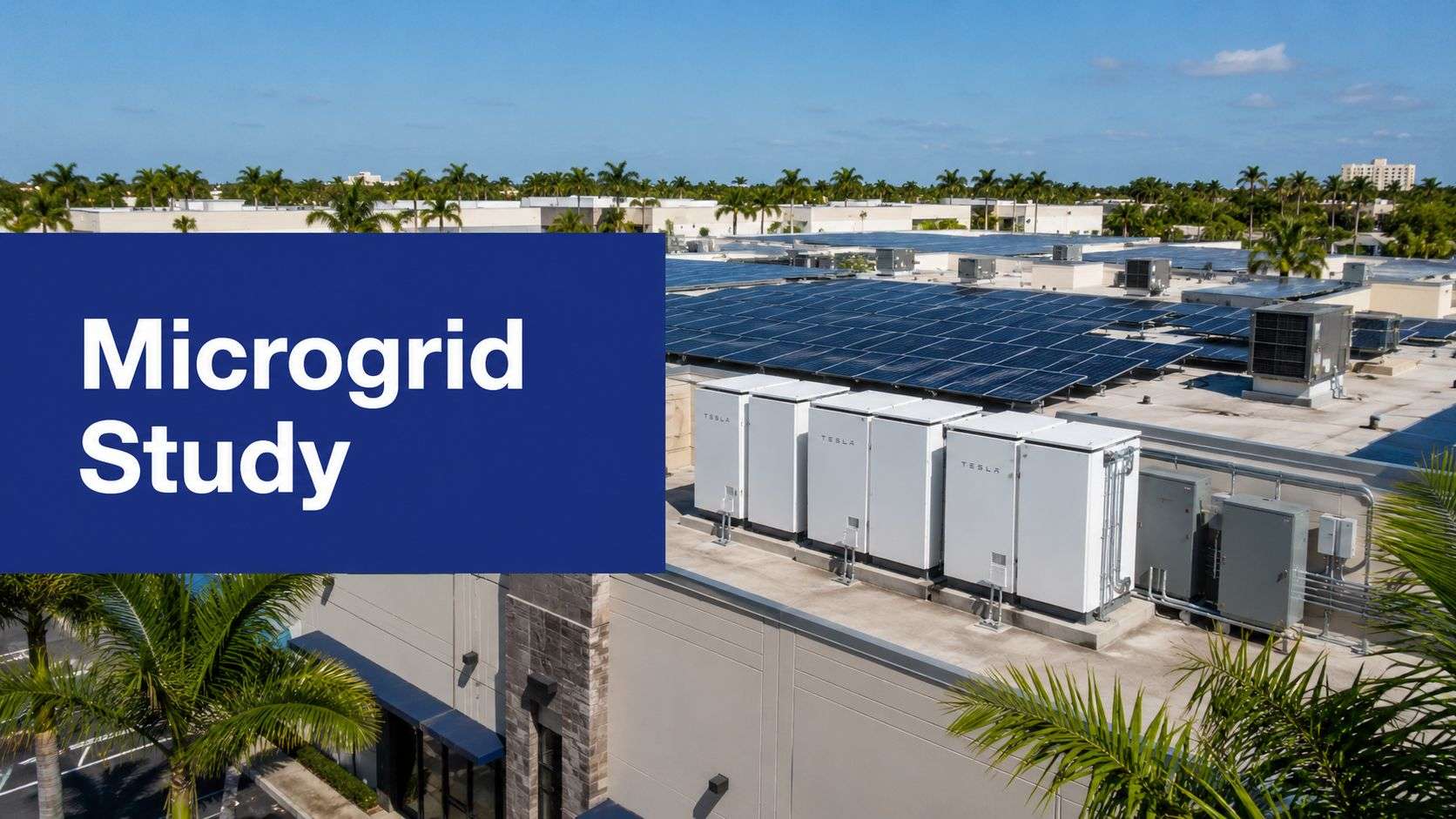
A lot of Florida owners reach the same point at the same time. The roof is aging, storm seasons feel less forgiving, and the power bill keeps climbing. Treat those as separate projects and you usually spend more, wait longer, and create avoidable rework.
A smarter approach is to plan solar roof replacement as one coordinated decision. In Florida, that means looking at structure, permits, insurance, wind exposure, and long-term utility savings together instead of buying roofing first and figuring out solar later.
Your Roof Replacement And Solar A Strategic Pairing
If your roof is already showing wear, adding solar without a larger plan can lock you into future removal costs, downtime, and warranty disputes. If your roof is due soon anyway, pairing the roof replacement and solar design usually creates a cleaner path.

Why Timing Matters In Florida
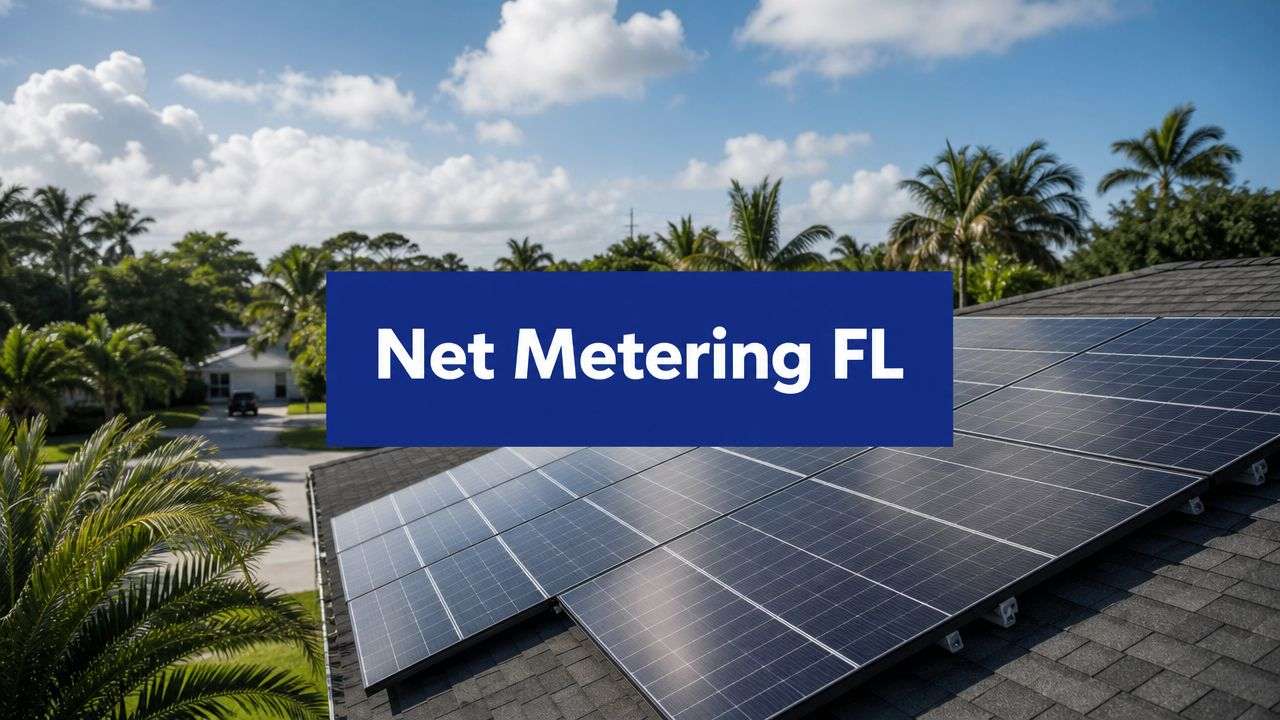
The financial window matters right now. The expiration of the 30% federal Investment Tax Credit at the end of 2025 is projected to cause a 33% year-over-year decline in U.S. residential solar installations in 2026, according to The Cool Down's reporting on the federal incentive shift. For Florida owners, that changes the math on whether to move before the deadline or accept a slower payback later.
That doesn't mean every property should rush into a project. It means you should make the decision with real planning, not with a roofing crew on site and no solar strategy in place.
A useful outside read on this specific sequencing question is should you replace your roof before solar. The logic applies well in Florida, especially when a roof has limited remaining life.
What A Strategic Pairing Looks Like
A combined project works best when the owner decides three things early:
- Project horizon: Are you planning around the next few years, or around the next few decades of ownership and operating cost?
- Roofing material choice: The roof system affects mounting options, hurricane resilience, maintenance access, and how smoothly the solar side integrates.
- Energy goal: Some Florida owners want lower monthly bills. Others want battery-ready infrastructure, outage support, or a pathway to a future microgrid.
Practical rule: If the roof and the solar system won’t age well together, don’t force them into the same timeline.
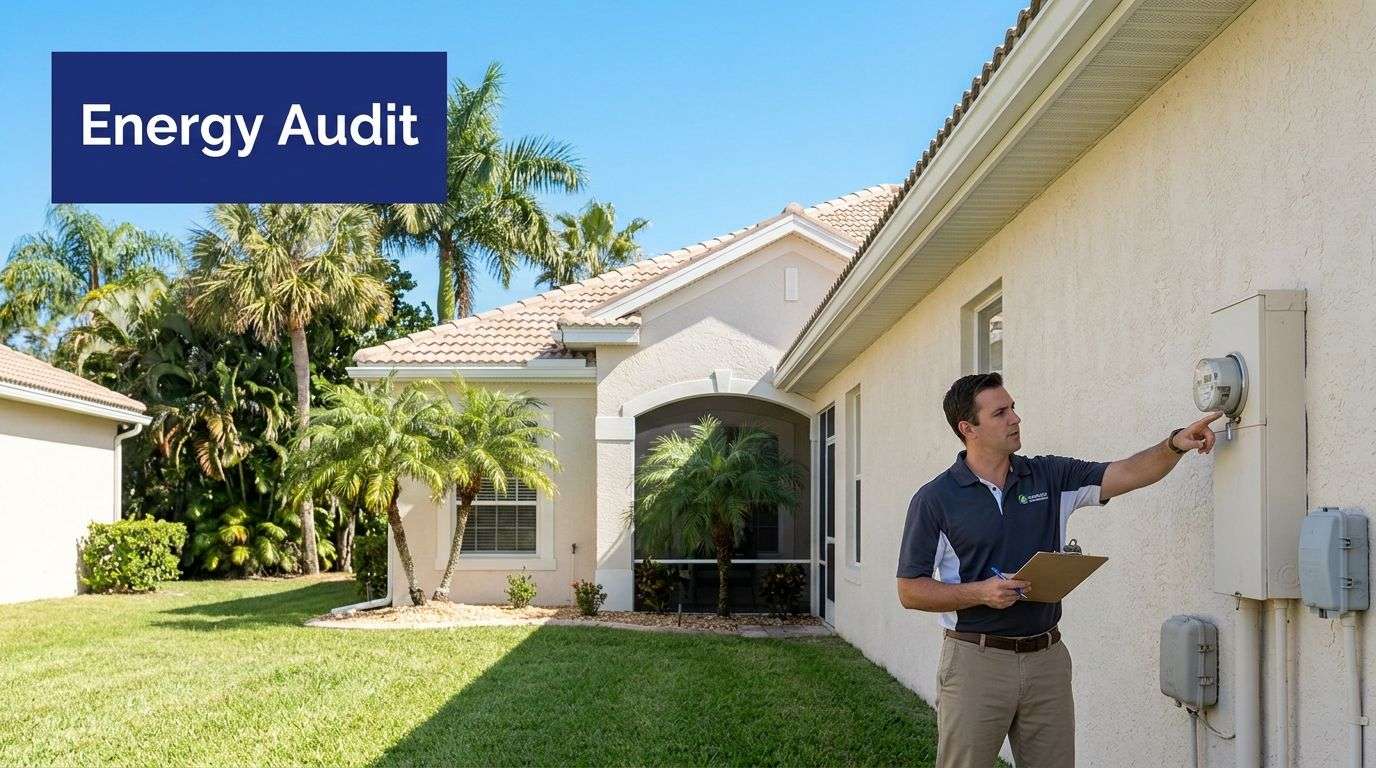
Consultant-led planning provides valuable assistance. Before anyone starts installation, the owner needs a roof condition review, a solar feasibility model, and a coordinated scope that keeps the roofing and electrical work from colliding. For a Florida-specific overview of how those scopes fit together, solar and roof planning is a useful reference point.
The owners who get the best outcome usually aren't chasing a product. They're reducing future disruption. That's the primary value of solar roof replacement in Florida.
Start With A Structural Health Check For Your Roof
The roof deck, framing, penetrations, and exposure conditions decide whether the project works. Solar equipment doesn't fix structural weakness. It adds another long-term system that depends on the roof being right.

A pre-installation assessment isn't optional. Pre-installation roof assessment and reinforcement is critical for solar roof replacement success, with 85-90% of failures traced to overlooked structural issues, preventing 20-40% energy losses and $10K+ rework costs, based on the analysis discussed by Cobex Construction Group on common mistakes during solar panel installation on roofs.
What The Assessment Should Cover
A real assessment goes beyond “the roof looks fine from the ground.” It should address the items that will affect performance, code compliance, and service life.
- Decking condition: Water-damaged or softened sheathing can undermine attachment points and create future leak paths.
- Framing capacity: Rafters and load paths need to be checked for the roof system and the solar mounting approach being considered.
- Existing penetrations and flashing: Skylights, vents, valleys, and prior repairs often reveal where future failures are most likely.
- Slope and sun access: Solar potential changes roof plane by roof plane. A technically installable surface isn't always an economically smart one.
- Storm readiness: In Florida, attachment planning and roofing details need to be considered with wind resistance in mind, not just energy production.
Questions Owners Should Ask Early
Many problems begin because owners ask for a quote before they ask for an evaluation. A better conversation starts with direct questions.
Ask the team reviewing your property:
- Is the current roof a candidate for solar, or is replacement the better financial move?
- What roof planes are worth using for production in Florida conditions?
- Will any decking, underlayment, or framing reinforcement be needed before solar is reinstalled?
- How will penetrations and flashing be detailed so the roofing warranty and solar scope don’t conflict?
If you're still figuring out whether the roof has reached replacement age, a practical homeowner resource on identifying roof replacement indicators can help you organize what you're seeing before you bring in specialists.
A roof can be “good enough” for another season and still be the wrong platform for a solar investment.
Detach And Reset Versus Shortcuts
When a roof is being replaced under an existing array, the standard method is full removal and later reinstallation. That process needs labeling, storage, protection of electrical components, and a re-commissioning plan. Owners who need that service can review how solar panel removal service typically fits into the broader roof replacement timeline.
What doesn't work is trying to roof around existing mounts or treating the array like an obstacle. That shortcut usually creates future leak exposure and leaves both trades blaming each other later.
The strongest projects begin with a blunt answer to one question: is this roof ready to carry a solar asset for the long haul? If the answer is uncertain, stop there and fix the roof first.
Solar Shingles Vs Traditional Panels On A New Roof
Once the roof structure is confirmed, the next decision is technology. In Florida, most owners choose between solar shingles integrated into the roof system or traditional solar panels mounted on top of the new roof.

The choice isn't just aesthetic. It affects roof coverage, serviceability, project sequencing, and how you value appearance versus output.
What Roof Coverage Tells You
A useful benchmark is footprint. Rooftop solar systems typically cover 20-40% of residential roof area, with a 23% median coverage for non-residential buildings as of 2023, as reported by Roofing Contractor's summary of rooftop solar efficiency and affordability trends. That matters in Florida because roof geometry, hips and valleys, vent placement, and shaded sections can narrow the effective usable area.
Traditional panels usually make the most of limited prime roof space. Solar shingles can make more visual sense on homes where curb appeal, HOA concerns, or architectural integration matter more than squeezing every bit of output from a given plane.
Side By Side Trade-Offs
Here’s how I frame the comparison for Florida properties.
- Traditional panels fit owners who prioritize output. They sit above the finished roof, are easier to identify and service, and often make more sense when the goal is stronger production from a constrained roof area.
- Solar shingles fit owners who prioritize integration. They create a more unified roof appearance and can be compelling on custom homes or projects where visible rack-mounted modules would be a design compromise.
- Maintenance differs. Mounted panels are generally simpler to isolate, remove, and replace as components age. Integrated systems may require more coordination because the energy layer and roofing layer are more closely tied together.
- Budget also points the choice. If you're evaluating this path, cost of solar roof shingles gives a helpful overview of why integrated products are usually considered differently than standard mounted arrays.
The best-looking system isn't always the best financial system. The highest-output system isn't always the right fit for the house.
When A Different Layout Is Better Than Either Roof Option
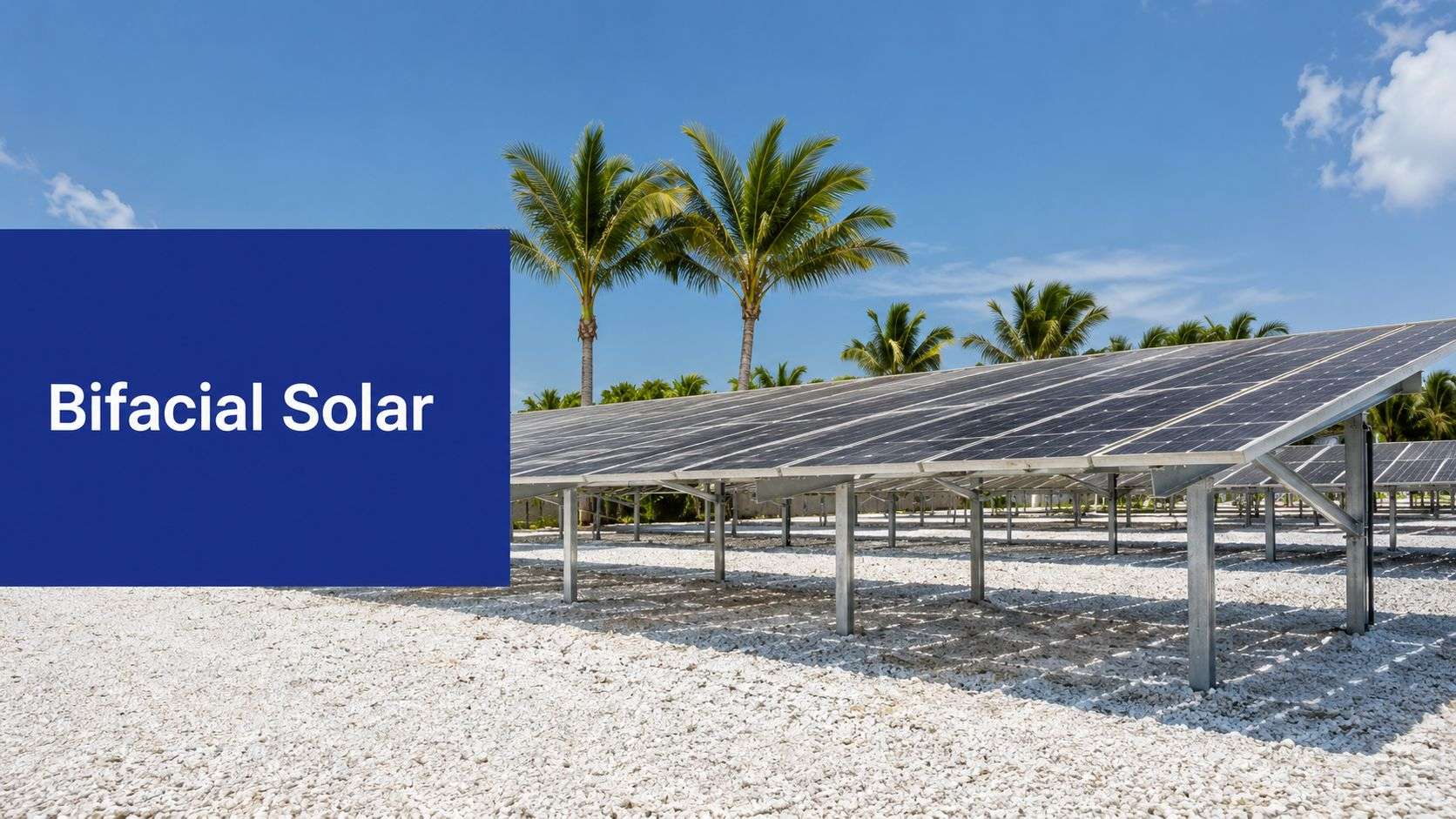
Some Florida sites have too much shading, too many dormers, or too little usable roof area to justify forcing solar onto the house. In those cases, a detached array can outperform a compromised rooftop plan. That's where ground-mount solar systems become part of the conversation, especially on larger residential lots or commercial properties with available land.
For most homes, though, the decision comes down to this. Choose traditional panels when production, easier servicing, and simpler economics lead the decision. Choose solar shingles when the roof itself is part of the design goal and you're willing to accept a different cost and maintenance profile to get that integration.
Navigating Florida Permitting And Contractor Coordination
A solar roof replacement can stall even when the design is sound. The usual failure point is coordination. Roofing, electrical, permitting, utility paperwork, and inspection sequencing all move on different tracks unless someone is actively managing them.
In Florida, delays aren't hypothetical. Permitting for roof and solar averages 60-90 days, and 2025 supply chain disruptions can delay installs by 4-6 months. Best practice is roof-first to avoid double labor costs, based on the planning guidance outlined by The Solar Era on roof angle and broader project sequencing considerations.
The Roof First Sequence
For most Florida properties, the cleanest sequence is straightforward.
- Replace or repair the roof to the agreed scope.
- Close out roofing inspections and confirm the final roof condition.
- Install the solar mounting and electrical equipment on the finished roof.
- Complete solar inspections, utility interconnection steps, and system commissioning.
That order reduces conflicts between trades. It also avoids the expensive pattern where one crew installs around assumptions that the other crew later has to undo.
Where Projects Go Wrong
Florida owners often run into the same coordination problems:
- Separate scopes with no single reviewer: The roofer assumes the solar designer has accounted for attachment locations. The solar side assumes the roofer has preserved every required detail. Neither assumption is safe.
- Permit timing mismatches: Roofing can move faster than solar approvals, leaving owners with a new roof and no clear installation date.
- Warranty gaps: If flashing, penetrations, or roof modifications aren't clearly assigned, owners can end up holding two warranties and no accountable party.
- Procurement drift: Equipment substitutions late in the process can affect layout, mounting details, and even conduit paths.
Why Consultant Oversight Matters
An independent consultant's role isn't to replace the licensed trades. It's to keep the project coherent. That means checking that the roof scope supports the solar scope, that the sequence makes sense, and that the owner's financial model still matches the actual installation plan.
For owners comparing implementation paths and firms, best solar companies in Florida can help frame what to evaluate. The right fit isn't just about price. It's about whether the team can coordinate roofing, electrical, structural, and permitting realities without pushing risk back onto the owner.
This is also the one place where early consultant involvement saves a lot of frustration. Solar Energy Management LLC works in that advisory role by handling feasibility, ROI modeling, design guidance, and coordination with licensed EPC partners so the owner can make decisions before construction begins.
If nobody owns coordination, the owner ends up owning the mistakes.
The Financial Picture Costs Financing And Insurance
Most owners start with installation price. That's understandable, but it isn't enough. In Florida, the more useful calculation includes roof timing, solar production, insurance response, resilience value, and how much future rework you're avoiding by bundling the work intelligently.

Look Beyond The Bid Price
A low quote can still be the expensive option if it ignores roof age, service access, or insurance consequences. That happens often when owners compare bids line by line instead of comparing lifecycle outcomes.
Your financial model should include:
- Roofing scope: Full replacement versus selective repair changes both durability and future solar service implications.
- Solar equipment path: Integrated shingles and rack-mounted panels have different cost structures and service patterns.
- Utility savings assumptions: These should be property-specific, not generic.
- Future repair exposure: If the roof and solar system are mismatched, later removal work can erase part of the expected benefit.
- Insurance impact: This is often missed entirely.
The Insurance Variable Most Owners Miss
For Florida properties, insurance can materially change the return. Replacing an aging roof with solar-integrated systems can lower insurance premiums by 10-25% in hurricane-prone Florida due to enhanced durability and wind resistance, according to the analysis discussed by Weather Shield Roofers on roof pitch, solar, and insurance considerations.
That matters because insurance savings are recurring. They also connect directly to risk reduction, which is especially relevant in coastal and high-wind parts of Florida.
A resilient roof can improve the economics twice. Once through energy, again through reduced risk.
Build The ROI Around Florida Conditions
A realistic model should reflect how Florida owners use these systems. Some want bill reduction. Some care more about backup power planning and storm resilience. Commercial owners may care about operating cost stability, tenant expectations, or facility continuity.
That’s why incentive planning still belongs in the model. If you're reviewing available programs and tax treatment at the state level, Florida solar incentive is the right place to start before you compare financing structures.
The strongest solar roof replacement decisions aren't made from a sales proposal alone. They're made from a full ownership model that includes the roof, the array, the permitting timeline, the insurance file, and the risk of doing the job in the wrong order.
Your Solar Roof Replacement Questions Answered
Should You Replace The Roof Before Adding Solar
If the roof is aging or already showing signs of failure, yes. The core issue isn't whether panels can be installed today. It's whether the roof can support the solar asset without forcing premature removal later. In Florida, that question needs to be answered before layout and equipment selection move too far.
Are Solar Shingles Better Than Traditional Panels
Not automatically. Solar shingles are often chosen for appearance and integration. Traditional panels are often chosen for output, easier service access, and more straightforward maintenance. Better depends on the roof design, the owner's priorities, and whether aesthetics or production carries more weight in the decision.
How Do Roofing And Solar Warranties Work Together
They only work well when responsibilities are clearly assigned before installation. Owners should ask who is responsible for penetrations, flashing details, detach-and-reset procedures, and any later work that touches both systems. If those boundaries aren't written down, warranty disputes are much more likely.
What Hurricane Related Questions Should Florida Owners Ask
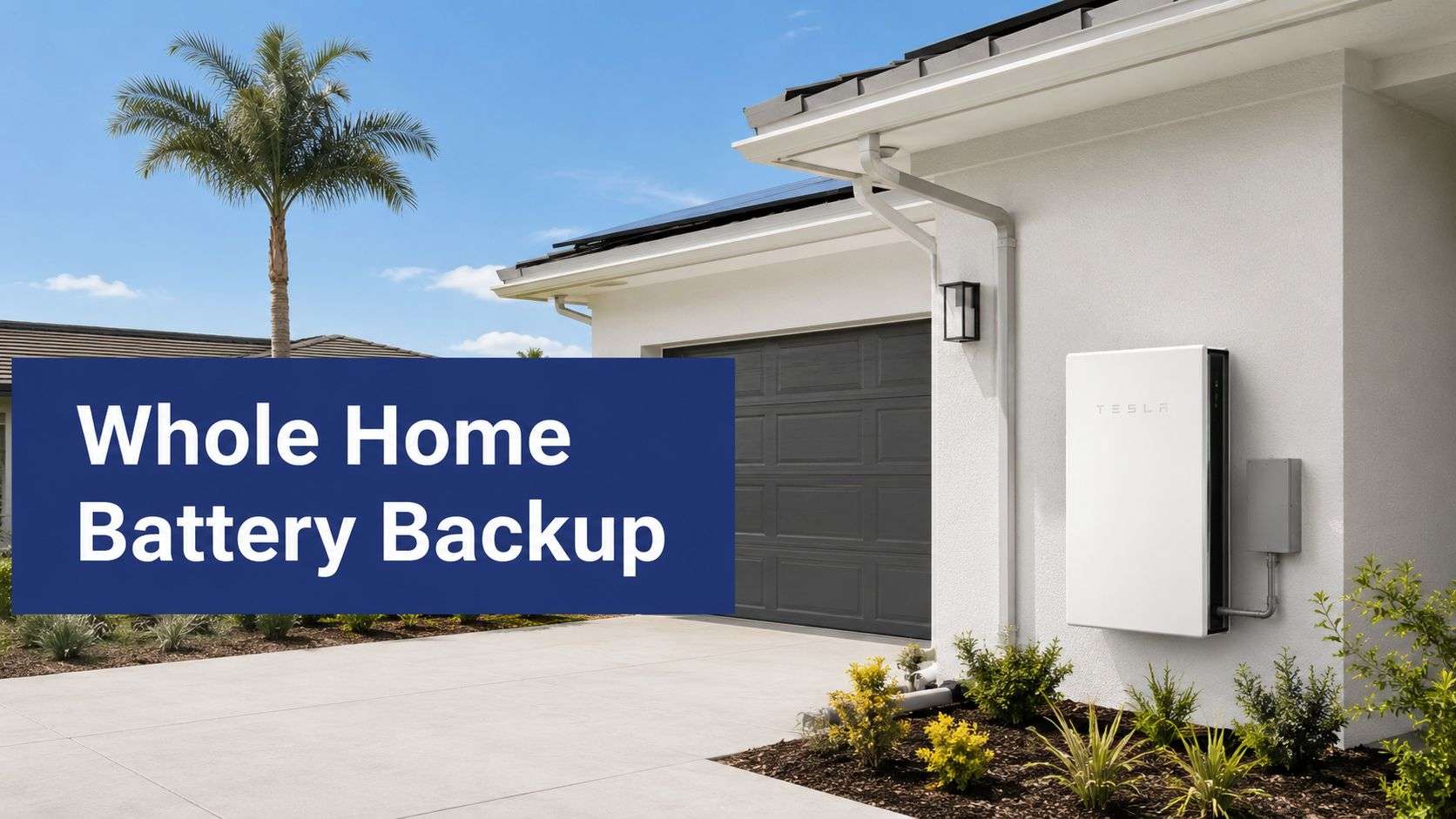
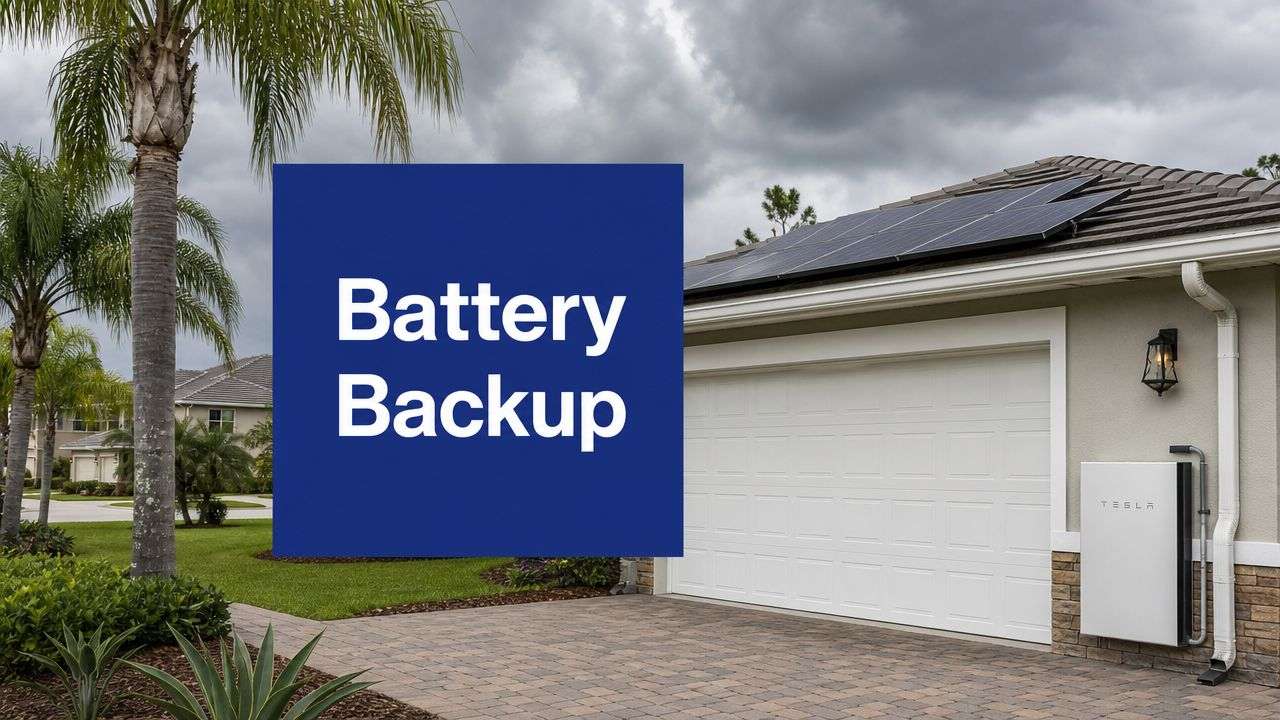
Ask whether the roofing assembly, attachment approach, and solar layout were designed with Florida wind exposure in mind. Ask how the team handles roof penetrations, uplift concerns, and inspection sequencing. Also ask how any battery or backup components will be located and protected if resilience is part of the plan.
What Does An Independent Solar Consultant Actually Do
A consultant helps the owner evaluate feasibility, system sizing, return on investment, project sequencing, and partner coordination before construction starts. That role is different from selling equipment. The value is in reducing blind spots, checking assumptions, and keeping the roofing and solar scopes aligned with the owner's financial goals.
What Is The Biggest Mistake In Solar Roof Replacement
Treating it like two unrelated jobs. That's when owners get rushed decisions, mismatched scopes, and avoidable warranty friction. A Florida project works better when the roof, the solar system, the permits, and the insurance implications are reviewed as one package.
If you're weighing a roof replacement and solar project in Florida, Solar Energy Management LLC can help you evaluate the structure, model the ROI, coordinate the roofing and solar scopes, and make the decision with clear numbers instead of guesswork.