You're probably looking at a Florida solar proposal right now and trying to decode a line item that feels more technical than it should: string inverter. The panels make intuitive sense. They sit on the roof and collect sunlight. The inverter is the part many property owners skim past, even though it has a huge effect on system performance, battery options, maintenance, and long-term return.
That's a mistake I see often in Florida. A homeowner focuses on panel brand, a business owner focuses on payback, and the inverter gets treated like a commodity box on the wall. It isn't. The inverter is the part that turns your panels' raw output into power your property can use. It also shapes how your system behaves when a section of roof gets shade, when you want battery backup, and when you're thinking beyond the first few years into the full life of the investment.
A solar string inverter can be an excellent fit in Florida. It can also be the wrong fit. The difference usually comes down to roof layout, shading, future battery plans, and whether you're evaluating total ownership cost instead of just upfront price.
Your Introduction to the Solar String Inverter
A solar proposal can feel like it was written for engineers. You'll see terms like DC, AC, MPPT, rapid shutdown, optimizer, and hybrid inverter. Most of that jargon gets easier once you understand one simple idea.
A solar string inverter is the central brain of many Florida solar systems.
Your panels produce electricity in a form called direct current, or DC. Your home or commercial building uses alternating current, or AC. The string inverter sits between those two realities and handles the conversion so the solar energy on your roof becomes useful power inside your property.
Why This One Component Matters So Much
If the panels are the collectors, the inverter is the decision-maker. It manages how groups of panels work together. It affects how efficiently the system runs in real conditions. It can also influence where equipment gets mounted, how easy the system is to service, and how well the setup integrates with backup batteries.
For Florida owners, that matters for practical reasons:
- Roof conditions vary a lot: Some properties have broad, open sun exposure. Others have live oaks, palms, neighboring buildings, chimneys, or multiple roof faces.
- Storm resilience matters: Many people aren't just chasing lower bills. They want backup power options during outages.
- Long-term cost matters more than brochure pricing: A lower starting price can still lead to a weaker long-run outcome if replacement planning gets ignored.
A good inverter choice isn't about buying the “best” technology in the abstract. It's about matching the technology to the roof, the budget, and the backup goals.
What Most Florida Buyers Really Want to Know
Most savvy buyers aren't asking for a physics lesson. They want answers to a few grounded questions:
- How does a string inverter work?
- Will shading hurt production on my roof?
- How does it compare with microinverters?
- Can it work well with battery storage in Florida?
- What will it really cost me over the full life of the system?
Those are the right questions. Once you answer them clearly, the inverter stops being mysterious and starts becoming a straightforward design decision.
How a String Inverter Works on Your Florida Roof
A Florida homeowner with a wide, sunny roof often sees a string inverter system and thinks, "Simple enough." That instinct is usually right. The catch is understanding where that simplicity helps you financially, and where it can cost you later if the roof has shade or the replacement timeline gets ignored.

A string inverter works like a central engine for a group of panels. Several panels are wired together in series to form a string. That string sends DC electricity to one inverter, usually mounted on an exterior wall, in a garage, or near the main electrical equipment. The inverter then converts that DC power into AC power your property can use.
On a practical level, the flow looks like this:
- Sunlight hits the panels and they produce DC electricity.
- Panels are wired together in a string so voltage adds up across the group.
- The string inverter receives that combined DC power in one central location.
- The inverter converts DC to AC for your home, business, and utility interconnection.
- Monitoring equipment records performance so you and your installer can spot problems.
The easiest analogy is a garden hose system. Each panel contributes to the flow, but the string behaves as one connected line. That design keeps the equipment layout simpler than panel-by-panel conversion, which is one reason string inverters often start with a lower installed cost.
What “String” Actually Means on a Real Roof
“String” does not mean your entire solar array is treated as one single lump. Many modern systems divide panels into separate strings, and the inverter may manage more than one string or MPPT channel. That matters on Florida roofs with two roof faces, a detached garage, or a small area that gets light afternoon shade.
Still, panels within the same string have to work together. If one panel's output drops, the whole string can be affected unless the design uses module-level optimization or the shaded panels are isolated onto their own string.
That is why roof layout matters before anyone talks price.
If your shingles or tile are near the end of their life, or if the best solar area is broken up by hips, vents, or dormers, the inverter decision becomes a roof decision too. A simple visual reference like Paletz Roofing Inspection helps frame that part of the planning process.
What MPPT Does
Maximum Power Point Tracking, usually shortened to MPPT, is the control logic that helps the inverter pull the best available output from a string under current conditions.
A bicycle analogy helps here. If you stay in the wrong gear, you still move, but not efficiently. MPPT keeps adjusting the electrical operating point so the panels stay closer to their most productive range as sunlight and temperature change through the day.
That matters in Florida because roof temperatures climb fast. Strong sun does not always mean panels are operating at their ideal electrical point. MPPT helps the inverter respond to those changing conditions instead of staying fixed in a less productive setting.
If you want more background on how inverter selection affects layout, equipment placement, and overall system design, this guide to inverter and solar installation decisions gives a useful overview.
Where String Inverters Work Well
String inverters usually make the most sense on roofs with long, open sections of consistent sun. Picture a South Florida concrete tile roof with one broad plane facing the right direction and very little shade after 9 a.m. In that situation, grouping panels together is often efficient, easy to service, and cost-effective.
The tradeoff is also straightforward. A string inverter manages groups, not each panel individually. If one panel in a string is regularly dragged down by shade, debris, or a mismatch in performance, the output of that string can drop with it. The National Renewable Energy Laboratory explains common inverter roles and system behavior in its overview of solar photovoltaic system components.
For Florida property owners, that is not just a technical footnote. It affects annual production, which affects bill savings, which affects the long-term math. And over a 25-year ownership period, the inverter itself may need replacement before the panels do. That future cost is easy to miss when a lower upfront quote looks attractive on day one.
String Inverters Versus Microinverters in Florida
A Florida homeowner in Tampa gets two solar quotes. One shows a lower upfront price with a string inverter. The other costs more and uses microinverters. On paper, the gap looks simple. Over 25 years, it often is not, because the right choice depends on how your roof behaves in heat, shade, and storm-season conditions, and because inverter replacement costs do not arrive on the same day as the original install.

Architecture and Serviceability
A string inverter works like one central engine for a group of panels. The panels send DC power to a single inverter, usually mounted in an accessible location near the meter, garage, or equipment wall. That setup often keeps the system simpler to service because the main conversion equipment is off the roof.
Microinverters split that job across the array. Each panel gets its own small inverter under the module. That panel-by-panel design can be helpful on roofs with multiple faces, uneven sun exposure, or a mix of panel orientations.
For Florida owners, the practical question is not which design sounds more advanced. The better question is where your future service work is most likely to happen, how much uneven roof production you expect, and whether the lower day-one price could be offset later by lower energy harvest or a mid-life equipment swap.
Clearing Up the "Christmas Lights" Comparison
The old Christmas lights analogy leaves out too much. Modern string inverter systems do not usually shut down the entire array because one panel has a problem.
A better comparison is a team pulling a rope together. If one panel in a string is underperforming because of shade, dirt, or mismatch, the group can still work, but that string may not perform as well as it would under uniform conditions. Microinverters reduce that group effect because each panel converts power on its own.
That distinction matters more in Florida than many sales pitches admit.
Why Florida Roofs Change the Math
Florida roofs are often less uniform than they appear from the street. Hips, valleys, vents, chimneys, second-story sections, and palms or oak trees can create shifting shade patterns across the day and across seasons. A roof that looks "mostly sunny" at noon may still have production losses in the morning or late afternoon that affect annual savings.
Fronius explains in its review of common string inverter myths and shading performance that modern string systems are far better than the old all-or-nothing story suggests, but roof complexity still affects output. That is why a proper solar panel shading analysis for a Florida roof should happen before inverter selection, not after the contract is signed.
On a broad, open roof plane, a string inverter often performs very well and preserves more of your budget for the rest of the project. On a roof with multiple orientations or recurring partial shade, microinverters can protect more production over time. In Florida, that extra production can matter for decades, especially as utility rates rise and summer air-conditioning demand stays high.
A Practical Way to Compare the Two
Use this framework when reviewing proposals:
- String inverters usually fit better when the roof planes are large, sun exposure is consistent, and you want a lower upfront equipment cost with a centralized service point.
- Microinverters usually fit better when the roof has mixed orientations, recurring partial shade, or you want panel-level monitoring and more independence across the array.
- Either option deserves a closer review when the quote focuses only on purchase price and skips the 25-year ownership picture, including likely inverter replacement timing, service access, and lost production from roof complexity.
For many Florida properties, this is not really a technology contest. It is a long-term cash flow decision tied to your roof geometry. The lower-priced option can still be the better investment, but only when the roof gives a string inverter the conditions it needs to do its best work.
When to Choose a String Inverter for Your Property
Some properties are almost built for a string inverter. Others fight it from day one.

Good Candidates in Florida
A string inverter often fits best when the roof or site is simple and predictable. Think of the kinds of properties where the panels can all work under similar conditions for most of the day.
That usually includes:
- Large open roof planes: A single dominant roof face with minimal interruptions makes grouping panels into strings straightforward.
- Ground-mounted arrays: Open land with stable sun exposure is one of the cleanest use cases for string architecture.
- Commercial roofs with uniform layout: Flat or broad roof areas often support efficient centralized inverter design.
- Properties planning battery integration: Many Florida systems pair well with string-based storage designs, especially when the equipment layout is planned early.
When a String Inverter Usually Isn't the Best Fit
Florida roofs aren't always simple. Dormers, hips, valleys, vents, and different roof sections can force panels into mixed orientations. Mature trees can also create moving shade patterns that don't show up well in a quick sales estimate.
These are the situations where I'd slow down before approving a string-based design:
- Complicated roof geometry that splits panels across several planes.
- Regular afternoon shade from oaks, palms, or neighboring structures.
- Properties where maximizing every bit of production matters more than minimizing upfront equipment cost.
- Sites likely to expand in small stages instead of installing a well-defined system all at once.
A Short Rule of Thumb
Use a string inverter when your roof allows the panels to behave like a team. Avoid it when the roof forces each panel to live a different life.
That sounds simple, but it's the cleanest mental test I know. If one side of the array gets excellent sun while another side gets shifting shade, the whole grouped approach becomes less attractive. If the site is consistent, the centralized approach becomes much easier to justify.
Pairing String Inverters with Battery Storage
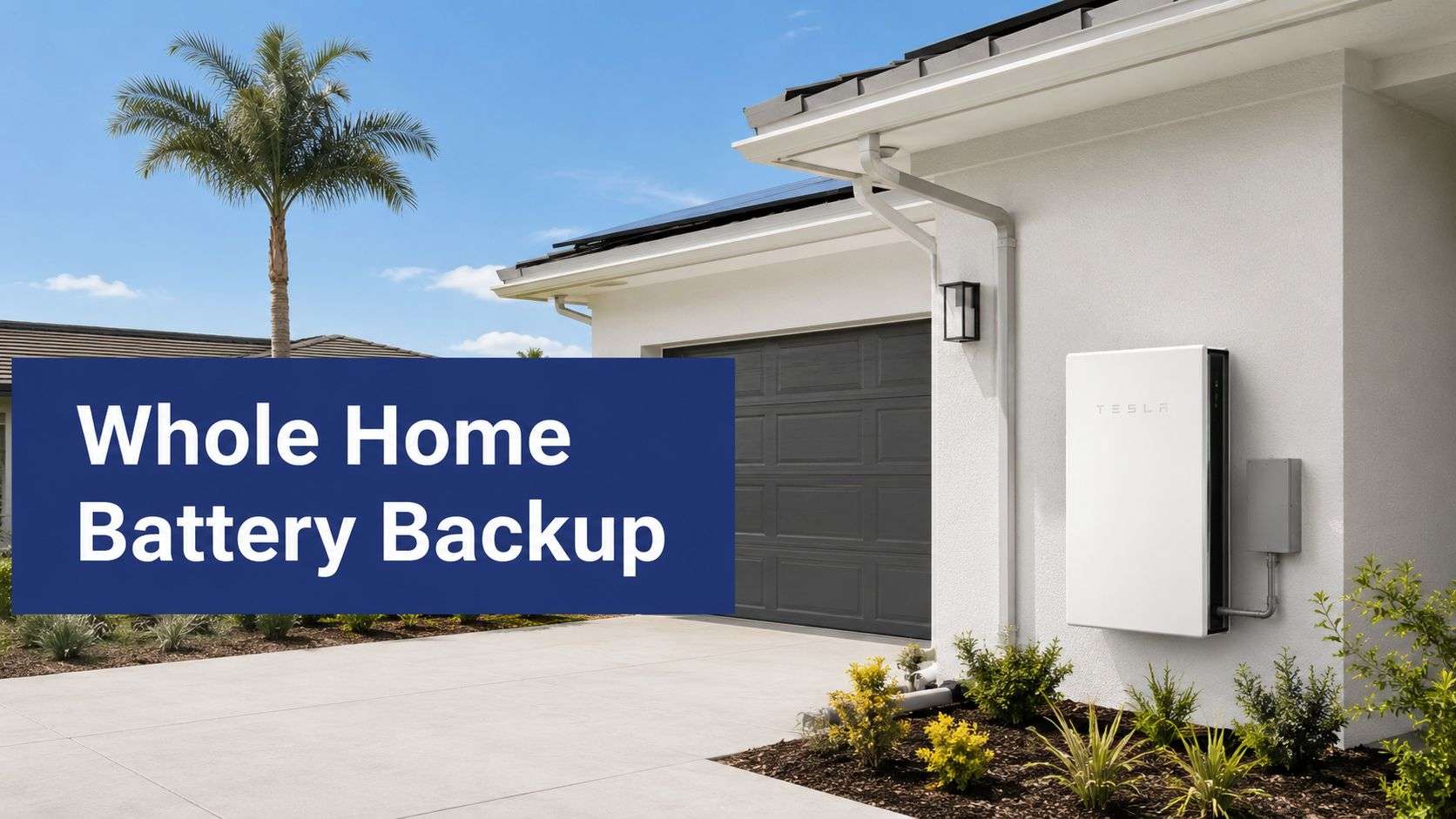
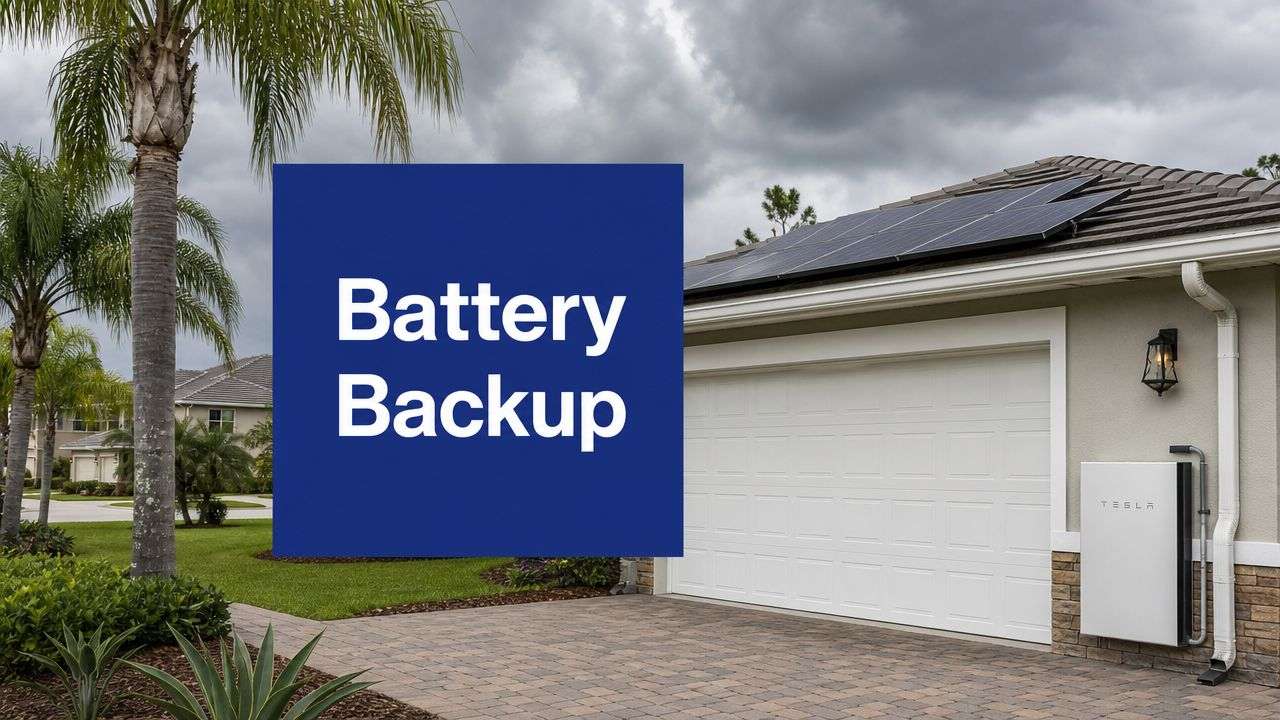
In Florida, battery storage isn't just a lifestyle upgrade. For many owners, it's part of storm preparation. That changes the inverter conversation.
A string inverter isn't only about converting solar power. In the right design, it can become the traffic manager between your panels, your building, your battery, and the grid.

Why This Matters in Florida
A lot of Florida owners want two things from one project. They want lower utility dependence during normal operation, and they want some level of backup power during outages.
That means the inverter has to do more than convert energy. It has to work as part of a larger control strategy. It needs to coordinate solar production, battery charging, home or building loads, and grid interaction.
A useful starting point is understanding your storage options early. This overview of battery storage for solar in Florida helps frame those decisions before equipment gets locked in.
Safety and Rapid Shutdown
Florida projects also have to satisfy safety requirements. In Florida, rapid shutdown requirements are met by string inverters using module-level power electronics, and that setup often results in lower system costs while providing flexible integration with popular battery solutions, according to Florida Solar Design Group's explanation of inverter choice and battery options.
That matters because many buyers assume battery-ready design automatically means they need a completely different inverter architecture. Often, they don't. A well-designed string-based system can remain code-conscious and storage-friendly.
Design Questions That Matter More Than Brand Hype
Battery planning is where a lot of proposals get fuzzy. The marketing sounds strong, but the design details are what determine whether backup performs the way you expect.
Ask about:
- Critical loads: Which circuits stay on during an outage?
- Inverter sizing: Is the inverter matched to the solar array and intended battery use?
- Battery integration path: Is the system designed cleanly now, or is “battery ready” being used loosely?
- Equipment location: Is the inverter accessible and protected in a sensible spot for Florida conditions?
Backup power starts with load planning, not with a battery brochure.
What a Good Battery Pairing Looks Like
A solid Florida design makes the power path easy to understand. Solar generates. The inverter converts and directs. The battery stores excess energy or supports selected loads during an outage. The owner knows what will run, what won't, and how the system will behave when the grid drops.
That clarity is far more valuable than a generic promise of energy independence.
Calculating the True 25-Year Cost and ROI
The biggest selling point of a string inverter is usually the simplest one. It often costs less upfront than alternatives.
That's real. It's also incomplete.
Florida property owners should evaluate inverter choice over the life of the solar asset, not just at the time of purchase. Panels are long-lived equipment. Inverters are not always on the same timeline. That mismatch can change the economics more than many proposals acknowledge.
The Mid-Life Cost Most Proposals Gloss Over
The critical issue is lifespan mismatch. The panels may remain in service far longer than the original string inverter. That means your financial model should include the likely cost of replacing the inverter during the project's life.
The mismatch between string inverters at 12 years and panels at 25 years can force homeowners to budget a $1,500 to $2,500 replacement expense around year 12, which can reduce long-term ROI by 8% to 12%, according to this engineering guide on string versus microinverter lifetime economics.
That's the hidden cost angle many Florida buyers miss.
How to Think About ROI More Realistically
A better financial review includes more than contract price. It should account for:
- Net installed cost after incentives: In Florida, the federal Investment Tax Credit provides a 30% discount on total system cost after filing with the IRS, as described in Semper Solaris Florida's solar tax credit overview.
- Expected inverter replacement timing: Don't assume the original unit lasts as long as the array.
- Roof-specific performance: Production estimates only matter if they reflect actual shade and orientation conditions.
- Battery plans: A future storage upgrade can affect current design value.
- Commercial tax treatment: Business owners should also review depreciation strategy with their tax advisor as part of the complete model.
If you're comparing proposals, this breakdown of residential solar system cost factors in Florida gives a better framework than a headline price alone.
A Better Way to Read a Proposal
When one proposal is cheaper, ask why. If the answer is “string inverter,” that may be fine. But then ask the next question. What does that mean at year 12? If that answer is missing, the savings case is unfinished.
The cheapest proposal at signing isn't always the lowest-cost system over the full life of the project.
For Florida owners focused on long-term value, that distinction matters. A string inverter may still be the right decision. It just needs to be chosen with eyes open, not because the proposal made the first number look attractive.
Maintenance and Key Questions for Your Solar Consultant
One reason many owners like string inverters is serviceability. There's usually one main unit in an accessible location, which can simplify diagnostics and replacement compared with electronics spread across the roof.
Still, reliability planning belongs in the conversation. String inverters have an estimated annual failure rate between 0.5% and 2% and an expected operational lifespan of around 12 years, according to Aforenergy's guide to string solar inverter reliability. That doesn't make them a bad choice. It means warranty terms and replacement planning matter.
A side note on maintenance thinking. Even though Florida conditions differ from desert climates, it's useful to see how environment affects solar upkeep. This article on solar panel cleaning for Arizona's dusty areas is a good reminder that local conditions always shape maintenance strategy.
Before signing, ask your consultant these questions:
- How did you model shade on my exact roof?
- What happens to production if one roof plane underperforms?
- What's the inverter warranty, and what happens after it ends?
- Did you include likely inverter replacement in the lifetime cost model?
- If I want battery backup later, what equipment choices today will make that easier?
- Who handles inverter replacement planning and service coordination?
If you're already weighing a future swap scenario, this guide to solar inverter replacement planning can help you frame the right questions.
If you want an independent second look before committing to a design, Solar Energy Management LLC helps Florida homeowners and commercial property owners evaluate solar string inverter choices, battery compatibility, shading impacts, and full-life ROI so you can make a decision based on performance and economics, not sales pressure.